
How to Select Bedroom Furniture That Supports Organization
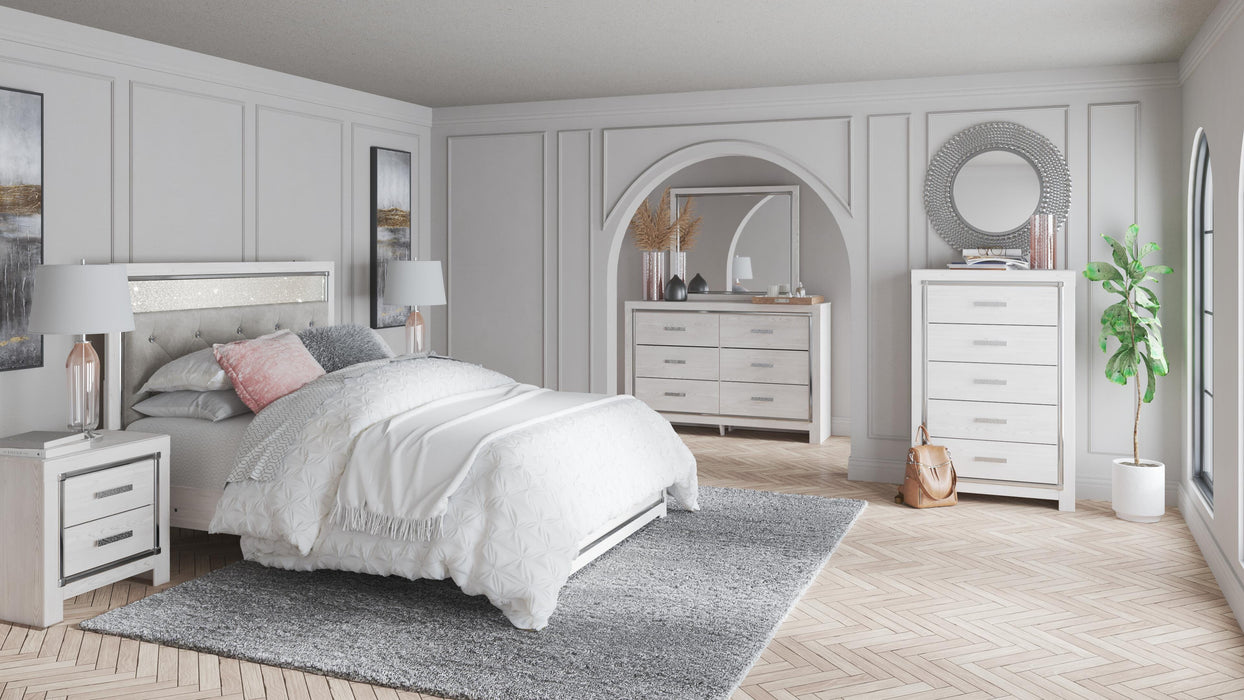
Learning how to select bedroom furniture that supports organization starts with one idea: every piece should earn its place. The bed, dressers, bedside tables, wardrobes, and storage furniture you choose should make daily routines easier while keeping the entire room calm and usable.
Key Takeaways
-
The fastest path to a clutter-free bedroom is choosing bedroom furniture that combines style with storage, especially a smart bed frame, dressers, bedside tables, and wardrobes.
-
Measuring your room’s exact dimensions, including door swings and drawer clearances, is essential to ensure that furniture can function without blocking walkways.
-
Aim for 24-30 inches of clear walking space around the bed and in front of dressers or closets to prevent the room from feeling cramped and awkward to navigate.
-
Multi-functional furniture with built-in storage compartments is the most effective choice for keeping a bedroom organized.
-
This guide includes 5 example images to help you visualize organized layouts for beds, wardrobes, dressers, nightstands, and clutter hotspots.
Understand Your Bedroom and Clutter Hotspots
Organization begins before buying any new bedroom furniture. If you skip the audit, you may buy extra storage space that does not solve the real problem.
Track clutter for 5–7 days. Look for the chair pile, floor stacks, overflowing bedside tables, crowded dresser tops, and closet space that no longer closes properly. Then run this quick audit:
-
Measure the room’s length, width, and ceiling height.
-
List storage categories: clothes, bedding, tech, hobby gear, shoes, bags, and out-of-season clothing.
-
Note which category creates the most visible mess.
Before purchasing new furniture, take measurements of the room’s length, width, and ceiling height, and note any obstructions like door swings or sloping ceilings that reduce usable height.
Also, define the room’s role. Is it only a sleeping space, or does it also function as a work area, nursery, guest room, or studio corner beside a dining room setup? The answer determines whether you need separate furniture or double-duty pieces.

Choose a Bed Frame That Works as a Storage Anchor
The bed occupies the most floor space, making it the prime target for maximizing storage. The bed is the centerpiece of any bedroom and sets the tone for the entire room, influencing how the space feels.
There are three main bed frame options:
|
Bed type |
Best for |
Watch out for |
|---|---|---|
|
Standard frame |
Flexible under-bed storage solutions |
Needs 10–12 inches of clearance for low storage bins |
|
Beds with built-in drawers |
Daily-use clothing, linens, and bed storage |
Under-bed drawers need side clearance |
|
Lift-up storage beds |
Duvets, suitcases, and seasonal items |
Less convenient for daily access |
Storage beds can turn the largest surface in the room into hidden storage for items like duvets, suitcases, and out-of-season clothing, making them a smart choice for maximizing bedroom storage. Hydraulic lift beds allow the entire mattress to rise, revealing hidden storage compartments.
A simple rule: leave at least 24–30 inches of breathing room around the bed where possible. For a standard frame, choose 10–12 inches of under-bed clearance if you want storage bins to slide in easily.
Built-in drawers are great for frequent access, but they need space to open. Lift-up storage is better for bulky items you access less often. In smaller bedrooms, a storage bed may replace an extra dresser and save precious floor space.
In 2026, 68% of new bedroom furniture collections are expected to include lift mechanisms or modular storage systems as standard features, reflecting a trend towards storage-first furniture. That shift makes sense: the right bedroom furniture now works harder without making the room look crowded.

Plan Hanging Space, Wardrobes, and Tall Storage
Enough hanging space prevents clothes from migrating to chairs, floors, and door backs. Wardrobes or armoires are perfect for homes with limited closet space, offering organized storage for hanging clothes and accessories.
Tall wardrobes maximize vertical space from floor to ceiling, providing organized storage for hanging clothes, folded items, and accessories, which is essential in bedrooms with limited space. Add freestanding furniture when an older home, rental, or shared bedroom lacks enough built-in closet space.
A useful starting point is:
-
60% hanging space
-
40% shelves, baskets, and drawers
Adjust that split if you own more dresses, suits, folded knits, or athletic clothes. Use double hang rods for shirts and pants, single-hang sections for coats and dresses, and overhead shelves for rarely used pieces.
Look for wardrobes with adjustable shelves, pull-out drawers, shoe racks, and closed storage. Leave at least 24 inches in front of wardrobe doors. If hinged doors crowd the room, sliding doors protect the walking space.

Select Dressers and Beds That Support Daily Habits
Dressers and chests of drawers are essential for keeping clothing and accessories organized, providing practical storage solutions. Beds, dressers, and chests handle folded clothes, sleepwear, accessories, and spare linens, so they are key to keeping surfaces clear.
Choose a low, wide dresser if you have wall space under a window or across from the bed. Low dressers are usually around 30–36 inches tall. Choose a tall chest if you need vertical storage in a narrow area; tall chests are often 48–56 inches high.
Consolidating several small pieces into one or two well-planned furniture pieces reduces visual clutter and wasted space. It also leaves more valuable floor space open.
When arranging bedroom furniture, start with the largest pieces, such as the bed and dresser, and ensure they enhance the flow of the room rather than clog it up. A well-designed bedroom layout should leave at least 24-30 inches of walking space around the bed and in front of dressers or closets to prevent the room from feeling cramped and awkward to navigate.
Organize drawers by access:
-
Top shallow drawers: socks, jewelry, chargers, accessories, and tech
-
Middle drawers: t-shirts, workout gear, sleepwear
-
Lower deep drawers: sweaters, spare linens, and bulkier bedding
Use shelf dividers, trays, and drawer dividers before buying more storage furniture.

Design Bedside Tables and Bedside Storage for a Calm Night Zone
Nightstands are vital for adding convenience and style to your bedroom, providing a place for essentials like lamps, alarm clocks, and books. But without storage, they quickly become clutter magnets.
Choose bedside tables roughly level with the mattress top. Allow 18–24 inches of width per table for most queen beds, and go wider beside a king bed so the proportions feel balanced. An upholstered bed, for example, can look underscaled if paired with tiny nightstands.
The best bedside pieces include:
-
At least one drawer for hidden storage
-
An open shelf for books or a basket
-
Cable cutouts or channels for chargers
-
Enough top space for table lamps, water, and alarm clocks
Floating nightstands keep the floor completely open and reduce dust accumulation. They also work well in smaller bedrooms where floor space is limited.
In shared rooms, each person should have their own space. One side might need a drawer-heavy nightstand, while the other can use a wall-mounted shelf. The goal is visual balance, not identical furniture.

Use Double Duty Furniture for Extra Bedroom Storage
Double-duty furniture keeps a simple floor plan while adding bedroom storage. Multi-purpose furniture, such as storage beds or bedside tables with drawers, adds functionality without compromising style, especially in smaller bedrooms.
Good options include:
-
A storage bench at the foot of the bed
-
Ottomans with hidden compartments
-
Desks that double as vanities
-
Consoles that work as media storage and dressers
-
Multifunctional furniture that combines seating, display space, and storage capacity
Selecting items that serve dual purposes can enhance functionality in small spaces, such as storage benches or ottomans that provide seating and hidden compartments for extra blankets or pillows.
In a studio, a small table can shift between dining, work, and folding laundry. Meanwhile, bedroom storage pieces should keep the sleeping area calm and the space organized.
Leave at least 24 inches between an end-of-bed storage bench and the opposite wall or dresser. If the room is tight, prioritize one high-impact piece first, such as a lift-up bed or bench with concealed storage.
Maximize Wall and Built-In Storage Without Losing Breathing Room
Walls offer major potential, but too much overhead cabinetry can make a cozy bedroom feel boxed in. The goal is smart storage, not a wall of furniture.
Using wall-mounted shelving can effectively utilize vertical space in bedrooms, allowing for storage and display without taking up floor area, which is especially beneficial in small rooms.
Try:
-
Wall-mounted shelves above a dresser
-
Built-in shelves in alcoves
-
Headboards with built-in storage
-
Peg rails for bags, hats, and robes
-
Slim shelving units between wardrobes
Keep floating shelves around 8–10 inches deep for books, small bins, and decor. Deeper shelves can feel bulky.
Wall-mounted storage walls can work in a larger room, but leave visible wall sections for breathing room. Built-in storage around the bed should still allow natural light to move through the room. The same applies to built-in drawers and cabinetry: useful storage should not erase the openness of the bedroom space.
If you want to maximize vertical space without adding bulk, use narrow wall storage, hooks, and modular storage systems instead of another floor cabinet.
Keep Layout, Light, and Future Needs in Mind When Shopping
Choosing the right bedroom furniture requires balancing storage capacity with the room’s physical dimensions. Layout, light, and future needs should guide every purchase.
Start with a simple floor plan. Mark doors, windows, sockets, radiators, closet openings, and any awkward corners. This is where the room’s exact dimensions matter most.
Positioning the bed in a commanding position, where it can be seen from the door without being directly in line with it, enhances the sense of security and comfort in the bedroom. Then place wardrobes, dressers, and bedside tables around that anchor.
Avoid these common mistakes:
-
Buying oversized wardrobes that block doors
-
Forgetting drawer and wardrobe door clearances
-
Adding too many small pieces instead of one efficient unit
-
Blocking natural light with tall storage furniture
-
Buying complete bedroom sets before testing the layout
Multi-purpose furniture, such as storage beds and nightstands with drawers, helps maximize space in smaller bedrooms by combining style with storage capacity.
In 2026, 68% of new bedroom furniture collections are expected to include lift mechanisms or modular storage systems as standard features, reflecting a trend towards storage-first furniture. That does not mean you need every new feature. It means that storage furniture is becoming the default because modern rooms need flexibility.
If your dream bedroom may later become a shared room, remote-work zone, or guest room, choose freestanding furniture, modular pieces, and adjustable interiors that can move with you.
FAQ: Bedroom Furniture for Better Organization
This section answers practical questions about how to select bedroom furniture that supports organization without repeating the basics.
How do I prioritize bedroom furniture purchases on a small budget?
Start with the bed frame because it uses the most floor space and offers the biggest storage opportunity. If possible, choose a frame with built-in storage or under-bed storage solutions, then add one main dresser or wardrobe that handles most clothing.
Before buying accent pieces, upgrade the inside of what you already own with dividers, hooks, storage bins, and baskets. Postpone extra chairs, benches, and decor until the core organized storage is working.
What bedroom furniture should I choose if I’m renting and can’t add built-in storage?
Choose freestanding wardrobes, tall bookcases, storage beds, and modular storage systems that can move to a future home. Removable hooks and over-door hangers can add extra hanging space without drilling.
Neutral finishes and simple silhouettes make bedroom furniture collections easier to reuse in different layouts. Avoid heavy permanent installations unless your lease allows them.
How can I keep a shared bedroom organized for two people?
Create clear zones: separate wardrobe sections, individual bedside tables, and dedicated drawers for each person. Shared surfaces, like the dresser top or storage bench, should have simple rules so they do not become drop zones.
Use symmetry when possible. If one person needs more storage, balance the look with matching finishes, similar heights, or coordinated lamps.
Is it better to add more storage furniture or declutter first?
Declutter first. New bedroom furniture should fit your real needs, not temporary overflow.
Aim to keep 10–20% of wardrobe and dresser space empty. When every drawer is full, even well-designed furniture will overflow into the room.
How do I mix existing heirloom pieces with new, organization-focused furniture?
Let the heirloom, such as a vintage dresser, act as a focal point. Then choose simpler new wardrobes, bedside tables, or bed dressers that quietly add hidden storage.
Tie the old and new together with color, hardware, textiles, or repeated wood tones. If the heirloom lacks storage capacity, let new furniture provide the organized storage the room needs.
Selecting bedroom furniture for organization is not about filling every corner. It is about measuring first, choosing fewer pieces that work harder, and keeping enough open space for the room to feel restful. Start with your floor plan, solve the biggest clutter hotspot, and build from there.
Buy Bedroom Furniture at Curly's Furniture

Buy bedroom furniture at Curly's Furniture and create a comfortable retreat that reflects your personal style and supports restful living. Whether you're furnishing a master bedroom, guest room, or a growing family's space, our collection offers quality pieces designed to combine beauty, functionality, and lasting comfort.
Get your bedroom furniture at Curly's Furniture today and explore a wide selection of beds, dressers, nightstands, and storage solutions crafted to enhance your space. With designs ranging from classic to contemporary, you'll find everything you need to build a bedroom that feels relaxing, organized, and inviting.