
How to Select Outdoor Furniture That Fits Your Patio Space
Key Takeways
-
Before buying patio furniture, consider how you’ll use your space, as your furniture choices should align with the primary function of your outdoor area.
-
Measure the exact length and width of your usable patio area before purchasing outdoor furniture, then leave at least 2 to 3 feet of clearance for walkways.
-
Choosing the right material for outdoor furniture is crucial, as it affects the furniture’s lifespan, maintenance needs, and resistance to weather elements.
-
Folding, stackable, and dual-purpose furniture pieces help small patios, balconies, and compact outdoor space layouts feel larger.
-
Plan furniture covers, cushion care, and off-season storage from day one to improve durability.
Introduction: Turning Any Patio into a Comfortable Outdoor Room
The best outdoor furniture does more than fill a patio. It makes your outdoor area easier to use for outdoor meals, reading, entertaining, and quiet evenings in the backyard.
This guide explains how to select outdoor furniture that fits patio spaces of all sizes, from narrow balconies to larger decks with sectional sofas, lounge chairs, outdoor rugs, and a fire pit.

Decide How You’ll Use Your Outdoor Space First
Make a list of activities you want to do in your outdoor space to guide your patio furniture selection, ensuring it meets your needs for dining, lounging, or entertaining. Pick the top two: daily dining, weekend lounge time, hosting, or a reading corner.
Common zones include:
-
A dining area with patio dining sets, dining sets, chairs, and a table
-
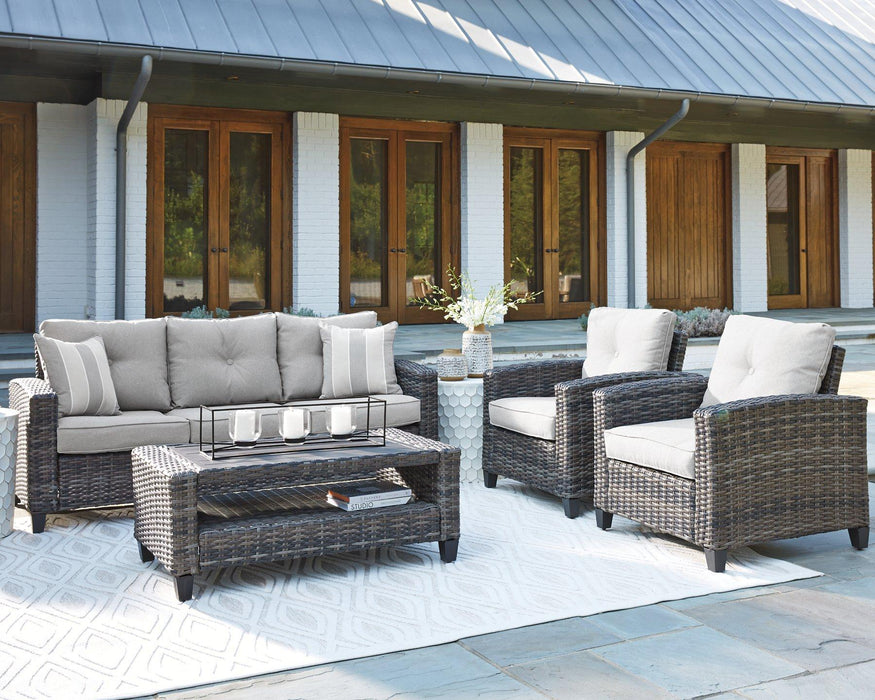
A lounge area with sofas, lounge chairs, plush cushions, and accent tables
-
A conversation space around a fire pit
-
A flexible work or coffee spot with bistro sets
Create distinct zones in larger outdoor spaces to enhance functionality and flow. Choosing dual-purpose patio furniture can maximize your space and budget, allowing for more room for outdoor activities while reducing the need for additional pieces. For example, look for dual-purpose patio furniture to maximize space, such as ottomans that can serve as extra seating or benches that can be used for dining.
Measure Your Patio and Match Furniture Size to the Space
Measuring your outdoor space accurately is crucial to ensure that the furniture fits comfortably without overcrowding. Measure length, width, usable corners, door swings, stairs, grills, posts, and fixed storage.
When measuring your space, sketch a rough layout of your patio and mark where furniture could go, leaving enough room for movement and accessibility. Select furniture that fits your specific patio dimensions while leaving at least 2 to 3 feet of clearance for walkways.
Use these quick rules:
|
Area |
Recommended clearance |
|---|---|
|
Main walkways |
30–36 inches |
|
Around furniture clusters |
At least 3 feet of open space |
|
Between furniture pieces |
At least 24 to 30 inches |
|
Between the seats and the coffee table or the fire pit |
18–24 inches |
Leave at least 3 feet of open space around furniture clusters to ensure traffic paths are clear. Maintain at least 24 to 30 inches between furniture pieces to ensure easy movement and comfortable traffic flow.
Petite bistro sets suit small spaces, while deep sofas and sectional sofas need wide patios. Painter’s tape helps you test the footprint before buying the right furniture.

Choosing Materials That Match Your Climate and Lifestyle
Well-constructed patio furniture made from durable materials like teak, aluminum, or weather-resistant wicker ensures longevity and withstands various weather conditions. Materials like teak, aluminum, and weather-resistant wicker are known for their durability and ability to withstand various weather conditions, making them ideal choices for outdoor furniture.
High-quality outdoor furniture can last 10–15 years or more with proper care, especially when made from durable materials that resist rust and weather damage. High-quality patio furniture can last 10–15 years or more with proper care, making it a worthwhile investment for outdoor enjoyment. Investing in quality patio furniture enhances the beauty of your outdoor space while providing comfort, functionality, and longevity.
Choose by climate:
-
Aluminum: lightweight, rust-resistant, and excellent for humid climates.
-
Powder-coated aluminum or stainless steel: select these for rust resistance in humid climates.
-
Wood furniture: opt for teak, ipe, or eucalyptus for natural wood that resists rot.
-
Teak outdoor furniture: durable, classic, and long-lasting; high-quality hardwoods like teak require seasonal oiling to maintain their color and longevity in all climates.
-
Synthetic wicker: comfortable and light; use high-density polyethylene (HDPE) wicker for low-maintenance weather resistance.
-
Wrought iron: heavy and stable, but it needs coating checks to prevent rust.
In wet and humid climates, lightweight aluminum or synthetic resin wicker is ideal due to its rust resistance. For hot and sunny climates, avoid dark metal frames to prevent overheating. For coastal or windy areas, heavier chairs or low-profile pieces stay put better.
For the table surface, glass shows fingerprints, stone is heavy, ceramic resists heat well, and composite is often water-resistant and easier to maintain.

Comfort, Cushions, and Ergonomics
Comfortable furniture is more likely to be used, so it’s important to test the seating before committing, looking for ergonomically shaped frames and thick cushions with weather-resistant fabric.
A general guideline for seat height is 17-19 inches for standard dining chairs, while lounge seating should be around 14-16 inches to ensure comfort. When testing patio chairs, look for proper seat depth (15-24 inches depending on chair style), appropriate seat height (17-19 inches for standard dining, 24-26 inches for counter height, 14-16 inches for lounging), lumbar back support that follows your spine’s natural curve, and armrests that align with your relaxed elbows (typically 7-9 inches above seat).
For outdoor cushions, choose quick-dry foam, removable covers, straps, and durable fabrics. Ensure cushions are made from solution-dyed acrylics to prevent sun fading. Mix thick cushions on seats with slimmer back cushions so they dry faster after rain.
Style, Color, and Coordinating With Your Home
The right patio furniture should feel connected to your home’s architecture. Sleek designs are characterized by clean lines, monochromatic palettes, and low profiles, often using materials like powder-coated aluminum and stainless steel.
Traditional designs often feature ornate details and curved frames, typically made from wrought iron or cast aluminum. Rustic spaces work well with teak wood, teak chairs, wicker, and natural textures.
Use neutral frames and main cushions, then change accent pieces seasonally: outdoor rugs, pillows, lanterns, and small accent tables. Match finishes to fencing, deck stain, siding, or nearby landscaping so the outdoor space feels intentional.
Smart Solutions for Small Patios and Compact Outdoor Spaces
Small patios need furniture that works hard. Choosing furniture with slim profiles can help maximize limited outdoor space, making it feel more open and accessible.
Good compact options include:
-
Folding bistro sets
-
Stackable chairs
-
Narrow benches with built-in storage
-
Balcony rail tables
-
Separate pieces instead of one oversized sofa
-
Ottomans that become seats, side tables, or footrests
Folding or stackable furniture is ideal for small patios, allowing for easy storage when not in use and freeing up space for other activities.
Layering Extras: Outdoor Rugs, Fire Pits, and Lighting
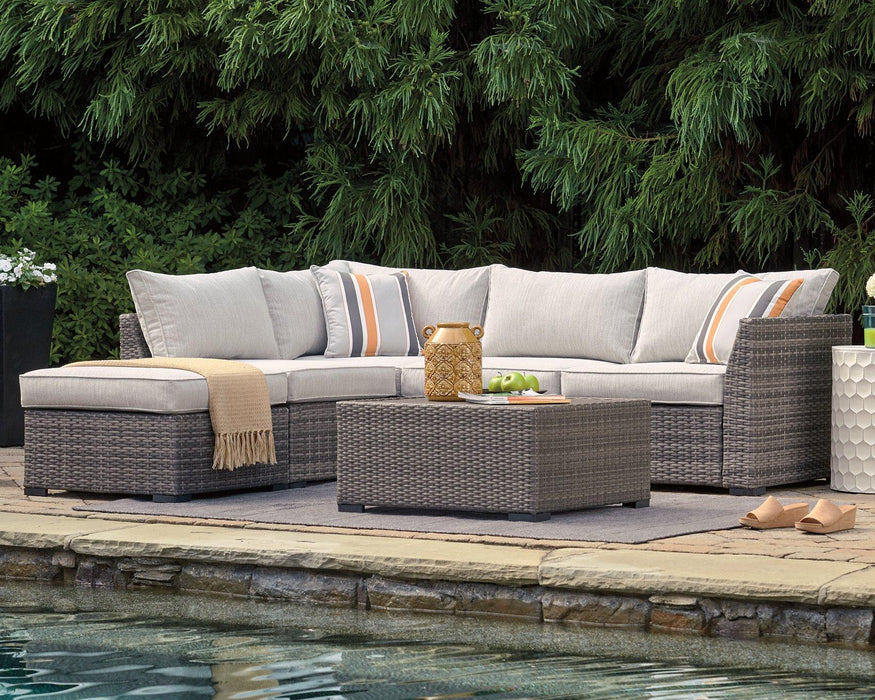
Accessories make an outdoor room feel finished without crowding the plan. Adding outdoor rugs can enhance comfort by providing a soft underfoot experience and can tie the outdoor space together with color and texture.
Choose quick-drying outdoor rugs sized so the front legs of chairs or sofas sit on the rug. Keep safe spacing around a fire pit, especially on decks. Add string lights, lanterns, solar path lights, umbrellas, or shade sails to make the patio more useful during warmer months.
Planning for Protection, Maintenance, and Storage
Even durable outdoor use furniture needs maintenance. Use breathable furniture covers during heavy rain or winter, and clean frames with mild soap, water, and a soft brush.
Storing patio furniture in a protected location during the off-season, such as a garage or shed, can significantly extend its lifespan by preventing damage from the elements. To protect patio furniture during winter, it’s recommended to ensure it is completely dry, elevate it off the ground, and use breathable covers if left outside.
Outdoor cushions should be cleaned at least twice a year, once before storing them in the fall and again before using them in the spring, to prevent mildew and fading. Store cushions indoors, in a deck box, or in a dry garage.

Visual Guide: Example Layouts for Different Patio Sizes
For a compact balcony, use a folding bistro set, a narrow rug, vertical plants, and one small table. Keep the door clear.
For a medium patio, use a 4–6 person dining table, two lounge chairs, an outdoor rug, and accent tables. Leave more room between zones than you think you need.
For a larger deck, place sectional sofas around a fire pit, then create a separate dining zone. Keep the main traffic path open from the house to the yard.
Image Suggestions for This Article
The five images above show:
-
A balanced medium patio with dining and lounge zones.
-
Correctly scaled furniture versus overcrowding.
-
Durable materials for outdoor weather.
-
A small balcony solution.
-
Off-season protection and storage.
Conclusion: Choosing Patio Furniture You’ll Actually Use
The best patio setup fits your space, your climate, and the way you actually live. Start with function, measure carefully, choose durable materials, test comfort, and plan protection before the first storm or winter freeze.
Treat your patio as an extension of your home, not leftover space. With the right furniture plan, even a small outdoor area can become a place to dine, relax, and gather often.
FAQs
How much patio furniture can I realistically fit in a small space?
Start with one main zone. In very small patios or balconies, that usually means one bistro set or two compact lounge chairs with a tiny table. Avoid placing chairs behind doors, and keep at least 30 inches open for movement.
Can I mix different outdoor furniture materials and styles?
Yes. A wood table with metal chairs can work if the color palette, cushion fabric, or rug pattern ties everything together. Let one style dominate, then use the other as an accent.
How do I keep outdoor cushions from getting moldy or musty?
Choose quick-dry foam and breathable, water-resistant covers. Stand cushions on edge after rain, let them dry fully before covering, and clean them with mild soap before storage.
Is it necessary to anchor or secure patio furniture in windy areas?
Yes, especially on rooftops, balconies, and open yards. Use heavier pieces, umbrella weights, sectional clips, and cushions with ties or straps.
What’s the best way to budget for a new patio setup?
Spend first on the frame pieces you use most: the main dining set, lounge seats, or sofa. Add rugs, pillows, decor, and extra chairs later, or shop late summer for better pricing.
Get Outdoor Furniture at Curly's Furniture Today

Enhance your outdoor living space when you get outdoor furniture at Curly's Furniture today. The right outdoor furniture helps create a comfortable and inviting area for relaxing, entertaining guests, or enjoying meals with family outside. Whether you are looking for patio sets, outdoor dining tables, lounge chairs, conversation sets, or porch seating, quality furniture adds both style and durability to your outdoor space.
Now is the perfect time to upgrade your patio, deck, or backyard with furniture built for everyday comfort and outdoor enjoyment. Get outdoor furniture at Curly's Furniture today and create an outdoor space that is functional, welcoming, and ready for every season.