
Why Sectionals Help Create Better Gathering Areas

A living room should feel like an invitation, not a waiting room. Yet in many homes, scattered chairs and separate sofas create awkward gaps where conversations fall flat, and guests hover at the edges. The solution sits in plain sight: a sectional sofa. This single piece of furniture has quietly revolutionized how families and friends come together, turning average living rooms into genuine gathering hubs.
Sectional sofas create better gathering areas by acting as a cohesive, high-capacity anchor that fosters social interaction, improves room flow, and maximizes seating comfort. Whether you’re hosting a packed holiday celebration or enjoying a quiet Tuesday evening, the right sectional changes everything about how people use your living space.
Key Takeaways
-
Sectionals turn living rooms into true gathering hubs by combining ample seating, clear sightlines, and cozy proximity in one cohesive shape, replacing the scattered feel of traditional sofas and chairs.
-
L-shaped and modular sectionals naturally support conversation, game nights, and movie nights by keeping everyone facing each other and the focal point of the room.
-
Replacing multiple chairs and sofas with a single sectional declutters the living area, improves traffic flow, and makes it easier for people to move, mingle, and join the group.
-
Modular sectionals let you reconfigure your living space over the years as your family grows or your entertaining style changes.
-
Well-chosen sectionals add modern aesthetic appeal and become the visual anchor of the living room while still feeling inviting and relaxed for everyday use.
How Sectionals Change the Way People Gather
Picture a Saturday evening in 2026: six friends gathered for game night, sprawled across one continuous seating area, everyone within arm’s reach of the snack bowl on the coffee table. Nobody’s perched on a dining chair dragged in from the other room. Nobody’s stuck in a back-row armchair, straining to hear the conversation. This is what a sectional makes possible.
Unlike traditional sofas arranged with separate chairs, a sectional sofa pulls people into proximity. The connected, wraparound design naturally brings people closer, creating a warm, intimate, and inviting atmosphere that scattered furniture simply cannot match. Research from interior design analysis shows that fragmented seating reduces average group dwell time by about 22% during casual visits, and people drift away faster when they feel disconnected from the group.
In an average-sized living room of around 12 by 16 feet, a well-chosen sectional can comfortably host five to seven people without the room feeling cramped. The continuous cushioned surface eliminates the “front row versus back row” hierarchy that plagues sofa-and-chair setups. Everyone becomes part of the same conversation circle. Guests shift positions naturally, tuck their legs underneath them, or stretch out on the chaise lounge without disrupting the gathering. Sectional sofas promote social interaction by allowing multiple people to gather in one space, enhancing the hosting experience for everyone involved.
Creating a Better Focal Point for the Living Room
Every gathering area needs a focal point, whether that’s a wall-mounted TV, a gas fireplace, or a floor-to-ceiling window. The furniture arrangement should orbit this anchor, ensuring everyone shares the same visual experience during movie nights or lazy Sunday mornings.
L-shaped sectionals and U-shaped sectionals naturally orient seating toward a shared focal point. Instead of some guests facing the TV head-on while others crane their necks from side chairs, a sectional positions 80-90% of seats at comfortable viewing angles. For optimal comfort during screen time, aim for 8-12 feet between your seating and a 65-inch TV, close enough for immersion, far enough to avoid eye strain.
A well-placed sectional can draw the eye and create a sense of balance, serving as a striking central feature in the living room. The sectional creates visual weight that anchors the entire living area, allowing floating pieces like accent chairs, ottomans, and side tables to remain clearly secondary. Layer the arrangement with a large area rug extending 24-30 inches beyond the sectional edges, center a rectangular coffee table, and you’ve created the instant social heart of any modern living space.
Image 1: Sectional Oriented to a TV Focal Point

This mid-sized living room (approximately 13 by 18 feet) demonstrates how an L-shaped sectional facing the TV creates an ideal gathering zone. The 9-by-12-foot rug anchors the arrangement while clean lines highlight the sectional’s modern aesthetic appeal. Notice how the family naturally clusters together, no one relegated to a distant chair.
How Sectionals Encourage Conversation and Connection
Good gathering areas make eye contact effortless and conversation natural. Nobody should need to shout across the room or twist awkwardly to see who’s speaking.
The L-shape or U-shape of sectionals encourages a conversation circle where guests face each other, ensuring no one feels left out. Research from ergonomic studies suggests that 120-degree seating angles optimize eye contact and vocal projection, reducing the need to raise voices in group settings. A sectional naturally forms these angles at its corners, creating ideal spots for dyads and triads to chat while remaining audible to everyone else.
Consider a 2026 birthday gathering: six friends around one sectional with a central coffee table, each person able to reach their drink without standing. The corner seat becomes prime real estate for the host. The chaise end works perfectly for someone who wants to lounge while still participating. Semi-private zones emerge organically, a couple chatting in one corner, kids playing a tablet game on the chaise, all under one welcoming umbrella.
Keep a small side table at arm’s reach near the sectional ends so guests feel comfortable lingering without cluttering the main coffee table.
L-Shaped Sectionals for Everyday Gatherings
L-shaped sectionals dominate living rooms between 11 and 15 feet wide for good reason. They provide ample seating while maintaining open entry points that invite people to sit down without disrupting the whole group.
Position one side of the L along a wall, the other floating slightly into the room to create clear pathways. L-shaped sectionals work especially well in rectangular living rooms, creating a natural corner for seating while leaving the rest of the room open for movement. Positioning an L-shaped sectional with its back facing a hallway can direct traffic along the outside edge of the seating area, improving flow throughout the space.
A standard three-seat sofa plus chaise configuration comfortably seats four adults and two kids for casual evenings. L-shaped sectionals can enhance seating capacity without taking up too much floor space, fitting neatly into corners and providing room for socializing. Avoid overloading the arrangement with too many throw pillows or bulky side tables; the gathering area should feel open and easy to join.
Maximizing Ample Seating Without Overcrowding the Living Space
There’s a difference between “lots of seats” and “usable, comfortable seating.” A room stuffed with mismatched chairs might technically seat eight people, but it won’t feel welcoming.
Sectionals can replace multiple separate pieces of furniture, simplifying movement through the room and reducing visual clutter, which enhances the overall flow of the space. Using sectionals can reduce visual clutter by consolidating seating into one large piece, helping create a more open appearance. Sectional sofas can comfortably seat more people than traditional sofas, making them ideal for larger gatherings.
Consider the numbers: a 110 by 88 inch sectional occupies roughly 80 square feet but yields 25-30 linear feet of seating. Compare that to a 90-inch sofa plus two 32-inch accent chairs, which total about 95 square feet with gaps, yet offer less seating capacity. The sectional actually leaves more open floor space in most room layouts.
For comfortable circulation, maintain these spacing guidelines:
|
Zone |
Recommended Clearance |
|---|---|
|
Sectional to coffee table |
18 inches |
|
Walkways around the perimeter |
30-36 inches |
|
Behind the floating sectional |
12-18 inches minimum |
Good room flow means maintaining primary pathways around 30-36 inches wide to ensure intuitive movement without obstacles. When you frequently entertain guests, this streamlined layout means hosting 8-10 people without dragging chairs from the dining room.
Image 2: Before-and-After Seating Layout

This scaled comparison reveals how the same room gains approximately 20% more open floor area when a sectional replaces separate pieces. Traffic flow arrows demonstrate easier movement around the gathering area.
Supporting Different Types of Gatherings in One Living Room
Modern family spaces host everything from quiet reading time to crowded holiday parties. The gathering area must flex easily between these extremes.
Modular sectionals consist of individual pieces that can be reconfigured as your needs change, allowing for flexibility in room layouts and traffic flow. Detach a chaise to create a daybed corner during book club. Add an armless module for holiday overflow seating. Modular sectionals can be rearranged to fit specific gathering needs, allowing for custom configurations that suit the moment.
Built-in recliners create premium anchor seats that family members gravitate toward during long winter 2026 game nights. Thoughtful placement of ottomans or movable stools around the sectional lets the space transition between intimate conversations and large-group seating within minutes.
Movie Nights and Game Days
Sectionals excel at shared screen experiences. The extended seating along the longer side gives everyone clear sightlines to the TV, while the chaise or corner seat lets someone stretch out without blocking views.
A large central coffee table can enhance social utility by acting as a hub for drinks and games when paired with a sectional. Place a tray on a large ottoman to transform it into both a footrest and snack surface. Deep seats and soft cushions keep people comfortable through three-hour movies or doubleheader game days.
A small console table behind the sectional keeps remotes, chargers, and extra seating snacks accessible without cluttering the main coffee table.
Casual Drop-Ins and Everyday Use
Sectionals make welcoming unplanned guests effortless. Neighbors stopping by or kids’ friends after school can simply join the seating area without anyone hunting for extra chairs.
The corner seat often becomes a favorite reading spot or laptop nook, making the gathering area useful even when only one person is home. Keep at least one open side around the sectional so visitors can sit without asking everyone to shuffle.
Picture a typical weekday evening: one person scrolling a tablet, another streaming a show, kids building blocks on the rug, all within the same cozy family room, connected by the sectional’s embrace.
Blending Comfort, Style, and Modern Aesthetic Appeal
Contemporary sectionals balance generous comfort with a clean design that suits most living areas. Gone are the bulky, overstuffed monsters of decades past.
Sleek lines in sectional design contribute to a modern and sophisticated look, making them visually appealing in contemporary interiors. Design details that make a sectional feel lighter include slim arms (4-6 inches wide), raised legs (4-7 inches), and low backrests (30-34 inches). These features reduce visual weight by approximately 25% compared to traditional bulky styles.
Fabric and color choices influence the mood of your gathering area dramatically. Choosing the right color for a sectional can dramatically influence the ambiance of a living space, making it feel more inviting or spacious. Neutrals create calm foundations for an inviting atmosphere, while darker tones set a cozy environment for movie nights. Accent pillows add personality without overwhelming the sectional design.
Choosing Shapes and Features for Your Living Area
Match your sectional shape to your room size:
|
Room Size |
Recommended Shape |
|---|---|
|
Medium (11-15 feet wide) |
L-shaped sectional |
|
Large open plans |
U-shaped sectionals |
|
Smaller living rooms |
Compact modular sectionals |
U-shaped sectionals are ideal for larger rooms, providing ample seating and accommodating more people comfortably during gatherings. For tight spaces or smaller spaces, a smaller sectional with a reversible chaise offers flexibility without overwhelming the room.
Built-in recliners provide exceptional comfort for long lounging but require extra clearance; plan for 6-8 inches in front of reclining seats. Measure ceiling height, window placement, and traffic routes before deciding on arm style and chaise placement. Sketch or tape footprints on the floor before purchase to visualize how the perfect sectional will function in your space.
Image 3: Modern Sectional as Design Anchor
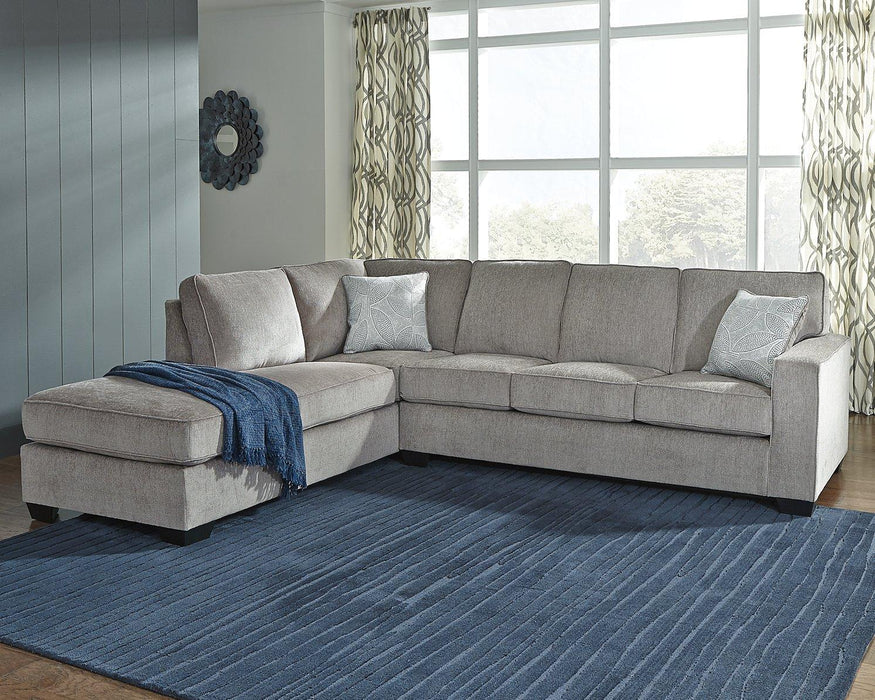
This arrangement demonstrates how a sectional frame's architectural features while maintaining a relaxed, refined atmosphere. Raised legs and a low back keep the whole room feeling open and airy.
Adapting Sectionals to Different Room Sizes and Layouts
Sectional sofas can be configured in various shapes, such as L-shaped, U-shaped, and chaise lounges, making them adaptable to different room layouts and changing needs. The same concept works in studios, suburban cozy family room spaces, and great rooms with careful consideration of proportions.
Small and Medium Living Rooms
For smaller living rooms and small living spaces, choose a sectional with slim arms and a chaise rather than a full U shape. Compact L-shaped or reversible chaise sectionals transform limited floor space by tucking into corners while still delivering comfortable seating.
Leave 8-12 inches between the sectional’s back and the wall to make the room feel larger. Nesting tables or a small round coffee table keep the center open for kids’ play or yoga. A 10-by-14-foot apartment living area can accommodate a compact sectional along one wall, seating four comfortably in dead space that would otherwise go unused.
Sectionals can function like a soft wall, clearly separating walkways from lounge zones without blocking natural light, critical in smaller rooms where every square foot matters.
Large and Open-Plan Living Spaces
In large or open-plan rooms, a sectional acts as a natural room divider, creating a distinct, cozy social zone without the need for walls. A large sectional (10-12 feet on the long side) anchors the space and prevents furniture from feeling scattered.
Sectionals can define or separate seating areas in open-concept layouts, creating a distinct living zone while maintaining an airy feel. Float the sectional away from the walls with a console table behind it; this creates an intimate seating area within the open floor plan. The back of the sectional defines the edge of the living area without closing off light or views to the kitchen and dining zones.
Use an oversized rug to visually contain the sectional and coffee table, reinforcing the primary gathering zone. A 2026 new-build great room can comfortably host 8-10 people for holidays when anchored by a generously sized sectional.
Image 4: Sectional in an Open-Plan Layout

This layout shows how the sectional’s back faces the dining area, creating a subtle room divider while maintaining easy circulation. The different room layouts possible in open spaces benefit from this zoning approach.
Comfort Features That Keep People Gathered Longer
Comfortable seating ultimately determines how long people stay in a gathering area. A study on cushion density found that optimal support (around 2.2-2.5 lb/ft³ foam) correlates with 40% longer occupancy times.
Deep seats (24-28 inches) support cross-legged lounging. Generous corner sections let people shift positions without bumping neighbors. A chaise lounge enables afternoon naps during lazy weekends. These features transform the formal living room into a space people actually want to inhabit.
Built-in recliners and chaises work beautifully for long evenings. Position them away from main walkways so extended footrests don’t block traffic flow. Performance fabrics withstand heavy use from kids and pets, while smooth leather offers easier cleanup after parties with food and drinks.
Image 5: Close-Up on Comfort Details

Real comfort shows in the details: slightly rumpled cushions, a half-extended recliner, the warm glow of evening lighting. This is where people want to linger.
FAQ: Sectionals and Better Gathering Areas
These questions address practical concerns about sectionals as gathering-area solutions, covering maintenance, flexibility, and styling decisions.
Are sectionals or multiple sofas better for frequent entertaining?
For most households hosting casual gatherings, game nights, birthday parties, and regular family visits, a single well-sized sectional usually offers more usable seating in one zone. Two sofas or a sofa and loveseat combination can suit a very formal living room entertaining, but they create separate clusters. Sectionals offer unique advantages by keeping everyone in one shared conversation circle.
If you frequently entertain guests and want a relaxed, communal feel where people can join in easily, a sectional typically works better. Adding one small accent chair across from the sectional rounds out seating for especially large groups.
How do I know if my living room is big enough for a sectional?
Most living rooms, at least 11 by 13 feet, can fit a compact L-shaped sectional. Rooms under 10 feet wide may work better with standard sofas and a chair. Tape out the full footprint (including chaise length) on the floor and verify you maintain 30-36 inches for main walkways and 18 inches around the coffee table.
If doors or windows are blocked, or people must turn sideways behind the sectional, consider a smaller sectional. Room size matters, but prioritize comfortable movement over maximizing seat count.
Can sectionals work in multi-use living spaces?
Sectionals are often ideal for multi-use rooms because they clearly define the lounging zone, leaving the remaining floor space flexible. Modular sofas let you detach or rearrange pieces when you need more space for kids’ play or temporary home office setups.
Pair the sectional with storage compartments in ottomans so toys, work supplies, and blankets tuck away quickly. Low-backed, slim-armed sectionals help multi-purpose spaces feel open rather than dominated by furniture, important when incorporating additional furniture for different activities.
What’s the best way to keep a sectional looking good with heavy use?
Maintaining a sectional sofa requires more effort due to its numerous components and larger size, leading to a greater need for regular upkeep. Multiple cushions and sections can hold onto dirt and allergens, making them harder to clean compared to traditional sofas. Different upholstery materials may require unique cleaning methods, so check care instructions before purchasing.
Choose durable, easy-clean fabrics or treated leathers from the start. Vacuum crevices weekly, rotate cushions every few weeks, and spot-clean spills immediately. Washable throws on high-traffic seats protect during parties with food and drinks. Save space on the coffee table by keeping it uncluttered. This helps the entire gathering area look tidy and welcoming.
Should my sectional match the rest of my furniture?
Either approach works. A neutral sectional with colorful accents creates a calm base and serves as a central decorative element, while a bolder color turns the sectional into the room’s focal point. Coordinate undertones (warm or cool) with existing pieces so the seating area feels intentional.
Let the sectional and rug work together as the anchor, with accent chairs and tables chosen to complement rather than compete. Comfort and room shape fit matter more than perfect matching; a well-placed sectional naturally becomes the heart of any living space.
The right sectional transforms your living room from a place to sit into a place where memories happen. Start by measuring your space, taping out potential footprints, and prioritizing both comfort and traffic flow. When the sectional fits the room and suits how you actually live, gathering becomes effortless, and your living area finally works the way it should.
Buy Sectional Sofa Furniture at Curly's Furniture Today

Upgrade your home with comfort and versatility when you buy sectional sofa furniture at Curly's Furniture today. A sectional sofa is an excellent choice for creating a spacious and inviting living area where family and friends can relax, entertain, and spend quality time together. Whether you need a sectional for a large family room, a cozy apartment, or an open-concept living space, the right furniture offers both style and everyday functionality.
Now is the perfect time to enhance your living room with seating that fits your lifestyle. Buy sectional sofa furniture at Curly's Furniture today and create a comfortable, stylish, and welcoming space you'll enjoy for years to come.