
When Updating Dining Furniture Improves Mealtime Comfort

Between 2020 and 2024, millions of households rediscovered their dining rooms. With more meals eaten at home than ever before, families quickly realised that their existing dining furniture wasn’t built for daily use. That creaky chair and wobbly table suddenly mattered a lot more when dinner became the highlight of the day.
Why Updating Dining Furniture Transforms Everyday Meals
The shift toward eating at home exposed a common problem: outdated, uncomfortable dining room furniture that families had tolerated for years without much thought. When the dinner table became the centre of family life, every squeaky joint and hard seat became impossible to ignore.
Uncomfortable tables and chairs are one of the main reasons families rush through meals or migrate to the sofa with plates balanced on laps. When sitting feels like a chore, nobody wants to linger. Children fidget, adults shift constantly, and what should be a moment of connection becomes something everyone wants to end quickly. The dining space transforms from a gathering place into a room people actively avoid.
Updating dining furniture can immediately improve posture, physical comfort, and how long everyone actually wants to stay around the table. The changes don’t need to be dramatic. Often, it comes down to specific elements: table height that allows arms to rest naturally, chair cushioning that supports rather than flattens, a table shape that fits the room properly, and construction sturdy enough to eliminate wobble and creaking.
This article breaks down exactly when it makes sense to replace or upgrade your dining set. You’ll learn the concrete signs that your current furniture is hurting mealtime comfort, understand the ergonomic principles behind comfortable seating, and discover how to choose quality dining room furniture that transforms everyday meals into something the whole family looks forward to.
Thoughtful furniture choices can significantly influence comfort and family behavior, promoting better eating habits and creating a supportive environment for all ages, especially in multi-generational or multifunctional dining spaces.

Signs Your Current Dining Furniture Is Hurting Mealtime Comfort
Discomfort from furniture tends to build slowly over the years. The seat that felt fine when you bought it gradually compresses. The table that seemed sturdy develops a subtle wobble. Because these changes happen incrementally, most people don’t realise their furniture is the problem. They assume they’re just not “dinner table people” or that their family prefers casual meals.
One of the clearest signs is when family members consistently leave the table within ten to fifteen minutes. If everyone scatters the moment the last bite is taken, uncomfortable chairs are often the culprit. Watch for complaints about numb legs or a backache after dinner. These aren’t signs of getting older; they’re signs that your dining chairs lack proper back support and adequate seat depth.
Physical symptoms extend beyond soreness. Chairs that squeak or wobble create low-level anxiety that makes people eat faster without realizing it. Knees hitting the underside of the table force awkward sitting positions that strain the lower back. When children consistently choose to eat on the sofa or at the kitchen counter instead of the dining area, they’re voting with their feet against uncomfortable seating.
Visual wear often correlates directly with comfort decline. Flattened seat pads that have lost their resilience, sagging upholstery that no longer provides support, chipped table edges that catch sleeves, and peeling veneer on armrests all indicate furniture that has passed its comfortable lifespan. These aren’t just aesthetic issues; they represent structural failures that affect how the furniture feels to use.
Multi-use dining tables present their own challenges. When the same surface serves for laptops, homework, craft projects, and daily meals, the table can become cluttered and scratched in ways that make mealtimes feel chaotic. A table not designed for this kind of versatile use often ends up too small for comfortable dining or develops surface damage that makes it unpleasant to rest arms on.
If any of this sounds familiar, an update is likely overdue. The good news is that understanding what went wrong helps you choose replacement furniture that genuinely improves your dining experience for years to come.
How Updated Dining Tables and Chairs Improve Comfort
Updating furniture isn’t primarily about aesthetics, though that matters too. The real benefit is tangible physical comfort, the kind that makes you want to pour another cup of tea and keep talking instead of immediately clearing plates.
Modern dining furniture incorporates ergonomic principles that older designs often ignored. The ideal table height sits around 73 to 76 centimetres, with seat height at approximately 45 to 48 centimetres. This creates 25 to 30 centimetres of clearance between the seat and tabletop, allowing thighs to rest comfortably without knees pressing up against the underside of the table.
Updated chair designs feature contoured backs that follow the natural curve of the spine, built-in lumbar support, and slightly reclined angles of 100 to 110 degrees. This combination reduces back tension significantly compared to the straight-backed chairs common in older dining sets. The result is a relaxed, upright posture that feels natural rather than forced, encouraging longer meals without the fidgeting that comes from physical discomfort.
Cushioning makes an enormous difference. High-density foam, resilient webbing, or pocketed springs prevent the “bottoming out” that happens with flat wooden seats or cheap padding. Quality dining room furniture maintains its supportive feel over years of daily use, while budget options compress within months. Padded seats extend comfortable sitting time considerably, making the difference between rushed eating and relaxed dining.
Construction quality translates directly to comfort in ways people often overlook. Heavier bases, cross-bracing, and reinforced joints eliminate wobble and distracting movement during meals. When you don’t have to subconsciously compensate for an unstable chair or a table that rocks when someone cuts their food, the entire meal feels calmer. Stable tables and supportive chairs create an environment where the focus stays on conversation and food rather than furniture frustration.
1. Chair Comfort: From Rushed Eating to Relaxed Dining
Chair quality is the single biggest factor in how long people want to stay at the table. When sitting becomes uncomfortable after ten minutes, even the best meal feels rushed.
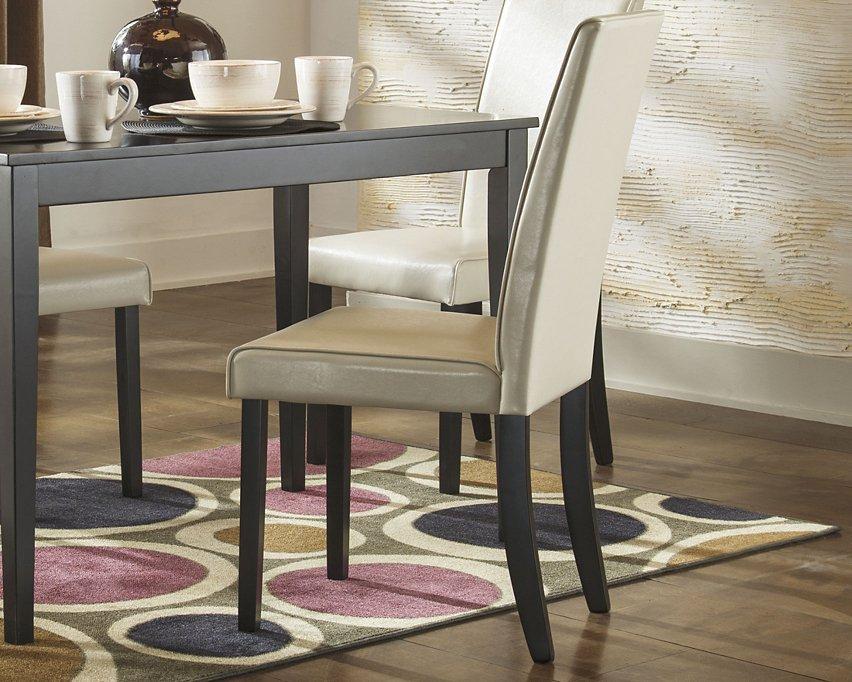
Common older chairs feature straight, hard backs, thin foam that compressed years ago, and no lumbar curve whatsoever. Compare these with updated options featuring shaped backs that cradle the mid-spine, supportive padding that maintains thickness over time, and breathable fabrics that don’t trap heat. The difference in sitting experience is immediate and dramatic.
Upholstered dining chairs typically extend comfortable sitting time by around ten to fifteen minutes compared with bare wood or metal seats. This might not sound like much, but it’s the difference between a meal that ends when the food is gone and one that naturally extends into conversation, a second glass of wine, or helping children with reading practice before clearing up.
Practical dimensions matter as much as cushioning. Seat depth should measure around 40 to 45 centimetres for most adults, supporting the thighs without the seat edge pressing into the back of the knees. The width of approximately 45 to 50 centimetres ensures people don’t feel cramped, especially during longer meals or when wearing winter clothing. Backs should reach mid-shoulder height to provide support without restricting movement.
Consider a common scenario: a family replaces their ten-year-old wooden dining set with padded, mid-back, comfortable chairs. Within weeks, weeknight dinners stretch from the usual fifteen minutes to thirty or more. The children stop asking to be excused immediately. Weekend family meals become genuine gatherings rather than obligations. This transformation happens purely because sitting no longer feels like endurance.
2. Table Stability, Size, and the Feel of the Meal
A new table can transform the entire feel of a dining room and reduce subtle stress at mealtimes that people rarely consciously notice.
A stable, heavier table with solid legs or a central pedestal eliminates wobble and clattering crockery. When glasses don’t tremble every time someone reaches for the salt, when plates stay put as food is cut, the entire atmosphere calms. Unstable tables create a low-level tension that makes people eat faster without realizing why. Upgrading to a solid, well-constructed dinner table removes this background stress entirely.
Sizing guidelines help prevent the cramped conditions that make meals uncomfortable. Without adequate clearance, the layout feels cramped, making it difficult to move around and increasing congestion. Allow approximately 60 centimetres of width per person to prevent elbow-bumping and plate crowding. Plan for at least 90 centimetres of clearance around the table so guests can pull chairs out comfortably without scraping walls or colliding with other furniture. These measurements ensure the layout feels spacious rather than cramped.
Upgrading to a larger or better-proportioned table supports relaxed posture and calmer conversation flow. When everyone has adequate space for serving dishes, water glasses, and their own plate without constant rearrangement, meals feel leisurely rather than logistically challenging. The table surface becomes an inviting space rather than a crowded obstacle course.
The tactile quality of the table matters more than most people realise. Smooth, rounded edges feel safe to rest arms against. Warm-to-the-touch wood or ceramic surfaces feel more inviting than cold metal or plastic. Matte finishes that don’t show every fingerprint reduce visual clutter and make the space feel clean and welcoming. These details contribute to an inviting atmosphere that makes people want to linger over morning coffee or stay for dessert.
When It’s Time to Update: Practical Triggers for a Dining Room Furniture Refresh
Timing matters with furniture updates. Replacing too early wastes money on pieces that still have years of service left. Waiting too long means months or years of reduced daily quality of life and missed opportunities for meaningful family connection.
Moving to a new home or shifting from a small flat to a larger house often reveals that existing furniture doesn’t suit the new dining space. A table that worked in a compact apartment may look lost in a proper dining room, while chairs scaled for tight spaces may lack the presence and comfort appropriate for a larger setting. These transitions are natural moments to assess whether your current dining set still serves your needs.
Family growth triggers furniture updates more than almost any other factor. Households that expanded from two to four or more between 2019 and 2024 often find their original dining furniture increasingly inadequate. A table for two becomes impossibly cramped for four. Children reaching school age need a proper table for homework and daily family meals, not just quick breakfasts grabbed standing up. These changes in family life demand furniture that supports new routines.
Welcoming older relatives for regular Sunday meals or holiday gatherings highlights seating limitations that might not affect younger family members. Older adults often need more supportive seating with firm cushioning and higher backs. If grandparents consistently decline dinner invitations or leave early, uncomfortable chairs may be contributing.
Physical deterioration reaches a point where repair no longer makes sense. Loose joints despite repeated tightening, cracked seats, uneven legs, and finishes that can no longer be cleaned properly all indicate furniture has reached the end of its functional life. These issues compound over time, and continuing to use deteriorating pieces means tolerating preventable daily discomfort.
Style-age affects comfort in ways that aren’t purely aesthetic. Dark, bulky mid-2000s dining sets can make rooms feel cramped and oppressive, contributing to a sense of heaviness that discourages use. Lighter, slimmer modern designs visually and physically open the space, making the dining area feel more welcoming. When a room feels cramped, people spend less time there.
Perhaps the clearest indicator is behavioural: if most meals are taken at the coffee table or kitchen counter because the dining set is actively avoided, an update would immediately improve comfort and increase how often the proper dining area gets used for its intended purpose.

Choosing New Dining Furniture for Maximum Comfortable Seating and Mealtime Comfort
Comfort-first decisions still allow for stylish choices, but function should lead form. A beautiful dining set that nobody wants to sit in is a failed purchase regardless of how impressive it looks in the showroom.
Start with measurements before looking at any furniture selection options. Measure your room’s length and width, note existing walkway clearances, and count how many people regularly eat together. Two people need different furniture from six. Occasional hosts need different solutions than those who entertain every weekend. These numbers prevent expensive mistakes and ensure your new furniture creates the welcoming atmosphere you’re aiming for.
Match the table shape to the room shape for the most comfortable fit. Rectangular tables work well in narrow rooms, maximising seating capacity while maintaining traffic flow. Round tables work beautifully in roughly square rooms, promoting natural conversation and eliminating corner collisions. Square tables suit square rooms and smaller gatherings. Extendable tables serve homes that host occasionally, providing everyday dining convenience with expansion capacity for special occasions and formal dinners.
Chair selection deserves particular attention. Test sit whenever possible. Check that your thighs are fully supported without the seat edge pressing uncomfortably into the backs of your knees. Ensure your feet rest flat on the floor; dangling legs create hip strain over time. Confirm that the back provides support at the right height without restricting shoulder movement. Armless chairs offer easier access and flexibility, while those with arms provide additional support for rising.
Material choices affect real-life comfort over the years of daily meals. Wipeable finishes handle spills without staining. Stain-resistant fabrics make upholstered chairs practical for households with children. Easy to clean surfaces cope with hot serving dishes and daily cleaning without deteriorating. These practical considerations ensure your investment continues delivering comfort rather than becoming a source of stress and maintenance frustration.

1. Tailoring Furniture to How You Really Use the Space
Mealtime comfort depends on matching furniture to actual routines, not idealised ones. The dining room design you imagine rarely matches how your household actually functions.
Couples in small city apartments who mostly eat everyday meals together and occasionally host two friends need compact solutions. A round table seating four comfortably, paired with slim chairs that don’t overwhelm the space, provides adequate everyday dining capacity without sacrificing the living spaces to oversized furniture. The space works for intimate dinners and modest entertaining without feeling empty or overcrowded in either scenario.
Families with school-age children face different demands. The table serves breakfast before school, becomes homework central from 4 to 6 pm, then transforms into the dinner table for family meals. This multi-use pattern demands robust surfaces that handle markers and textbooks alongside plates and cutlery. Extendable tables with durable finishes serve this lifestyle far better than delicate pieces designed for occasional use.
People working from home who use a dining chair as a day-long work seat require more ergonomic seating than typical dining furniture provides. If your dining table doubles as a desk, ergonomic chairs with proper lumbar support, adequate cushioning, and comfortable armrests become essential rather than optional. This reality differs dramatically from the household where dining chairs are occupied only during meals.
Updating with these patterns in mind prevents the new set from becoming uncomfortable or underused within months. Furniture that matches actual daily routines continues delivering comfort year after year, while pieces chosen for imagined lifestyles often disappoint.
2. Balancing Aesthetics with Everyday Ease
Visually appealing furniture contributes to psychological comfort, but it must still be easy to live with during everyday dining. A dining room that looks magazine-worthy but causes constant anxiety about spills and stains doesn’t actually improve mealtime comfort.
Very pale fabrics and easily marked finishes look beautiful in showrooms but create stress in real family settings. Newer performance upholstery offers a middle path, soft textures that look luxurious yet wipe clean after the inevitable pasta sauce accident. Upholstered seating in practical fabrics reduces tension during daily meals with children, supporting a relaxed atmosphere rather than vigilance.
Colour and finish choices affect how calm and inviting the dining area feels. Warm woods, soft neutrals, and matte textures that don’t show every fingerprint create environments that feel welcoming rather than fussy. These choices support mindful eating and genuine family bonding by removing visual distractions and maintenance anxiety from the meal.
Updated designs with slimmer legs, rounded corners, and lighter silhouettes make rooms feel more spacious. Bulky furniture can make even large rooms feel oppressive, while thoughtfully proportioned pieces let the space breathe. This visual openness translates into psychological comfort; people feel more relaxed in spaces that don’t crowd them.
Choosing pieces that suit existing floors, walls, and soft lighting creates cohesion that calms rather than stimulates. A dining set that clashes with its surroundings creates subtle visual tension. One that harmonises and supports the aesthetic appeal of the entire room while remaining thoroughly practical for daily use. This balance between beauty and functionality is what separates quality furniture from furniture that merely looks good in photographs.
Supporting Different Ages and Needs with Updated Furniture
Comfort isn’t one-size-fits-all. A chair perfectly suited to a thirty-five-year-old may be entirely wrong for a seven-year-old or a seventy-five-year-old. Updated dining sets can accommodate this reality, making meals comfortable for everyone who gathers around the table.
Young children need stability above all. Chairs that tip easily create safety hazards and anxiety for parents watching nervously. Rounded table corners reduce the inevitable bumps that come from children’s unpredictable movements. Seating arrangement options that include appropriate-height chairs or secure booster cushions bring children to a comfortable level relative to the table surface, preventing the slouching and awkward reaching that make mealtimes frustrating for small bodies.
Older adults often need different support entirely. Firm but adequately cushioned seats make sitting and rising easier than either rock-hard or overly soft options. Supportive high or mid-height backs allow relaxation without the effort of maintaining posture unaided. Sturdy frames that don’t twist or flex when someone pushes against them to stand provide crucial stability for those with reduced mobility or balance concerns.
People with back issues or mobility challenges benefit from specific adaptations. Slightly higher seat heights reduce the effort required to sit and stand. Armrests provide support during transitions. Adequate clearance between chairs allows walkers or canes to be positioned nearby. These considerations, built into furniture selection from the start, prevent physical discomfort and ensure everyone can participate fully in family meals.
Consider a typical weekend gathering where three generations share Sunday lunch. Updated chairs with proper back support allow grandparents to stay comfortable for the full meal rather than needing to excuse themselves early. Safer table edges reduce parents’ anxiety about toddlers. Adults enjoy ergonomic seating that supports extended conversation after the food is finished. Everyone benefits from furniture that acknowledges their different needs.
1. Safety, Stability, and Peace of Mind at the Table
Physical safety and emotional comfort connect directly. When furniture feels secure and predictable, everyone relaxes. When it wobbles, tips, or poses hazards, low-level tension pervades even pleasant meals.
Upgrading from lightweight, tip-prone chairs to more substantial, well-balanced designs eliminates one of the most common sources of dining room anxiety. Children learning to sit properly, elderly guests using chair arms for support, and energetic family members shifting position all test furniture stability. Chairs that pass these tests without wobbling or threatening to tip create peace of mind that enhances social interaction.
Stable tables with broad bases and properly anchored legs prevent the spills and clatters that interrupt meals and create stress. When children lean on the table, or when older guests steady themselves against it while standing, the table should remain completely solid. This reliability removes the need for constant vigilance and correction that can make family meals feel like work.
Rounded table edges and smoothed corners minimise the bruises and scrapes that tight spaces produce. When friends gather around a table, chair backs bump table edges, children move unpredictably, and adults navigate between seats. Furniture designed with these realities in mind reduces minor injuries that can turn a pleasant gathering uncomfortable.
These safety improvements reduce background anxiety that most people don’t consciously recognise but definitely feel. When the furniture itself poses no problems, attention stays on conversation, food, and family connection. Weeknight dinners become genuinely relaxing. Birthday parties feel joyful rather than hazardous. The dining room becomes a space where memories are made without preventable mishaps.
The Role of Lighting in Mealtime Comfort
Lighting is one of the most powerful tools for transforming your dining room into a space where family members and friends genuinely want to gather. The right lighting doesn’t just illuminate your dining table and chairs; it sets the mood for every meal, from quick weekday breakfasts to formal dinners and special occasions. Thoughtful lighting choices can make your dining space feel more inviting, encourage longer meals, and even support healthier eating habits by fostering a relaxed atmosphere.
In dining room design, lighting works hand-in-hand with quality dining room furniture to create a welcoming atmosphere. Pendant lights or chandeliers suspended above the dinner table draw attention to the heart of the room, highlighting the beauty of your dining set and making serving dishes look even more appetizing. For rectangular tables, a linear fixture can provide even illumination across the entire table surface, while round tables work beautifully with a central pendant or soft chandelier that casts a warm, even glow around the table. Square tables and square rooms benefit from layered lighting, combining overhead fixtures with wall sconces or table lamps to ensure every seat enjoys comfortable lighting.
Soft lighting is especially important for everyday meals and family life. Overly bright or harsh lighting can make the dining area feel clinical, while warm hues and dimmable fixtures create a relaxed atmosphere that encourages conversation flow and mindful eating. Layered lighting, using a mix of overhead lights, table lamps, and even floor lamps, adds depth and flexibility, allowing you to adjust the ambiance for everything from morning coffee to evening family meals. Natural light is another key element; positioning your dining table near a window can make daily meals feel fresh and energizing, while sheer curtains help diffuse sunlight for a softer effect.
Lighting also plays a practical role in supporting comfortable seating and ergonomic dining. Well-placed lights ensure that upholstered dining chairs, padded seats, and supportive chairs are showcased, making the space feel more luxurious and inviting. Soft lighting can highlight the textures of table linens and the craftsmanship of quality furniture, enhancing the overall aesthetic appeal of your dining area. For open plan living spaces, lighting helps define the dining zone, making it distinct yet harmonious with the rest of your living spaces.
When planning your dining room lighting, consider how it interacts with furniture placement and storage furniture. Ample storage illuminated by accent lighting can make it easier to access table linens, serving dishes, and personal elements, keeping the table surface clear and the space feeling organized. For special occasions, adjustable lighting lets you shift from bright, functional light for serving to a softer, more intimate glow for lingering over dessert and conversation.
Ultimately, the combination of comfortable dining room furniture and thoughtful lighting creates a space where family bonding, social interaction, and longer meals happen naturally. Whether you’re enjoying daily family meals, hosting friends, or savoring a quiet moment around the table, the right lighting ensures your dining experience is always warm, welcoming, and memorable.
Making the Most of Your Updated Dining Furniture
Once new furniture arrives, a few simple habits maximise its comfort benefits and ensure your investment continues paying dividends through years of daily meals and special occasions.
Keep the table clear of non-meal clutter. A dining table buried under mail, laptops, and random household items sends a message that it’s not really for dining. Maintaining a clear table surface visually invites regular use and signals that mealtimes matter. This simple discipline transforms the dining area into a space that draws people in rather than one they work around.
Practical accessories protect your investment while maintaining comfort. Removable seat pads extend cushion life and can be cleaned independently. Floor protectors prevent scratches and reduce noise when chairs move. Table linens protect surfaces from heat and scratches while adding visual warmth. These additions don’t complicate daily use but significantly extend how long your furniture remains comfortable and attractive.
Occasional furniture placement adjustments optimise comfort as you learn how the new pieces work in your space. Positioning the table to capture natural light makes daytime meals more pleasant. Ensuring clear walkways prevents the frustration of a cramped layout. Orienting seating to connect visually with the kitchen makes serving and conversation more natural. Layered lighting allows different atmospheres for family meals versus intimate dinners.
Consider how storage furniture and adequate storage solutions near the dining area can reduce table clutter. Nearby storage for table linens, personal elements, candles, and serving accessories means everything needed for pleasant meals stays accessible without crowding the table itself. Ample storage keeps the dining area functional and inviting.
Updating dining furniture is one of the most direct, practical ways to improve mealtime comfort, strengthen family connection, and increase how often your dining room actually gets used. When chairs support a comfortable posture, tables provide stable surfaces, and the overall dining set suits your real lifestyle, healthier eating habits, and longer meals follow naturally. The investment pays returns at breakfast, lunch, dinner, and every moment when family members and friends gather to share food and conversation in a space designed to make that experience genuinely comfortable.
Get Your Dining Room Furniture at Curly’s Furniture Today

Your dining room should be ready for everyday meals and meaningful gatherings. At Curly’s Furniture, our dining room furniture collection includes tables, chairs, and complete sets designed to fit your space and lifestyle. Each piece is selected for durability, comfort, and practical use to help create a dining area that feels welcoming and functional.
Explore our dining room furniture selection today and find the perfect pieces for your home. Whether you’re updating your current dining space or furnishing a new one, Curly’s Furniture offers options that combine style, value, and everyday comfort.