
What Dining Furniture Makes Hosting Easier

There’s a moment every host knows too well: guests are arriving in twenty minutes, and you’re still wrestling with a card table, hunting for matching chairs, or wondering where you’ll put all the serving dishes. The truth is, the right furniture can eliminate most of that chaos before it starts.
This guide breaks down exactly what dining furniture makes hosting easier, from tables that expand on demand to storage pieces that keep everything within arm’s reach. Whether you’re preparing for a grand holiday feast or an intimate dinner with close friends, the goal is the same: furniture that works with you, not against you. We’ll focus on practical features like extension leaves, wipeable fabrics, storage drawers, and flexible seating rather than abstract decor ideas.
Think of this as a room-by-room checklist for turning your dining space into a place where hosting guests feels natural, even enjoyable.
The Dining Table: Your Hosting Command Center
The dining table isn’t just a centerpiece; it’s your primary tool for every gathering you’ll ever host. Where guests sit, how food gets served, and whether conversation keeps flowing all depend on the table you choose.
For most households that entertain occasionally, an extendable dining table with a self-storing leaf is the most practical option. It adapts to your guest list without requiring you to store bulky extra table sections in a closet or garage. You can seat four for Tuesday dinner and ten for Thanksgiving without owning two separate tables.
When selecting a table shape, consider how you typically host. Rectangular tables work beautifully for long spreads and buffet-style serving, allowing platters to line up down the center where everyone can reach them. Round tables and oval tables create more conversational atmospheres where everyone maintains eye contact easily, ideal for dinner parties focused on discussion rather than elaborate courses.
Sizing matters more than most people realize. Aim for at least 36 inches between the table edge and walls or other furniture. This clearance allows guests to pull out chairs, stand up, and move around without that awkward shuffling that disrupts the meal. A table that looks perfect in the showroom can feel cramped once eight people try to navigate around it.
For the surface itself, look for durable materials like solid wood or quality veneered hardwoods with protective finishes. These resist the inevitable spills, hot serving dishes, and frequent wiping that come with regular entertaining. Oak remains a popular choice for its durability and warm appearance, though many wood and metal combinations offer similar resilience with a more contemporary style.
Design details matter for functionality, too. Pedestal or trestle bases reduce leg interference, meaning guests don’t have to strategically position their knees around table legs. Rounded corners are safer in busy dining areas where people are carrying plates and glasses, and smooth edges feel more comfortable when guests rest their arms on the table during long conversations.
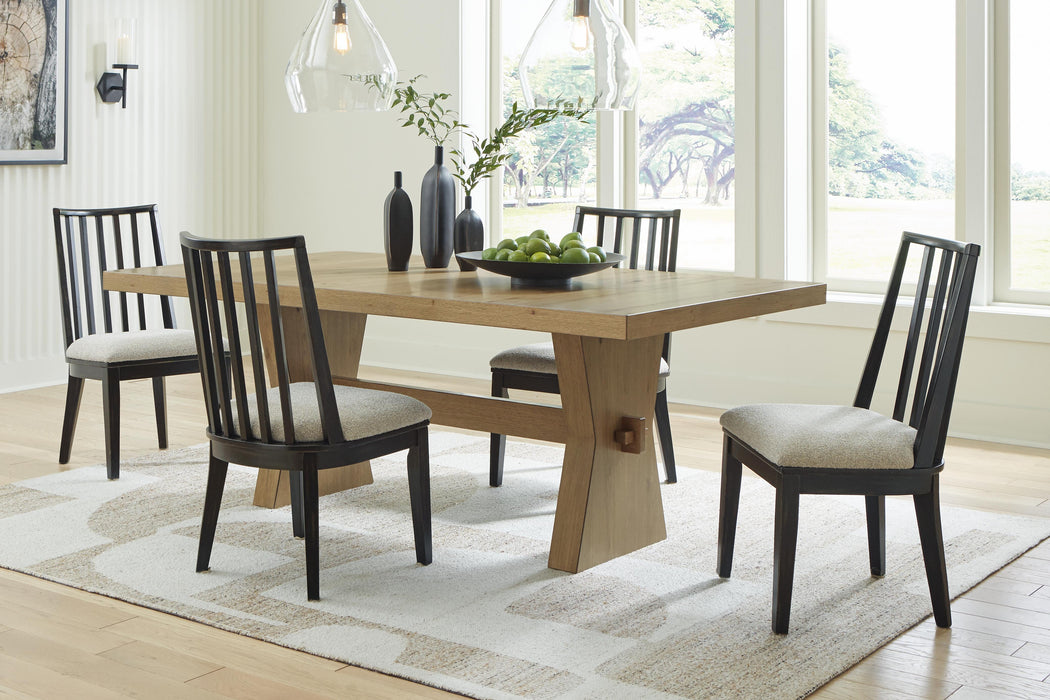
Extension Tables and Leaves: Seat More Guests on Demand
If you could only choose one hosting-friendly feature in a dining table, make it extendable. For small to medium homes where space comes at a premium, an extendable table is the single most helpful feature you can invest in.
Extension mechanisms come in several styles:
|
Extension Type |
How It Works |
Best For |
|---|---|---|
|
End leaves |
Additional sections attach to one or both ends |
Formal dining rooms with wall clearance |
|
Center leaves |
Table splits in the middle, leaf inserts between halves |
Most common; works in various room shapes |
|
Butterfly leaves |
Leaf folds and stores beneath the tabletop |
Quick setup, no separate storage needed |
|
Self-storing mechanisms |
Leaves slide out from within the table frame |
Small homes with limited storage |
To put this in practical terms: a 60-inch table that expands to 80 or 90 inches can comfortably move from seating 4-6 daily diners up to 8-10 guests for holiday feasts. That’s the difference between cramming family members at a card table and having everyone sit together for cherished memories around one table.
The hosting benefits are immediate. You eliminate the need for temporary folding tables that never quite match. Everyone sits together, which transforms the social dynamic of any gathering. Setup can typically be managed by one or two people in under a minute with well-designed mechanisms.
Before purchasing, test the extension mechanism if possible. Look for smooth sliding tracks, good alignment where the seams meet, and stability when fully extended. A wobbly table with a visible gap down the middle will undermine your confidence every time guests lean on the surface.
Choosing the Right Table Shape for Easy Hosting
Table shape directly affects conversation, serving style, and how easily people move around during a party. There’s no universally “best” shape. The right choice depends on your dining room dimensions, typical guest count, and how you like to serve food.
Rectangular tables are the standard for good reason:
-
Ideal for narrow or long rooms where a round table would block traffic
-
Easy to line up serving platters down the center
-
Simple to extend with additional leaves
-
Everyone faces the center, making passing dishes intuitive
Round tables create a different dining experience entirely:
-
Encourage conversation across the table since no guest sits at a “head.”
-
Remove sharp corners in tight spaces, reducing the risk of hip-level collisions
-
Works exceptionally well for 4-6 guests
-
Pedestal bases offer generous legroom for all seats
Oval tables offer a hybrid approach:
-
Good for walk-through circulation in busy dining areas
-
Generous surface for sharing dishes family-style
-
Softer, more elegant visual appearance than rectangles
-
Often underutilized despite excellent hosting functionality
For capacity planning, use these general guidelines:
|
Table Shape |
Dimensions |
Comfortable Seating |
|---|---|---|
|
Round |
48 inches in diameter |
4 guests |
|
Round |
54-60 inches in diameter |
Up to 6 guests |
|
Rectangular |
72 inches long |
6-8 guests |
|
Rectangular |
84-96 inches long |
8-10 guests (depending on chair size) |
Keep in mind that once a round table exceeds 60 inches in diameter, guests begin struggling to reach items in the center. The elegant intimacy of a round table can quickly become impractical for larger gatherings.
Dining Chairs: Comfort That Keeps Guests at the Table
Uncomfortable chairs are one of the main reasons people don’t linger after meals. Guests who are shifting in their seats and checking the time aren’t having a good experience, and neither is the host who notices.
Comfortable seating transforms a quick dinner into an evening that stretches pleasantly into late-night conversations and dessert. When shopping for dining chairs, prioritize supportive backs, adequately cushioned or padded seats, sturdy frames, and materials that clean easily after inevitable spills.
Consider mixing seating types to maximize flexibility. End chairs with arms (often called host chairs) create a more formal, anchored feeling at the table ends, while armless side chairs along the sides allow for closer spacing when you need to accommodate extra guests.
For ergonomic comfort, check these specifics:
-
Seat height should provide about 10-12 inches of legroom between the seat and the tabletop
-
Seat width should be adequate so guests aren’t shoulder-to-shoulder
-
Construction should feel stable enough for guests of all ages and sizes
A practical strategy for frequent hosts: keep 2-4 extra stackable or folding chairs stored in a nearby closet or mudroom. These can match or complement your main set and appear whenever your guest list unexpectedly grows.
Upholstered vs. Non-Upholstered Chairs for Entertaining
The upholstery question comes down to a tradeoff between plush comfort and easy cleanup.
Upholstered seating offers:
-
Softer feel for long, multi-course meals
-
More formal appearance that elevates special occasions
-
Comfort that encourages guests to stay for conversation, board games, or after-dinner drinks
-
Opportunity to add color, texture, and visual warmth to the room
Non-upholstered chairs (wood, metal, or molded materials) offer:
-
Easy wipe-down after spills, critical for families with children
-
Less worry about stains from red wine, tomato sauce, or dripping candles
-
Generally lower maintenance and longer-lasting appearance
-
Often lighter weight for easy rearranging
For hosts who want both comfort and practicality, consider performance fabrics or stain-resistant finishes. Many modern upholstery options can handle spills that would have destroyed chairs a decade ago. Removable slipcovers offer another solution; you can toss them in the wash after a particularly lively gathering.
A blended approach often works best: choose upholstered host chairs at the table ends where comfort and formality matter most, paired with simpler wood or molded side chairs along the sides. This balances comfort, cost, and cleanup speed while creating visual interest.
Benches and Flexible Seating: Squeezing In Extra Guests
A dining bench is a host’s secret weapon when guest counts suddenly increase. One long bench along a table side can seat 3-4 guests, where only 2-3 chairs might fit, especially useful for children or casual gatherings where a slightly cozier arrangement feels appropriate.

Backless benches offer additional seating flexibility since they slide fully under the table when not in use, freeing floor space for daily life. Your dining area doesn’t feel furniture-heavy when you’re not actively hosting.
Beyond benches, consider storing lightweight stools, ottomans, or stackable chairs in adjacent rooms. These can be pulled in quickly when extra seats are needed. Some hosts keep a pair of attractive stools tucked beside a kitchen island that can migrate to the dining table for larger parties.
For comfort during longer gatherings, add seat cushions to benches or ensure bench depth is adequate for adults to sit comfortably for an hour or two. A bench that looks elegant but leaves guests perched on the edge defeats the purpose.
Consider this practical layout: chairs on three sides of a rectangular table with a bench along one long side facing the room’s main view or window. This arrangement maximizes seating capacity while making serving easier since the bench side stays stationary during the meal.
Storage Pieces: Buffets, Sideboards, and Cabinets That Work for You
Smart storage furniture turns hosting chaos into a smooth routine. When serveware, table linens, and drink supplies live in organized, accessible places, you eliminate the last-minute scramble that makes entertaining feel stressful.
A buffet or sideboard along one wall serves double duty: daily storage below and a serving station on top during gatherings. You can stage desserts, set up a drink station, or keep serving platters warm while guests enjoy first courses at the table.
Store everyday hosting essentials, table linens, extra flatware, candles, trivets, and seasonal décor inside drawers and cabinets so tables can be set quickly. Knowing exactly where everything lives removes the mental load of searching through random kitchen drawers while guests are arriving.
Display cabinets or hutches add another layer of functionality. Glass doors let you showcase beautiful serving pieces and glassware while protecting them from dust. Interior lighting can make these pieces feel warm and inviting during evening gatherings.
When selecting storage furniture, choose pieces that are roughly the same visual scale as your table and chairs. An oversized buffet in a small dining room will make the space feel crowded, while a too-small sideboard looks awkward and doesn’t provide adequate function.
Using Buffets and Sideboards as Self-Serve Stations
Moving some food or drink service away from the main dining table gives guests more elbow room and reduces the constant passing of platters back and forth. This simple shift can make all the difference in how relaxed your gatherings feel.
Consider these real hosting setups:
Holiday dessert bar: Stage pies, cookies, and coffee service on a sideboard. Guests can help themselves between courses or after the main meal without anyone leaving the conversation for long.
Self-serve drink station: Arrange pitchers of water, wine carafes, and glasses on the buffet surface. Guests refill their own drinks without interrupting the host or other guests.
Weekend brunch spread: Set out pastries, fruit, and a coffee station on the sideboard while keeping the main table clear for place settings and hot dishes served family-style.
When choosing a buffet for serving purposes, look for a surface depth of at least 16 inches, enough to comfortably fit serving platters and drink dispensers without items hanging precariously over the edge.
A practical tip: keep a large serving tray permanently stationed on your sideboard. When guests arrive, you can quickly corral bottles, carafes, or stacked appetizer plates on this tray, creating an instant, organized station without additional setup.
Check that your buffet height aligns reasonably with your dining table and any adjacent window sills. This creates a cohesive visual line and ensures the serving surface is at a comfortable height for adults to serve themselves.
China Cabinets and Display Storage for Special Pieces
A china cabinet functions as both a storage workhorse and a display for heirloom dishes, glassware, and special serving pieces you’ve collected over the years. Done well, it becomes a visual centerpiece that adds elegance and art to your dining area.
Choose cabinets with a mix of glass doors and closed storage. Glass sections work beautifully for displaying your most attractive pieces, the crystal passed down from grandparents, the elegant serving platters received as wedding gifts, and the stylish glassware you reach for during celebrations. Closed lower cabinets hide less attractive but necessary items: bulky serving bowls, holiday-specific dishes, and the inevitable collection of rarely-used kitchen tools.
Interior lighting or mirrored backs can transform a cabinet from simple storage to a design feature. These elements make the room feel brighter and more inviting, especially during evening gatherings when the soft glow adds warmth to the space.
Organize shelves by function rather than aesthetics alone. Keep dessert plates together, serving bowls in one section, and wine glasses accessible. This organization makes setting the table faster when you’re hosting, you know exactly where to find what you need.
For protection during busy hosting seasons when cabinets get opened frequently, line shelves with felt or soft liners. This prevents chips from becoming delicate pieces and reduces the noise of items shifting.
Multi-Functional Pieces: Islands, Carts, and Drop-Leaf Tables
Not every home has a dedicated formal dining room, and even homes that do often need flexibility. Multi-purpose furniture creates hosting possibilities in spaces that might otherwise feel limiting.
A kitchen island with an adequate overhang can act as both a casual dining surface and a serving station. Paired with counter-height stools, it handles weeknight meals for the family and appetizer staging for parties. Many hosts find their guests naturally gather around the island anyway, working with this tendency rather than against it makes entertaining feel effortless.
Bar carts serve as mobile serving stations that handle beverages, appetizers, or coffee service and then roll back out of the way. They’re particularly valuable in open-plan living spaces where dedicated storage furniture might feel intrusive.
Drop-leaf or gateleg tables offer remarkable flexibility for small spaces. These pieces fold down against a wall for daily life, sometimes functioning as consoles or desk surfaces, then expand to seat 4-6 guests on special occasions.
For apartments or compact homes where layouts change frequently, prioritize furniture on casters or with lightweight construction. The ability to reconfigure your space quickly transforms hosting from a multi-day furniture-moving project into a thirty-minute setup.

Bar Carts and Drink Stations for Effortless Entertaining
Dedicating one small piece of furniture to drinks or bar supplies keeps guests from crowding the kitchen during parties. This simple separation improves traffic flow and gives guests a sense of self-sufficiency.
When selecting a bar cart, look for:
-
Rails or raised edges to keep bottles secure during movement
-
Multiple shelves for glasses, mixers, and bar tools
-
Sturdy casters that roll smoothly on both hard floors and rugs
-
A surface large enough to actually function during parties
Stock your cart with items that can stay out between gatherings: glasses in two or three sizes, a small ice bucket, a water carafe, and a few decorative items like candles or a small plant. This approach means the cart always looks intentional, not like temporary party staging.
During larger events, roll the cart near the dining table as a refill station. Guests can grab another glass of water or top off their wine without asking you to stop what you’re doing. After the party, roll it back to its corner. The cart stores drinks and bar tools, so cleanup simply means wheeling everything away.
Keep practical items in a drawer or basket on the cart: extra napkins, a bottle opener, coasters, and cocktail napkins. These small touches prevent the back-and-forth trips to the kitchen that fragment your attention during hosting.
Drop-Leaf and Space-Saving Tables for Small Homes
Drop-leaf tables allow a single piece to function as a console, desk, or small breakfast surface most days, then expand to host guests when needed. For studio apartments, open-plan living rooms, or multipurpose guest rooms, this flexibility is transformative.
Consider the space math: a narrow table measuring 12-18 inches deep can expand to 36-40 inches deep. That’s the difference between a hall table holding keys and mail and a proper dining surface for four to six guests. The furniture footprint stays minimal until you actually need the capacity.
When shopping for drop-leaf designs, check that the legs and support mechanisms don’t block where chairs need to slide in. Some designs leave awkward leg placement that looks fine in photos but proves frustrating in real use.
Pair these tables with stackable chairs stored in a closet or folded against a wall. The entire dining area can appear and disappear as needed, giving you back square footage for daily life while maintaining the ability to host an intimate dinner whenever the occasion arises.
Layout, Lighting, and Finishing Touches That Support Hosting
Even the best furniture fails if the layout feels cramped or the lighting is harsh. Arrangement and ambiance matter as much as the individual pieces you select.
Leave enough circulation space between the table, walls, and storage furniture, aiming for around 36 inches where possible. This clearance allows guests to stand, serve themselves from a buffet, and move to the restroom without that awkward squeeze behind occupied chairs that disrupts everyone’s meal.
Position sideboards or buffets along the least busy wall, keeping doorways clear for smooth flow from kitchen to table. You want the serving station accessible but not blocking the primary traffic path.
For overhead lighting, center a chandelier or pendant directly over the table, hung roughly 30-36 inches above the tabletop. A dimmer switch is worth the small investment; it allows you to adjust from bright task lighting during setup to warm ambient glow during the meal itself.
Layer your light sources beyond just the overhead fixture. Wall sconces provide gentle background illumination. Candles add warmth, movement, and an inviting quality that overhead lighting alone can’t achieve. This combination creates a flattering atmosphere for evening gatherings.
A few finishing touches make hosting smoother: washable table runners and placemats protect furniture finishes, protective pads under hot dishes prevent damage, and keeping decor simple leaves room for food to take center stage.

Planning a Host-Friendly Dining Room Layout
Think of your dining room in terms of traffic paths. Guests should be able to move from the kitchen to the table to the storage without squeezing behind chairs or asking seated guests to scoot in.
Before purchasing a large table or storage piece, measure your room and map furniture placement on paper. Painter’s tape on the floor can simulate a table footprint, helping you understand how the space will actually feel once furniture arrives.
Ideal placement typically follows this pattern:
-
Table centered under the main light fixture
-
Storage furniture along the longest wall or a wall adjacent to the kitchen
-
Bar cart in a corner, close enough to reach but out of the main pathway
-
Clear sightlines from the kitchen doorway to the dining table
For specific events, you can adjust layouts temporarily. Rotating the table slightly or removing one chair can create space for a buffet line along a sideboard. Some hosts keep a lightweight console table that can move against a wall or extend perpendicular to create additional serving surface.
Minimize visual clutter on permanent surfaces so there’s always “empty” space to receive serving dishes, gifts, or coats when guests arrive. A sideboard constantly covered with mail and keys won’t function as a serving station when you need it.
Conclusion: Invest in Furniture That Works as Hard as You Do
Hosting becomes easier when each piece of dining furniture has a clear job. The table adapts to your guest list. Seating keeps everyone comfortable through multiple courses and conversation. Storage and multi-functional pieces support serving, drinks, and cleanup without requiring you to run constantly to the kitchen.
If you host larger groups, even a few times a year, prioritize an extendable table above almost everything else. Add comfortable, easy-care chairs that can handle spills and long evenings. Include at least one good storage piece that doubles as a serving station. These three categories, table, seating, and storage, form the foundation of any host-friendly dining room.
Plan the room as a whole, considering furniture, layout, and lighting around how you actually entertain. Whether that’s weekly game nights with friends, casual family meals, or once-a-year holiday feasts, the right dining furniture transforms hosting from stressful to genuinely enjoyable. Good furniture doesn’t just fill your space; it helps you create the memories and gatherings that make a house feel like home.
Get Your Dining Room Furniture at Curly’s Furniture Today

Your dining room should be ready for everyday meals and meaningful gatherings. At Curly’s Furniture, our dining room furniture collection includes tables, chairs, and complete sets designed to fit your space and lifestyle. Each piece is selected for durability, comfort, and practical use to help create a dining area that feels welcoming and functional.
Explore our dining room furniture selection today and find the perfect pieces for your home. Whether you’re updating your current dining space or furnishing a new one, Curly’s Furniture offers options that combine style, value, and everyday comfort.