
What Outdoor Furniture Works Best for Entertaining Guests?
 The “best” outdoor furniture for entertaining guests depends entirely on how you actually use your space. Do you host weekly family dinners where everyone sits down together? Casual cocktail hours with appetizers scattered across side tables? Kids’ birthday parties that spill across every corner of the backyard? Your answers shape everything from table size to seating style.
For most hosts, the winning formula combines three elements: a dining set sized for your typical guest count, comfortable lounge seating that encourages guests to linger after the meal, and flexible extras like stools or benches that appear when the crowd grows. This mix covers weeknight dinners for four and holiday gatherings for fifteen without forcing you to own permanent seating for every possible scenario.
Whether you’re working with a small balcony, a townhome patio, or a sprawling backyard, this guide walks through concrete furniture types and configurations that work for each. No brand names, no vague styling advice, just practical guidance on materials, dimensions, and layouts that make outdoor entertaining effortless.
1. Choose the Right Layout for How You Host
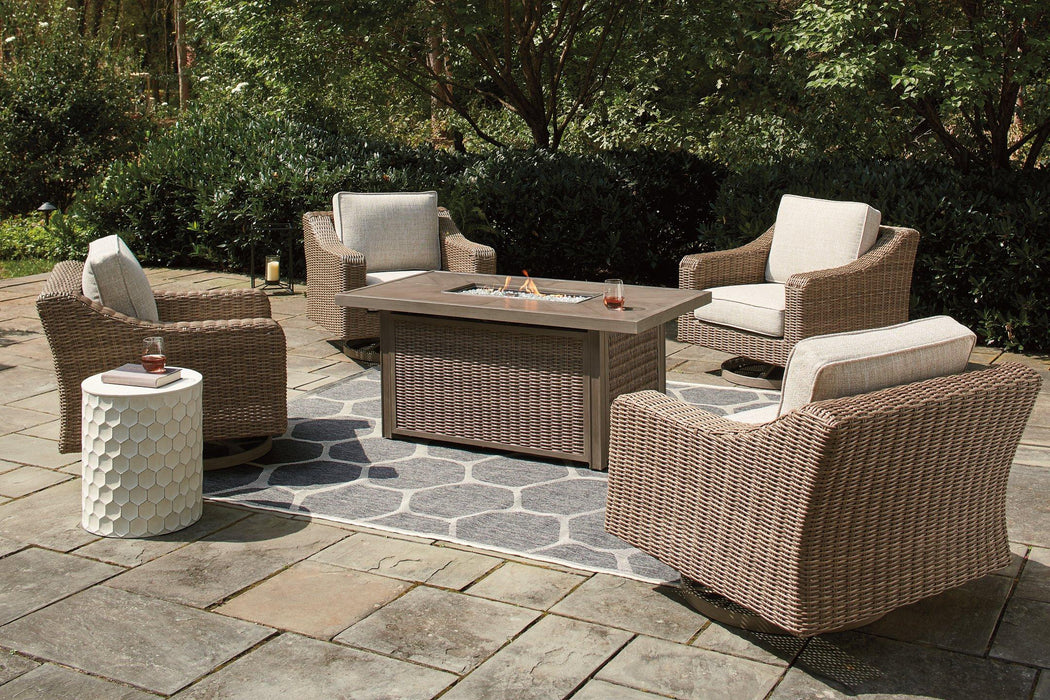
Before shopping for specific pieces, step back and think about how guests actually move through your outdoor space during a typical gathering. Layout decisions come first; furniture shopping follows.
Different hosting styles demand different arrangements. Here’s how to match your layout to your entertaining habits:
Weekly family dinners prioritize a larger dining table with 4–8 chairs positioned as the central focus. Place the table where it’s easy to shuttle food from the kitchen or grill. Everything else, lounge chairs, side tables, becomes secondary and can occupy the perimeter.
Cocktail and appetizer nights flip that priority. You need more lounge seating and side tables than a formal dining space. A small bistro table or bar-height counter replaces the large dining set, while sofas, club chairs, and ottomans take center stage.
Mixed-use parties require balance. Dedicate roughly equal square footage to dining, lounge, and standing areas. On a 12’ x 16’ patio, for example, place a 6-seat dining set near the house wall and a small loveseat with two chairs around a low table at the far end. Leave the middle open for circulation.
Regardless of hosting style, clear circulation paths matter. Guests should move between the grill, dining table, and seating areas without bumping into furniture or squeezing past chairs. Aim for at least 36 inches of clearance along main traffic routes.
2. Best Outdoor Dining Furniture for Feeding a Crowd
If guests regularly eat full meals at your place, your dining area forms the backbone of the entire setup. A table that’s too small creates awkward crowding; one that’s too large overwhelms your patio and leaves no room for anything else.
Rectangular vs. Round Tables
Rectangular tables work best for larger groups. A table measuring 72–96 inches long comfortably seats 6–10 guests, and the linear shape fits naturally against walls, railings, or the edge of a pool deck. These tables encourage separate conversations at each end, which suits bigger gatherings.
Round tables excel at inclusive conversation. A 48–60 inch diameter seat 4–6 guests and allows everyone to see each other without craning necks. Round tables also fit neatly into square patios or corner spaces where a long rectangle would jut out awkwardly.
Chair Choices for Practical Hosting
-
Stackable metal or plastic chairs offer easy storage when you need floor space for other activities
-
Armchairs at the heads of the table provide comfort for hosts or honored guests
-
Armless chairs along the sides let you squeeze in extra guests when needed
-
Benches on one side accommodate kids or create a more casual feel while fitting more people per linear foot
Materials That Handle Heavy Use
|
Material |
Pros |
Cons |
|---|---|---|
|
Powder-coated aluminum |
Lightweight, rust-resistant, easy to move |
Can feel less substantial |
|
Steel with rust-resistant finish |
Sturdy, stable in wind |
Heavier, requires more rust care |
|
Teak or acacia hardwood |
Naturally durable, beautiful grain |
Needs periodic oiling or will gray |
|
High-density recycled plastic |
Low maintenance, heavy, and stable |
Less refined appearance |
For outdoor dining furniture that sees frequent use, powder-coated aluminum frames with slatted or woven seats hit the sweet spot of durability and easy cleaning.
Practical Spacing Guidelines
Aim for at least 24 inches of table width per guest so elbows don’t collide. Leave about 36 inches between the table edge and any wall or railing so guests can pull out chairs without scraping against obstacles. These numbers make all the difference between comfortable dining and a cramped, frustrating meal.
3. Lounge Seating: Sofas, Sectionals, and Club Chairs for Long Evenings
Lounge seating is what keeps guests lingering after dinner. While dining chairs serve a purpose, they’re not designed for two-hour conversations with drinks in hand. Comfortable outdoor sofas and chairs encourage people to settle in and stay.
The difference between a party that ends at 9 PM and one that stretches past midnight often comes down to whether guests have somewhere comfortable to sit once plates are cleared.
When to Choose Each Configuration
Sectionals suit larger patios (roughly 10’ x 10’ and up) and groups of 6–8 guests. An L-shaped or U-shaped sectional creates a natural conversation zone where everyone faces inward. Position it around a fire pit or coffee table as the focal point.
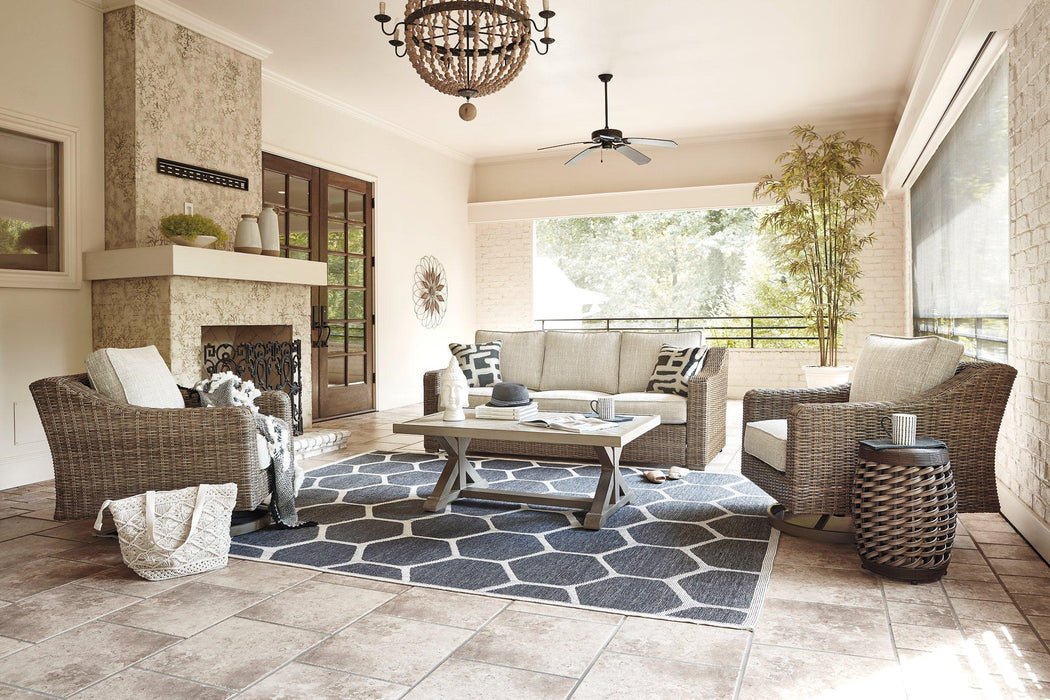
A sofa plus two lounge chairs offers more flexibility for medium patios. You can arrange pieces in a classic living room configuration or pull chairs away to open up floor space. This setup adapts easily to different party sizes.
Pairs of club chairs or loveseats work well for smaller decks and balcony-style spaces. Two matching chairs with a small table between them create a cozy spot without overwhelming the limited square footage.
Dimensions That Actually Feel Comfortable
-
Seat depth: 20–24 inches allows guests to sit back comfortably without feeling swallowed by cushions
-
Seat height: 15–18 inches makes sitting down and standing up easy
-
Coffee table height: Match it to sofa seat cushions (roughly 16–18 inches) so guests can reach drinks without leaning forward awkwardly
Cushion Choices for Outdoor Use
Outdoor cushions take abuse from the sun, rain, and spilled drinks. Look for:
-
Quick-dry foam cores that don’t retain water after rain
-
Removable, washable covers for inevitable spills
-
Fade-resistant fabrics in neutral tones
-
Accent pillows in bolder colors, these are cheaper to replace when they fade
Arrange lounge areas around a focal point like a fire pit, a substantial coffee table, or an outdoor rug. This creates a sense of “room” even in an open backyard and naturally draws guests into conversation groups.
4. Flexible Seating: Stools, Benches, and Poufs for Extra Guests
Even frequent hosts don’t need permanent seating for the maximum number of guests they’ll ever have. That holiday party with 25 people happens once a year; buying chairs for all of them means crowded storage and a cluttered patio the other 364 days.
Flexible seating pieces fill the gap between everyday needs and occasional large gatherings.
Backless Benches
A backless bench slides under your dining table when not in use, then pulls out to seat three or four extra guests when the crowd grows. Position one along a fence or wall as everyday seating, then drag it to the table for family gatherings. The lack of a back means benches tuck away more compactly than chairs.
Lightweight Stackable Stools
Stools that stack occupy minimal storage space while providing additional seating that moves easily between zones. Use them at the bar during cocktail hour, pull them to the dining table for dinner, then scatter them around the lounge area for dessert. Look for stools with carrying handles built into the design.
Weather-Resistant Poufs and Ottomans
Poufs serve double duty as casual seating for younger guests and as side tables when topped with a tray. Outdoor-rated versions handle rain and sun without falling apart. Ottomans work similarly and provide added comfort as footrests for lounge chairs.
Storage Solutions
-
Nesting stools that stack inside each other
-
Foldable chairs that hang on wall hooks or fit in a shed
-
Storage benches with lift-up seats for cushions or accessories
-
Slim designs that tuck under console tables or dining tables
The goal is ample space for normal days with quick options when extra guests arrive unexpectedly.
5. Outdoor Bar and Serving Furniture for Effortless Hosting
An outdoor bar setup isn’t mandatory, but it dramatically improves flow for drink-heavy gatherings. When guests can serve themselves, you spend less time shuttling beverages and more time actually enjoying the party.
Bar-Height Tables and Counters
Narrow bar tables (about 16–20 inches deep) run along a railing or wall without consuming much floor space. These work well in smaller patios where a full bar island would overwhelm the area.
Freestanding bar islands with storage for glasses, bottles, and bar tools create a dedicated drink station. Position one between the dining and lounge areas so it’s accessible from both zones.
Bar-height surfaces (36–42 inches tall) encourage standing and mingling, which naturally moves traffic away from seated areas. This creates better circulation during crowded parties.
Bar Stool Options
|
Stool Type |
Best For |
|---|---|
|
Swivel stools |
Conversation and turning toward views |
|
Stools with backs and footrests |
Longer comfort during evening gatherings |
|
Backless stools |
Compact storage, casual look |
|
Stackable bar stools |
Limited storage space |
Mobile Serving Pieces
A rolling bar cart shuttles drinks and snacks between the kitchen and outdoor space without multiple trips. Look for carts with two or three tiers and locking wheels.
Console tables double as buffet stations for self-serve food during outdoor entertainment. Position one near the grill so guests can grab plates and serve themselves directly.
Practical example: Set a 36–42 inch-high bar table with 4 stools near the grill. This keeps the cook involved in conversation rather than isolated while flipping burgers, and gives guests a perfect place to gather with drinks while waiting for food.
6. Shade, Comfort, and Accessories That Make Guests Stay Longer
Furniture alone isn’t enough. Without shade during hot afternoons or warmth during cool evenings, guests won’t stick around, regardless of how comfortable your sofas are. Accessories determine how long people actually stay.
Shade Solutions Matched to Furniture
Freestanding umbrellas cover dining sets effectively. A 9–11-foot wide umbrella shades a 6-person table adequately. Choose a base heavy enough to resist wind, at least 50 pounds for stability.
Offset or cantilever umbrellas work better over lounge groupings where a center pole would block conversation. These mount to the side and arc over seating without a pole in the middle.
Pergolas or shade sails suit large patios with multiple furniture zones. Fixed shade structures provide consistent coverage without the hassle of raising and lowering umbrellas before every gathering.
Comfort Accessories
-
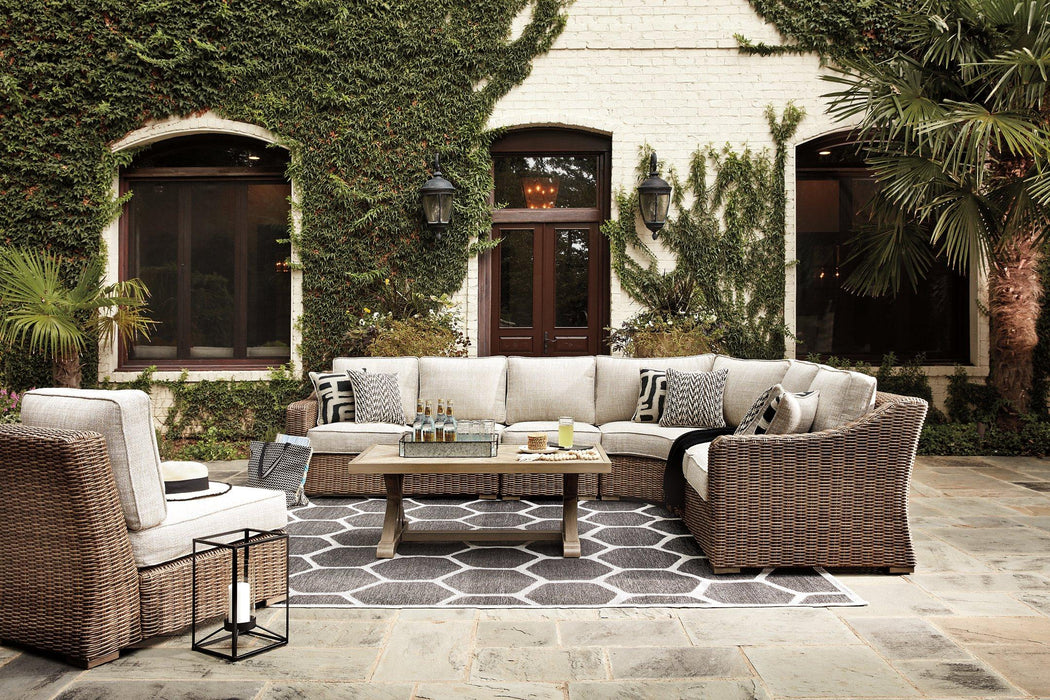
Outdoor rugs visually define seating and dining areas, making them feel room-like rather than scattered
-
Throw pillows add color and comfort without requiring new furniture; swap them seasonally
-
Outdoor blankets extend gathering time into cool evenings
-
Side tables ensure every seat has a place to set a drink; guests shouldn’t have to hold glasses the entire night
Lighting for Evening Entertaining
String lights hung over dining tables create instant ambiance and enough illumination to see food clearly.
Lanterns placed on coffee tables and side tables add warmth to lounge areas without requiring electrical work.
Solar path lights around seating areas help guests navigate between zones after dark without harsh floodlights.
The combination of shade during the day, warmth as temperatures drop, and lighting after sunset means your outdoor space stays welcoming from afternoon appetizers through late-night conversations.
7. Materials and Maintenance: Furniture That Survives Real Weather
The best entertaining setup is one you don’t have to baby before every visit. Materials matter more than aesthetics alone when furniture sees frequent use in varying weather conditions.
Frame Materials Compared
Powder-coated aluminum offers the best combination of light weight and durability for most hosts. Pieces move easily when rearranging for different events, resist rust completely, and clean with just a hose. The powder coating provides color options beyond natural metal tones.
Steel with a protective finish provides heft and stability, which matters in windy locations or for heavy pieces like large dining tables. However, steel requires more attention to prevent rust, inspect annually for chips in the finish, and touch up as needed.
Teak and other hardwoods deliver natural elegance and last for decades with proper care. New teak starts honey-colored and grays over time if left untreated. You can maintain the original color with annual oiling or embrace the weathered silver-gray patina. Acacia offers a similar look at a lower cost but doesn’t last quite as long.
Recycled plastic and composite lumber handle weather with zero maintenance. These heavy, stable pieces won’t blow around in storms and never need refinishing. The trade-off is a less refined appearance and substantial weight that makes rearranging difficult.
Tabletop Surfaces
|
Surface |
Durability |
Maintenance |
Look |
|---|---|---|---|
|
Ceramic tile |
Excellent |
Low, wipe clean |
Decorative, can be mosaic or solid |
|
Tempered glass |
Good |
Medium, shows fingerprints |
Modern, sleek |
|
Slatted wood |
Good |
Medium, needs oiling |
Warm, traditional |
|
High-pressure laminate |
Excellent |
Low |
Contemporary, many colors |
|
Concrete |
Excellent |
Low |
Industrial, modern |
For outdoor dining during parties, choose surfaces that don’t show every water ring or fingerprint. Slatted wood and textured ceramics hide imperfections better than glass or polished stone.
Year-Round Maintenance Tips
-
Use furniture covers during off-season months to protect from sun fade and debris
-
Store seat cushions in a deck box when not in use, or at a minimum, during extended rain
-
Plan two deep-clean days each year (early spring and early fall)
-
Inspect hardware annually and tighten loose screws before they strip
-
Wipe down frames monthly with mild soap and water
Weather-resistant materials reduce but don’t eliminate maintenance. A few hours twice a year keep furniture looking good for a decade or more.
8. Space-Specific Ideas: Match Furniture to Your Patio or Yard Size
Square footage and layout should guide furniture choices as much as style preferences. A setup that works beautifully in a large backyard overwhelms a small balcony, while furniture scaled for a balcony looks lost in expansive yards.
Small Balconies (Under 6’ x 10’)
Limited space demands multi-functional pieces and careful selection:
-
A foldable bistro set (round table, two folding chairs) tucks against the railing when not in use
-
A slim bench with built-in storage provides seating plus a place for cushions and accessories
-
A single comfortable lounge chair with a nesting side table works for solo relaxation or one-on-one conversations
-
Wall-mounted folding tables drop down for drinks, fold up to reclaim floor space
Avoid bulky pieces that block movement. Every item should earn its footprint.
Medium Patios (Around 10’ x 14’)
Most suburban townhomes and condos fall into this category. You have room for distinct zones but not unlimited space:
-
A 4–6 person dining table positioned near the house for easy food access
-
A compact loveseat plus two chairs arranged around a low coffee table at the opposite end
-
A small side table or two scattered between seating pieces
-
One statement piece (a hanging chair, a fire pit table) as a focal point
This configuration creates a dining area and a lounge area without crowding either. Leave a clear path between zones, at least 3 feet wide.
Large Decks and Backyards (Over 14’ x 18’)
Expansive spaces benefit from multiple distinct “rooms” rather than one sprawling furniture grouping:
-
A full 8–10 person dining set serves as the primary gathering spot
-
A sectional or large sofa arrangement creates a separate lounge area with its own coffee table
-
A fire pit circle with 4–6 chairs provides a third zone for cool-evening gatherings
-
A bar-height table with stools near the grill keeps the cook connected to the party
Position furniture zones based on sight lines and natural features. Place lounge seating where it catches the best view. Keep the dining table closer to the house for practical food service. Use outdoor rugs to visually separate zones even when they’re relatively close together.
9. Styling Tips to Make Outdoor Furniture Feel Like an Extension of Your Home
Outdoor entertaining becomes easier when your backyard or patio feels as welcoming and cohesive as your indoor living room. Guests relax more quickly in spaces that feel intentionally designed rather than hastily assembled.
Connect Indoor and Outdoor Palettes
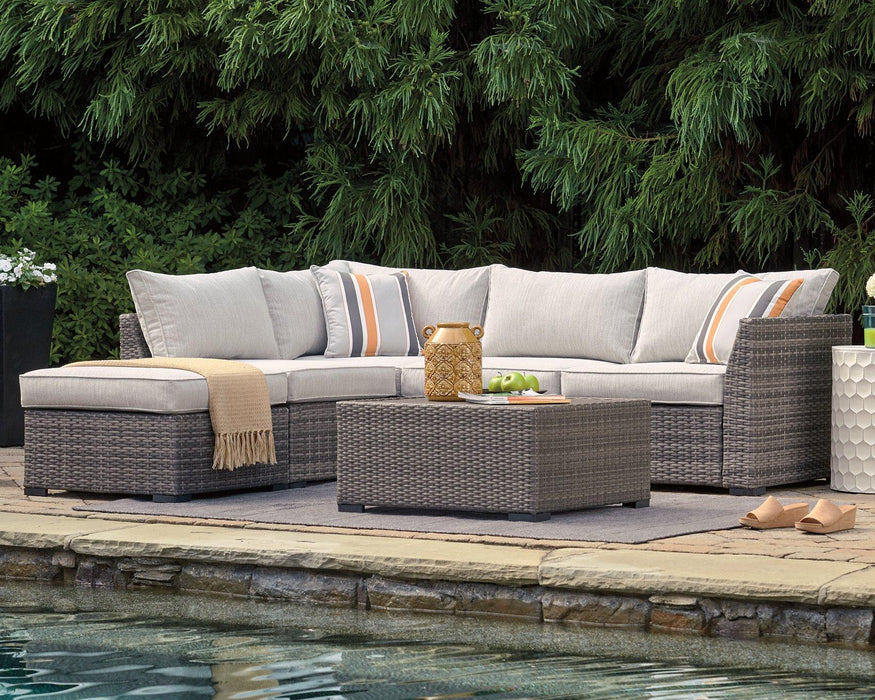
Carry your interior color scheme outside through cushions, outdoor rugs, and planters. If your indoor sofa features navy and cream, echo those tones in outdoor pillows and a striped rug. This visual continuity makes the outdoor space feel like an extension of your house rather than a separate environment.
Neutral furniture frames (gray, black, natural wood tones) provide flexibility to change accent colors seasonally without replacing major pieces.
Mix Shapes and Textures
Identical pieces create visual monotony. Instead:
-
Pair boxy outdoor sofas with round coffee tables
-
Combine woven chairs with smooth metal or stone tables
-
Mix materials, a teak dining table with powder-coated aluminum chairs
-
Various heights with a low lounge area near a bar-height standing zone
Textural contrast adds visual interest that makes spaces feel collected and stylish rather than catalog-ordered.
Create Conversation Vignettes
Large gathering spaces benefit from smaller “rooms within rooms”:
-
Two chairs and a side table in an underused corner give guests a quieter spot for one-on-one conversation
-
A pair of lounge chairs angled toward each other creates an intimate reading nook
-
A bench under a tree with a small table invites relaxation away from the main party
These vignettes serve guests who need breaks from larger group conversation.
Specific Styling Elements
-
Lanterns and outdoor-safe candles on tables add warmth and atmosphere after sunset
-
Potted herbs (rosemary, basil, mint) on dining tables provide both décor and conversation starters
-
Layered textiles, an outdoor rug under a smaller accent rug, throws draped over chair arms
-
Coordinated planters in varying heights frame seating areas
-
Decorative trays on coffee tables corral small items and make surfaces feel intentional
Styling should feel effortless but considered. Every element either serves a function (shade, comfort, drinks placement) or adds visual warmth without creating clutter.
Conclusion: Build a Setup That Fits How You Gather
The best patio furniture for entertaining guests isn’t about finding one perfect piece; it’s about assembling a thoughtful combination that matches how you actually host.
Start with a dining area sized for your typical guest list, whether that’s a bistro table for four or a long rectangular table for ten. Add comfortable lounge seating that gives guests a reason to stay after the meal ends, outdoor sofas and chairs with quality cushions make all the difference between a quick dinner and a memorable evening. Round out the setup with flexible extras like stools and benches that appear when crowds grow and disappear when they don’t.
Choose durable weather-resistant materials that won’t demand constant maintenance, then layer in comfort accessories: shade structures, outdoor rugs, side tables within reach of every seat, and lighting that extends gatherings into the evening hours. Function and layout come first; the stylish details follow.
This week, walk your outdoor space with fresh eyes. Measure the footprint. Consider how guests moved (or struggled to move) during your last gathering. Identify the single upgrade, whether that’s a larger dining table, a real lounge seating area, or simply additional seating options for overflow crowds, that will make the biggest difference for your next outdoor gathering. That one change is your perfect place to start.
Get Your Outdoor Furniture at Curly’s Furniture Today
 Your outdoor space should be comfortable, functional, and inviting for relaxation and gatherings. At Curly’s Furniture, our outdoor furniture collection includes seating, dining sets, and lounge pieces designed for durability, comfort, and everyday outdoor use. Each piece is chosen to help you create an outdoor area that suits your lifestyle and space.
Explore our outdoor furniture selection today and find the perfect pieces for your patio, deck, or backyard. Whether you’re hosting guests or enjoying quiet moments, Curly’s Furniture offers outdoor furniture that combines style, practicality, and lasting quality.