
When to Upgrade Your Bed for Better Sleep Quality
 Do you wake up tired even after spending eight hours in bed? Does your body feel sore in the morning, only to loosen up after you’ve been moving for an hour? Have you noticed that you sleep better in hotels or at a friend’s house than in your own bedroom? These are often signs that your bed, not your habits, is the problem.
Generally speaking, most people should consider upgrading their bed every 7–10 years, or sooner if specific warning signs appear. Your bed encompasses your complete sleep setup: the mattress, base or frame, pillows, and bedding, not just the mattress alone. Each component plays a role in whether you achieve restful sleep or spend the night tossing and turning.
The condition of your bed directly affects sleep quality, pain levels, energy levels, mood, and overall health. Research consistently shows that sleep surfaces impact how quickly you fall asleep, how often you wake during the night, and how much deep sleep you actually get. This article walks through concrete signs, typical timelines, and practical steps to decide if now, this year, not “someday”, is the right time to upgrade your sleep space.

1. Key Signs It’s Time to Upgrade Your Bed
Obvious and subtle signals from your body and your bed often show up years before the bed completely fails. The key is learning to recognize these patterns instead of dismissing them as normal aging or stress-related aches.
Waking up with new or worsening stiffness, neck pain, shoulder tension, hip pain, or lower back ache that eases after you’re up and moving is one of the clearest indicators. When your bed no longer provides proper spinal alignment, your muscles work overtime during the night to compensate. This creates tension that accumulates while you sleep and only releases once you start moving and your body naturally adjusts.
Needing to stretch or use pain relievers in the morning, even when you didn’t over-exert yourself the day before, signals that your bed is causing discomfort rather than relieving it. A supportive mattress should allow your spine to maintain its natural curvature, reducing strain on muscles and ligaments. When support deteriorates, pressure points develop at your shoulders, hips, and lower back, triggering pain signals that fragment your sleep cycle.
Frequently changing positions at night because you can’t get comfortable suggests your current mattress lacks adequate pressure relief or has developed uneven support zones. Research shows that sleepers on worn surfaces experience significantly more stage transitions during sleep, sometimes 30% more than those on properly supportive beds. These transitions interrupt the natural progression through sleep stages and diminish sleep consolidation.
The distinction matters: occasional soreness after an intense workout or unusual physical activity is normal. Regular pain on most mornings, regardless of the previous day’s activities, points to your bed as the likely culprit.
Consider this scenario: you visit family for a weekend and sleep on a five-year-old guest bed. You wake feeling refreshed and pain-free. Back home on your own mattress, the stiffness returns immediately. This comparison reveals that your body responds positively to different support, a strong signal that your bed needs attention.
2. How Old Is Your Bed? Lifespan Guidelines by Type
Even if a bed looks acceptable on the surface, internal materials fatigue over time. Foam loses its resilience, springs weaken, and support structures compress. Age alone serves as a strong upgrade signal, regardless of visible condition.
Typical replacement windows vary based on mattress type:
|
Mattress Type |
Expected Lifespan |
|---|---|
|
Innerspring |
6–8 years |
|
All-foam |
6–8 years (less for low-density foams) |
|
Hybrid mattresses |
7–10 years with good care |
|
Natural latex |
10–12 years or more when well maintained |
To check your bed’s age, look for the manufacturing date on mattress labels, usually found on the side seam or bottom. Compare that date to the current year. A bed purchased around 2014–2016 is likely due for replacement by 2024–2025, even if it still “seems fine.”
Heavier sleepers, couples who share the bed nightly, and homes with kids or pets typically see faster wear. These factors can shorten estimated lifespans by 1–3 years. A 180-pound individual sleeping alone will experience different mattress degradation than a couple with a combined weight of 350 pounds, plus a dog who sleeps at their feet.
Age plus symptoms should override any marketing claims about “20-year” or “lifetime” durability. A warranty guarantees against manufacturing defects, not against the natural breakdown of materials that negatively impact sleep quality over time.
3. Physical Wear and Tear: Visible and Tactile Clues
Your bed’s appearance and feel often reveal problems before you consciously connect them to poor sleep quality. Taking time to actually examine your sleep surface can uncover issues you’ve been sleeping through, literally.
Visible signs that indicate a worn-out mattress include:
Visible sagging in the center or where you usually sleep, noticeable even when no one is lying on the bed, means the support core has permanently compressed. Body impressions deeper than about 1–1.5 inches make you feel “stuck in a rut,” forcing your spine into unnatural positions throughout the night.
Lumps, bumps, or uneven cushioning you can feel when running your hand across the surface indicate that comfort layers have broken down unevenly. Edges that collapse when you sit on them make it difficult to get in and out of bed and reduce usable sleep surface area.
Frame and base issues matter equally. Slats that are bowed, cracked, or spaced too far apart fail to support today’s mattresses properly. A box spring or foundation that squeaks, creaks, or visibly bows creates an unstable platform. Loose or wobbly legs and joints that shift when someone rolls over create noisy springs and disrupted sleep for both you and your partner.
Try this quick home test: lie in your usual sleep position for 10–15 minutes. Note whether your hips sink too low, your lower back feels unsupported, or your shoulders feel pinched. If certain areas of your body bear disproportionate pressure, the mattress no longer distributes weight effectively.
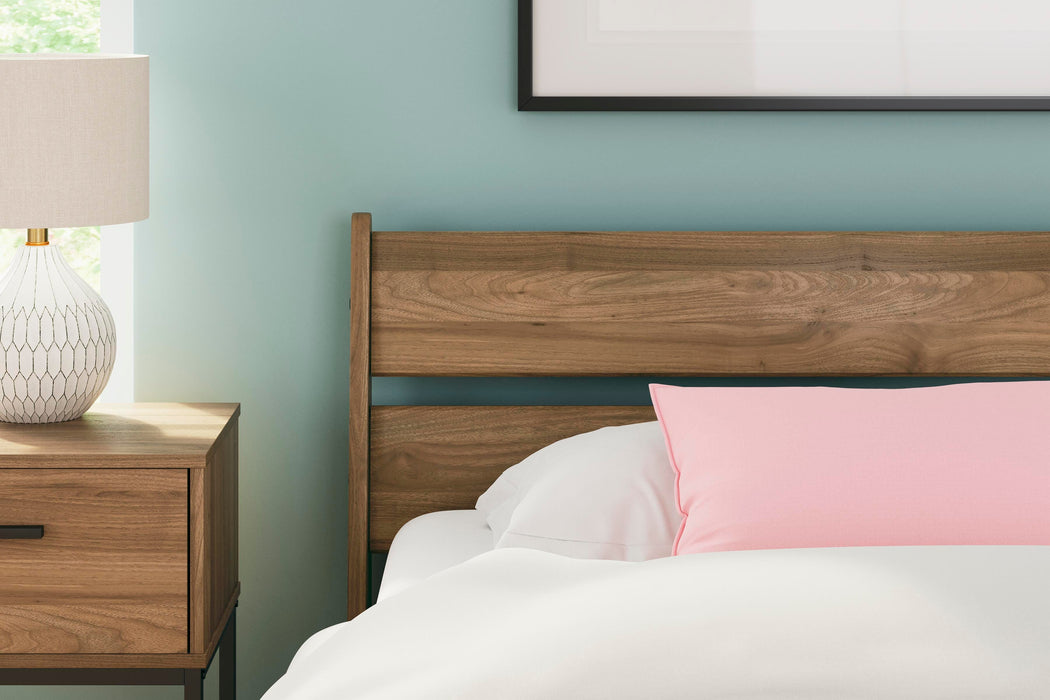
These physical issues are directly linked to disrupted sleep cycles, increased tossing, and morning discomfort that follows you into your day.
4. Health and Comfort Changes You Shouldn’t Ignore
Your body, health status, and preferences change over time. A bed that worked perfectly five years ago can quietly become a poor match as your circumstances evolve.
New or worsening back issues, joint pain, arthritis, or sciatica since you purchased your current mattress warrant reassessment. Your spine and joints may now require different support and firmness levels. Research indicates that medium-firm mattresses tend to reduce pain in individuals with back concerns, but if your bed has softened over the years of use, it may no longer provide adequate support.
Noticeable increases in allergy or asthma symptoms at night or when you first wake, stuffy nose, scratchy throat, itchy eyes, more coughing, suggest your bed has become a reservoir for allergens. Mattresses accumulate dust mites, dead skin cells, and moisture over the years of use. These can trigger allergies and exacerbate asthma symptoms even when you clean regularly. An old mattress may harbor millions of dust mites and other allergens that no amount of vacuuming fully removes.
Hot flashes, night sweats, or a general trend of overheating in bed often worsen on older foam mattresses that have lost their ability to regulate temperature. Materials that once breathed adequately may now trap heat, causing you to regularly wake throughout the night.
People who have gained or lost significant weight, started physically demanding work, begun training more intensely, or are pregnant may need different support characteristics than when they first purchased their bed. A 20-pound weight change alters pressure distribution and may require a different firmness for optimal sleep posture.
Life stages, moving from student life to full-time work, reaching mid-30s or 40s, or recovering from surgery or injury, represent natural points to reassess whether your bed still fits current health needs and supports your well-being.
5. When Other Beds Feel Better Than Your Own
Comparing how you sleep in different places is one of the easiest ways to judge whether your own bed is holding you back. Your body provides immediate feedback when sleep conditions improve; you just need to pay attention.
Common comparison scenarios reveal important information:
Sleeping more deeply or waking with less pain in a hotel bed, short-term rental, or guest room suggests your home bed lacks something essential. Falling asleep faster or waking fewer times when staying with friends or family indicates your nervous system relaxes more readily on different surfaces. Even napping comfortably on a sofa or recliner while struggling to rest in your own bed at night points to a problem with your primary sleep surface.
Feeling better on other beds shows your body responds positively to different support, firmness, or materials. This is one of the strongest indicators that a mattress upgrade would improve your sleep at home.
Consider intentionally testing this theory. Keep a short sleep diary for a week at home, noting how long it takes to fall asleep, how many times you wake, and how you feel in the morning. Then compare these notes to a weekend away or a few nights on a newer guest bed. The contrast often proves revealing.

If your bed is more than 7–10 years old and you consistently sleep better elsewhere, a pattern you’ve noticed over the last 12–18 months, you should actively plan to replace your mattress rather than waiting for a complete breakdown. The cumulative impact of years of subpar sleep far outweighs the cost of a new mattress.
6. How Upgrading Your Bed Improves Sleep and Daily Life
A bed upgrade represents an investment in health, not merely a household purchase. The returns extend far beyond the bedroom, affecting every waking hour.
A modern, well-matched bed offers several sleep and health improvements:
More consistent deep sleep and fewer awakenings result from better pressure relief and proper spinal alignment. Research demonstrates that medium-firm surfaces reduce sleep latency by approximately 38%, meaning you fall asleep significantly faster. Quality sleep architecture means more time in restorative N3 deep sleep stages, which are crucial for physical recovery and cognitive function.
Reduced morning aches, fewer tension headaches, and easier movement when getting out of bed follow naturally when your spine maintains proper alignment throughout the night. A quality mattress distributes your weight evenly, preventing pressure buildup at your hips and shoulders.
Better motion isolation benefits couples, so each person’s movements disturb the other less. Modern materials absorb movement rather than transferring it across the entire surface, so you no longer wake when your partner shifts position.
Benefits extend beyond night:
Higher daytime energy levels and sharper focus develop when sleep becomes truly restorative. Studies link improved sleep quality to better cognitive performance and reduced perceived stress throughout the day.
Improved mood, patience, and stress resilience follow naturally with fewer nights of broken rest. Sleep deprivation affects emotional regulation; quality sleep restores it.
Better sleep supports weight management, exercise consistency, and immune function. When you wake refreshed, you’re more likely to make healthy choices and have energy for physical activity.
Newer beds often provide improved temperature regulation, quieter performance with no noisy springs, and cleaner sleep environments with fewer allergens accumulating over time.
Consider this example: upgrading from a sagging 10-year-old innerspring to a supportive hybrid or latex bed typically leads to noticeably better sleep within the first few weeks. Many people report feeling like they’ve “rediscovered” what a good night’s sleep actually feels like.
7. Practical Steps: Deciding If Now Is the Right Time to Upgrade
Rather than putting off this decision indefinitely, use a simple self-assessment to determine whether to upgrade this year. The goal is clarity and action, not endless deliberation.
Run through this checklist:
|
Question |
Upgrade Signal |
|---|---|
|
Is your mattress older than 7–10 years? |
Yes = strong indicator |
|
Do you experience morning pain, stiffness, or numbness 3+ mornings per week? |
Yes = strong indicator |
|
Can you see visible sagging or feel deep body impressions? |
Yes = strong indicator |
|
Do you hear noisy springs or feel slats shifting? |
Yes = strong indicator |
|
Do you consistently sleep better on other beds? |
Yes = strong indicator |
|
Have your health needs changed significantly since purchase? |
Yes = moderate indicator |
If you answer “yes” to several of these points, start planning a mattress upgrade within the next 3–6 months rather than waiting for a sale “someday.”
Practical planning tips include:
Set a clear budget range and timeline. Decide to replace your bed before the end of the current year or by a specific month. Having a deadline creates accountability and prevents indefinite postponement.
Consider your personal needs when shopping for your next mattress: preferred sleep position, body weight, common pain areas, and room temperature. These factors determine whether you need softer or firmer support, cooling materials, or specific foam densities.
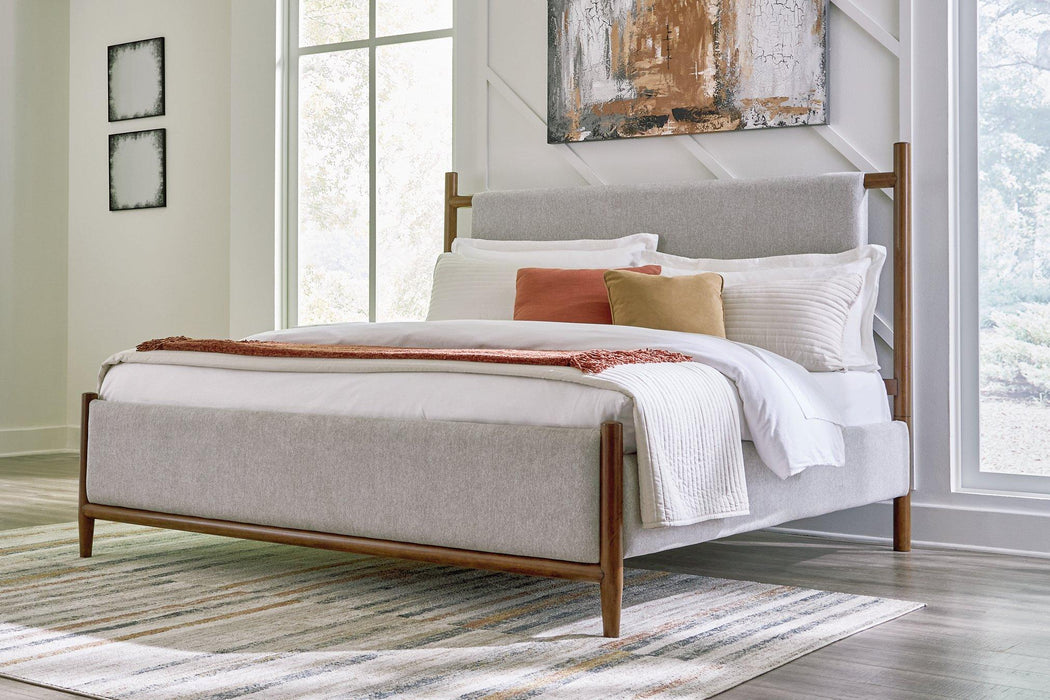
When it’s time to replace your mattress, approach it as a key step toward improving your sleep, long-term comfort, and healthier days ahead. This isn’t a purely cosmetic or luxury purchase; it’s an investment that pays dividends every single night and carries into every waking moment.
The perfect upgrade exists at the intersection of your body’s current needs, your budget, and your sleep habits. Take the assessment seriously, set a timeline, and commit to making high-quality sleep a priority. Your future self, more rested, more energetic, and less sore, will thank you.
Get Your Bedroom Furniture at Curly’s Furniture Today
 Your bedroom should be a space of comfort, style, and relaxation. At Curly’s Furniture, our bedroom furniture collection includes beds, dressers, nightstands, and storage solutions designed to fit your space and lifestyle. Each piece is crafted for durability, comfort, and lasting quality, helping you create a bedroom that feels welcoming and restful.
Explore our bedroom furniture selection today and find the perfect pieces to refresh your space. Whether you’re updating a single item or furnishing the entire room, Curly’s Furniture offers options that combine functionality, style, and everyday comfort.