
What Outdoor Furniture Helps Maximize Patio Use?

Quick Answer: Furniture That Makes Every Square Foot Work Harder
The best outdoor furniture for maximizing space shares critical characteristics: it’s foldable, stackable, modular, multi-functional, and offers easy storage. When selecting patio furniture for a small outdoor space, focus on pieces that adapt to your daily activities rather than static items that serve only one purpose.
The furniture types that deliver the most value per square foot include modular seating (sectionals under 70 inches per side that reconfigure from L-shapes to separate chairs), extendable dining tables that shift from 36 inches for weekday meals to 72 inches for weekend gatherings, storage benches 40–60 inches wide that seat 2–3 people while hiding cushions and gardening tools, stackable chairs that nest 4–6 high in a 2×2-foot corner, and multi-height tables that convert from 16-inch coffee table mode to 26-inch dining or laptop height.
For durable materials that support daily outdoor use without constant maintenance, prioritize powder-coated aluminum frames (lightweight and rust-proof with a 10–15 year lifespan), cast aluminum (another rust-resistant, durable option with vintage appeal, ideal for bistro sets and fire pit tables), teak and eucalyptus hardwoods (naturally weather resistant for 20–50 years; teak’s natural oils provide protection against moisture, insects, and rot, making it low-maintenance), high-density polyethylene lumber (color-through construction that won’t fade or crack), and all weather wicker made from polypropylene resin that holds 300+ pounds per chair. Weather-resistant fabrics for cushions and upholstery are also essential, as they withstand sun exposure and rain without frequent cleaning. These weather-resistant materials let you leave furniture outside year-round, ready for spontaneous use.

Introduction: Turn Any Patio Into a Multi-Use Room
Your outdoor patio is more than a slab of concrete with a few chairs; it’s a bonus room waiting to happen. With the right furniture, the same footprint can serve as a dining room extension for weekday dinners, a morning coffee sanctuary, a home office when the weather permits, and a gathering spot for evening drinks with friends.
Maximizing patio use isn’t about cramming in as many furniture pieces as possible. It’s about matching your patio furniture setup to real-life activities, the weekday breakfast you’d love to eat outside, the laptop work you could do in fresh air, and the small gatherings that feel cramped indoors. Even a modest 6×8-foot outdoor area (just 48 square feet) can support distinct zones for dining and lounging when furnished thoughtfully.
This guide covers everything you need to choose furniture that earns its keep: defining how you actually want to use your outdoor spaces, selecting specific furniture types for each purpose, planning layouts that preserve breathing room, and avoiding the common mistakes that leave patios underused.

Decide How You Want to Use Your Patio First
Function comes before furniture. Before shopping, identify what you actually want to do outside: daily dining, solo relaxation, remote work, entertaining guests, or kids’ play. The same 80–100 square foot patio looks radically different when set up for a “dining-first” household versus a “lounging-first” one.
A dining-first layout might prioritize a 60–72 inch rectangular outdoor dining table with four slim armless patio chairs, leaving minimal space for lounge seating. A lounging-first setup might feature a 58-inch loveseat, two deep chairs, and a 24-inch coffee table with no formal dining at all.
Rank your top 2–3 daily activities before you buy anything:
-
Daily habits: What would you do outside most often? Morning coffee alone, weekday dinners with family, reading in the afternoon?
-
Number of people: How many typically use the space on a regular day versus when guests visit?
-
Secondary uses: Do you need space for workouts, video calls, or children’s activities?
This ranking guides every furniture decision and prevents you from buying pieces that look nice but don’t support how you actually live.

Measure and Plan So Furniture Actually Fits
A 15-minute measuring session prevents the frustration of furniture that blocks doors, crowds walkways, or overwhelms your small space. Grab a tape measure and note the following:
-
Total patio dimensions (length × width)
-
Door swing clearance (typically 36–48 inches needed)
-
Step locations and drop-off edges
-
Fixed elements like posts, AC units, or downspouts (add a 12-inch buffer around each)
Apply these clearance rules to keep pathways functional:
-
24–30 inches behind dining chairs for pull-out space
-
At least 30 inches for main walkways from door to seating
-
18–24 inches between a sofa and coffee table
Sketch your layout on grid paper (1 square = 6 inches) or use a free room-planning app. Label furniture footprints with real dimensions. A 70-inch sectional on a 10×10-foot patio leaves roughly 30% open floor space, while a 96-inch piece crowds the area and blocks movement.
Best Furniture Types for Maximizing Patio Use
This section walks through the core furniture categories that deliver the most value on compact patios: flexible seating, efficient dining, multi-purpose tables, and smart storage pieces. Each subsection pairs specific furniture types with concrete dimensions so you can visualize what actually fits.
The goal is furniture that stays outside, requires minimal maintenance, and supports spontaneous use, no dragging chairs in and out or hunting for cushions every time you want to sit down.
Modular Sectionals and Flexible Seating
Modular sectionals allow for the rearrangement of seating based on the size of gatherings, making them ideal for small patios that serve multiple purposes. On the same footprint, you can configure an L-shape for intimate movie nights, a U-shape when guests arrive, or separate the modules into individual chairs for solo use.
For small to mid-size patios, look for sectionals with each side under 70 inches and individual seat modules about 28–32 inches wide. Armless middle modules offer extra flexibility, push one against an ottoman to create a daybed, or use it as overflow seating during parties.
Frame materials matter for year-round durability. Powder-coated aluminum frames are known for their corrosion resistance and lightweight durability, making them ideal for outdoor furniture that needs to withstand the elements. Cast aluminum is another excellent choice for outdoor seating, offering rust resistance and a vintage aesthetic. Durable seating materials include teak, aluminum, and HDPE wicker, ideal for year-round comfort and longevity. For cushions, choose quick-dry foam cushions with solution-dyed acrylic covers that resist UV fading and mildew.
A 10×10-foot patio can comfortably fit a 3–4 piece modular set while maintaining 30-inch walkways. The same set might form a conversation cluster most days and convert to parallel loungers on lazy Sunday afternoons.
Compact Dining Sets for Everyday Meals
A dedicated dining area makes your patio feel like an extension of your dining room and encourages more frequent outdoor meals. Outdoor dining furniture is designed to endure constant exposure to moisture, UV radiation, and temperature variation, making material selection essential for longevity.
Size guidelines for dining sets:
-
24–30 inch round or square tables seat 2 people comfortably on balconies
-
60–72 inch rectangular tables accommodate 4–6 people on larger patios
-
Allow 24–30 inches of clearance around chairs for movement
Armless, slim-profile patio chairs (18–20 inches wide) save floor space and fit more guests than bulky armchairs. Benches placed against walls work well for one side of a dining table, seating 2–3 people in the footprint of one chair.
Extendable outdoor dining tables offer a practical solution for accommodating varying guest capacities without permanently increasing the spatial footprint. A table that shifts from 48 inches for daily use to 72 inches for entertaining prevents a large table from dominating your outdoor patio every day.
Teak is a preferred material for outdoor dining tables because the natural oils in teak provide protection against moisture, insects, and rot, making it a low-maintenance and durable choice for outdoor dining furniture. HDPE and sintered stone tabletops also handle temperature swings and stains without damage.
Multi-Functional Pieces: Ottomans, Benches, and Daybeds
Multi-functional outdoor furniture is designed to adapt to various uses, allowing for efficient use of limited space in patios and balconies. The best pieces serve at least two roles: the ottoman that becomes a coffee table, the bench that hides your store cushions and outdoor pillows, and the daybed that converts to guest seating.
Storage benches and convertible furniture are examples of multi-functional pieces that combine seating with storage, maximizing space efficiency in outdoor areas. Look for storage benches 40–60 inches wide with gas-lift lids or soft-close hinges. These seat 2–3 adults along a wall while hiding cushions, gardening tools, throws, and outdoor games inside. Hiding cushions during storms extends their lifespan significantly.
Large outdoor ottomans (around 30–36 inches wide) serve multiple purposes:
-
A coffee table, when topped with a tray
-
Extra seating when guests arrive
-
Chaise extension when pushed against a chair
-
Footrest for relaxation
Outdoor daybeds or chaise lounges (60–70 inches long) often become the most-used piece on a patio. They’re perfect for reading, napping, and casual hangouts. Using multi-functional furniture allows for flexibility in outdoor spaces, enabling them to adapt to various activities and gatherings.
Space-Saving Chairs: Folding, Stacking, and Stools
Portable seating lets you host more people occasionally without visual clutter every day. Stackable chairs and foldable lounge pieces offer practical storage options while maintaining structural reliability, making them ideal for compact outdoor settings.
Folding chairs and bistro sets collapse to under 2 inches thick and can hang on wall hooks or store behind a bench when not needed. Look for models weighing 8–12 pounds with weight capacities around 250–300 pounds for durability without bulk.
Stackable chairs nest 4–6 high in a 2×2-foot corner, providing enough room for a dinner party while occupying minimal space day-to-day. Backless stools (16–18 inches wide) tuck completely under bar tables or rail-mounted ledges, freeing floor space entirely when not in use.
For comfort in warmer weather, choose breathable materials like mesh seats, sling fabric, or perforated metal. These dry quickly after rain, sling fabrics typically dry within an hour, and stay cooler in direct sun exposure.
Smart Tables: Nesting, Adjustable-Height, and Rail-Mounted
Surfaces are essential for real life, holding drinks, laptops, books, and snacks, but fixed bulky tables dominate a small patio. Smarter options adapt to your needs.
Nesting tables are a practical multi-functional furniture option, allowing users to expand or reduce surface area as needed while occupying minimal space when not in use. A set of 2–3 nesting tables (largest around 20–24 inches wide) spreads out during gatherings and tucks together the rest of the time.
Adjustable-height tables shift from 16–18 inches (coffee table height) to 26–28 inches for casual dining or laptop work, optimal for ergonomic use. This flexibility supports both lounging and productive work zones.
Rail-mounted bar tables or ledges (8–12 inches deep) reclaim railings as functional surfaces. They’re perfect for morning coffee on narrow balconies, preserving floor space for a chair or two.
For tabletop materials, powder-coated steel and hardwood slats handle outdoor environments well. Concrete composites and durable plastics resist yellowing and weathering across seasons.
Create Activity Zones to Get More Out of the Same Patio
Creating distinct functional zones in outdoor spaces enhances usability by defining areas for conversation, dining, and relaxation. Instead of one undefined area, zones make your patio feel larger and more purposeful.
Zones don’t require walls; furniture placement and simple anchors create separation. Outdoor rugs can visually separate different areas, like a lounge area and a dining area. A rug under seating, a bench along one edge, and a bar table against a railing naturally define three distinct purposes.
Even a 10×10-foot patio supports two zones comfortably. Place a 24–28 inch bistro table in one corner with two chairs for morning coffee. Opposite, arrange two lounge chairs with an 18–20 inch side table for evening relaxation. The arrangement creates two experiences in one space.

Zones for Relaxing, Dining, Working, and Entertaining
Here’s how to set up four common zone types:
Relaxation zone: A pair of deep lounge chairs (28–32 inches deep) with a low nesting table and outdoor rug creates an inviting retreat. Add a planter or privacy screen to define the space.
Dining zone: A compact dining table with 2–4 slim chairs under shade (umbrella or pergola) makes outdoor meals comfortable. Maintain 24–30 inches of clearance around chairs for movement.
Work zone: A narrow bar table (12–16 inches deep) with a comfortable seating stool near an outdoor outlet supports laptop work. String lights or a wall sconce extend usability into cooler evenings.
Entertaining zone: A modular seating cluster around fire pit tables or a large ottoman creates a natural gathering spot. Fire pits can enhance ambiance and extend the usability of patios into cooler months. A well-defined seating area, such as a sectional or cluster of chairs, signals a conversation zone, making it inviting for gatherings. Keep portable stools or stackable chairs stored nearby for overflow guests.
Use Vertical Space and Light Materials to Keep Patios Feeling Open
Tall, narrow storage and visually light furniture prevent compact patios from feeling cramped. When walls, fences, and railings do double duty, your floor space stays clear for seating and movement.
Choose furniture with slim legs, open bases, and slatted or mesh designs. These allow light and sightlines to pass through, making the area feel larger. A mesh-seat dining set lets roughly 80% of light through compared to solid upholstery.
Lighter color palettes, whites, light grays, and beiges reflect more light on small patios. Stats suggest small patios can appear 20–30% larger visually with lighter furniture and open designs. The tradeoff: light colors show dirt more readily, requiring occasional cleaning.
Vertical Storage, Planters, and Lighting
Using vertical space with planters can add personality to outdoor areas without consuming floor space. Here’s how to make walls and railings work harder:
-
Ladder-style shelves (12–18 inches deep, 5–6 feet tall) hold plants, lanterns, and small storage baskets against a wall
-
Railing planters and hanging pots bring greenery without using floor area
-
Wall hooks or peg systems store folding chairs, garden tools, and cushion bags
-
String lights, wall-mounted sconces, and solar stake lights extend patio use into the evening without a floor footprint
Keep all wiring and fixtures weather-rated for outdoor settings. Position lights and hooks so they don’t block doorways or main circulation paths; a blocked entrance is the fastest way to make a patio feel unusable.
Materials and Cushions That Support Daily, Year-Round Use
When materials require minimal maintenance and shrug off weather, you’re more likely to use your patio frequently. In tight spaces, early signs of rust, mildew, or fading are very visible and make the whole area feel neglected.
Invest in weather-resistant materials upfront to keep your best patio furniture looking inviting for years:
Recommended materials:
-
Powder-coated aluminum, HDPE lumber, treated hardwoods (teak, eucalyptus, acacia wood)
-
Resin wicker and synthetic wicker are rated for UV exposure
-
Quick-dry foam with performance fabric covers
-
Weather-resistant fabrics for cushions and upholstery, which withstand sun exposure, moisture, and rain without damage or frequent cleaning
Avoid if possible:
-
Untreated softwood (rots in 1–2 years)
-
Thin cotton or canvas cushions (mildew quickly)
-
Uncoated steel in humid climates (rusts rapidly)
-
Thin glass tabletops (thermal shock risk)
Best Frame and Surface Materials
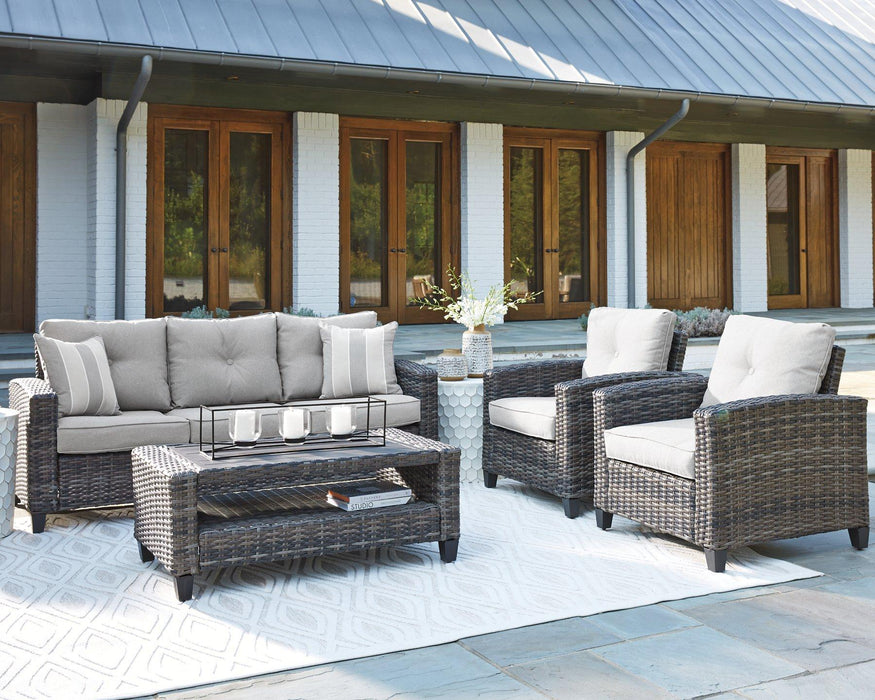
Powder-coated aluminum: Materials like powder-coated aluminum are recommended for rust resistance in humid areas. Lightweight (20–40% lighter than steel) and maintenance-free beyond occasional hosing, these frames typically last 10–15 years.
Cast aluminum is another excellent frame material for outdoor furniture, offering similar rust resistance and durability, with the added benefit of a vintage or ornate aesthetic. This makes it especially popular for bistro sets and fire pit tables.
Hardwoods: Teak is a preferred material for outdoor furniture due to its natural oil content, which resists cracking, warping, and decay over time, making it suitable for various weather conditions. It ages to a silver patina over 20–50 years with minimal maintenance, just annual oiling if you prefer the original color. Sustainable materials like FSC-certified teak and recycled aluminum are eco-friendly options for outdoor furniture. Acacia wood offers similar durability at a lower price point.
HDPE lumber: High-density polyethylene (HDPE) lumber is a synthetic material that withstands fading, moisture, and structural distortion, making it a durable choice for outdoor furniture. Color runs through the entire material, so scratches don’t show. Many manufacturers offer 20-year warranties.
All-weather wicker: Made from polypropylene resin, quality synthetic wicker withstands 1,000+ hours of fade testing and holds 300+ pounds per chair. It mimics natural wicker without the rot or insect concerns.
For hardware, choose stainless steel screws and brackets to prevent corrosion at joints, often the first failure point on cheaper furniture.
Cushions and Textiles That Can Live Outdoors
Comfortable cushions dramatically increase how long people sit outside. Thick cushions (3–4 inches) balance comfort against visual bulk; 6-inch cushions can overwhelm small-scale frames and make compact patios feel heavy.
Performance fabrics provide mildew and fade resistance for outdoor cushions. Sunbrella fabrics are preferred for cushions due to their fade resistance in outdoor settings, remaining 99% colorfast after 500 hours of sun exposure. Solution-dyed acrylic and polyester covers resist UV damage, stains, and moisture.
Quick-dry foam drains 90% faster than standard cushion foam, typically drying in about 45 minutes after rain. This means comfortable seating stays usable without constant monitoring.
Practical cushion tips:
-
Choose removable, zippered covers for washing after pollen season
-
Keep a weather-resistant storage box or bench nearby to tuck comfortable cushions away during storms
-
Use furniture covers during extended off-season storage to extend fabric life
Layout and Styling Tips to Avoid a Cluttered Patio
Even the best outdoor furniture feels cramped when it’s jammed in without breathing room. Negative space and clear pathways make outdoor living areas more inviting than furniture-packed alternatives.
Follow these composition basics:
-
One focal point per zone (fire pit, statement chair, or dining table)
-
One appropriately sized outdoor rug to anchor seating rather than several small mats
-
2–3 larger decorative items (planters, lanterns) instead of many tiny accessories
Periodically, “edit” your patio each season. Remove unused items to keep the space flexible and easy to clean. A cluttered patio becomes a patio nobody uses.
Walkways, Focal Points, and Common Mistakes
Leave at least 30 inches of width for main paths from the door to the primary seating or your dining area. Blocking a sliding door with the back of a chair or table is one of the biggest reasons patios go unused; people simply avoid the hassle of moving furniture every time.
To keep tight spaces comfortable:
-
Choose soft-corner or round coffee tables to reduce bumped shins
-
Place storage benches and bulkier pieces along walls, not in the center
-
Pick one focal point (fire pit table, bold lounge chair, statement planter) to visually organize the space
Common mistakes to avoid:
-
Buying oversized sectionals that block 30-inch pathways
-
Mixing too many unrelated furniture styles, creating visual clutter
-
Skipping shade solutions (umbrellas, shade sails) that extend use by 4–6 hours daily
-
Ignoring evening lighting that could make the patio usable after dark
Portable and Seasonal Furniture for Changing Needs
Patios serve different purposes across seasons. Summer calls for sun lounging; spring and fall invite fire-side gatherings. High-quality outdoor furniture that adapts to these shifts gets used more often.
Lightweight pieces that one person can reposition without help offer the most flexibility. Think 8–12 pound chairs, rolling carts, and modular components that reconfigure in minutes rather than requiring a two-person furniture shuffle.
Consider seasonal swaps: bring out a fire pit table when evenings turn cool, add extra seating for summer parties, or reconfigure loungers to follow shifting sun patterns through the day.
Key Portable Pieces Worth Adding
The right patio furniture includes these portable essentials:
-
Lightweight chairs (8–12 pounds): Move between sun and shade as conditions change throughout the day
-
Rolling outdoor cart (18–24 inches wide): Serves as bar cart, plant stand, or side table; tucks into corners when not needed
-
Stackable stools and nesting tables: Provide extra seating and surfaces during gatherings without a permanent footprint
-
Foldable loungers or sling chairs: Store flat for winter or deploy for larger get-togethers
When choosing furniture, select designs that look good indoors too. Pieces that migrate inside during the off-season get year-round use rather than sitting neglected in storage.
Conclusion: Thoughtful Furniture Choices = A Patio You Actually Use
Maximizing patio use comes down to three fundamentals: defining your core activities before shopping, measuring carefully so furniture actually fits, and choosing modular, multi-functional furniture that adapts to different needs. The right furniture transforms even small patios into a functional retreat that supports daily habits rather than gathering dust.
Zoning creates purpose, vertical storage preserves floor space, and space-efficient, visually light materials keep compact patios from feeling cramped. Weather-resistant finishes and durable materials mean furniture stays outside, ready for spontaneous use, no dragging pieces in and out or worrying about rain damage.
Your action checklist:
-
Define your top 2–3 patio activities
-
Measure total dimensions, clearances, and fixed obstacles
-
Choose key furniture: adaptable seating, right-sized table, storage piece
-
Plan zones using furniture placement and rugs
-
Maintain 30-inch pathways from the door to the seating
Start with one zone, a morning coffee nook or two-person dining spot, rather than trying to furnish everything at once. As you discover how much more time you spend outside, expand from there. With the right furniture choices, your patio becomes the most-used room at home, from the first warm days of spring through crisp fall evenings.
Get Outdoor Furniture at Curly’s Furniture Today
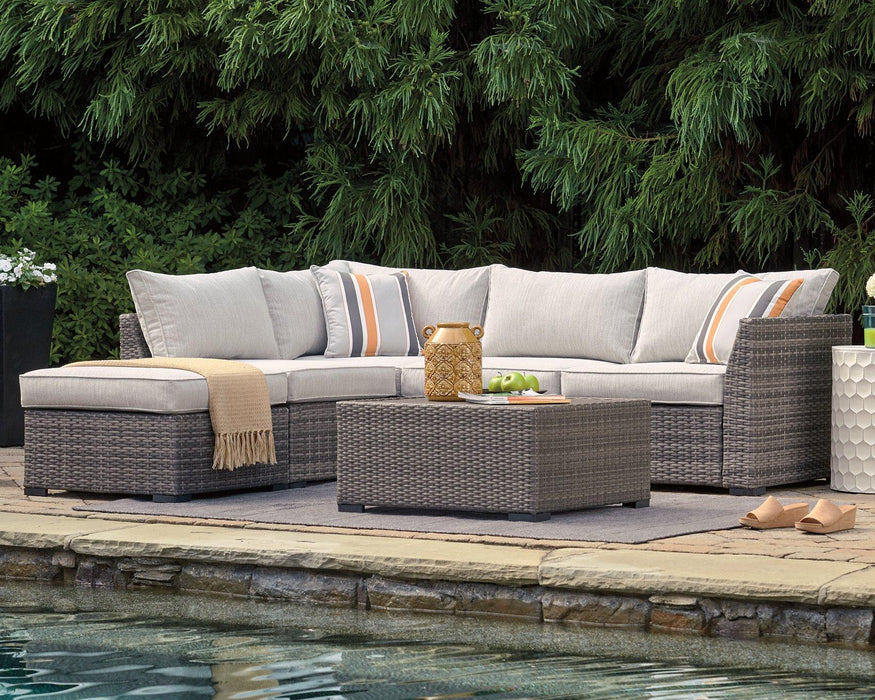
Upgrade your patio, deck, or backyard with outdoor furniture at Curly’s Furniture today and create a space that is comfortable, functional, and built for everyday outdoor living. Whether you are setting up a cozy seating area or a place for outdoor dining, the right furniture helps you relax, entertain, and enjoy more time outside. Outdoor furniture is designed with durable materials that can handle sun, rain, and regular use, making it a reliable choice for long-term comfort.
Now is the perfect time to refresh your outdoor space. Get outdoor furniture at Curly’s Furniture now and create a place where you can unwind, host gatherings, and enjoy the outdoors with comfort and style.