
What Furniture Style Complements Your Flooring and Walls?
 The fastest way to figure out what furniture belongs in your room is to look down, then look around. Your flooring and walls are already making design decisions for you; your job is simply to listen to what they’re telling you. Choosing flooring is a foundational step in the design process, as it sets the stage for the rest of the room.
When you walk into a room, the walls set the mood. They’re the largest visual surface, acting as either a quiet backdrop or a bold statement. Floors ground the entire space, anchoring everything that sits on them. Furniture? It connects these two elements, bridging the gap between what’s underfoot and what surrounds you. Pairing flooring with furniture and wall colors is essential for a cohesive and harmonious look. To pair flooring with paint and furniture effectively, coordinate these elements to achieve visual harmony throughout the room. Get this relationship right, and your space feels cohesive without looking overly “designed.”
This article gives you concrete examples you can use today. Whether you’re working with light oak floors and white walls, dark tile with taupe walls, or something in between, you’ll find specific guidance here. Think of this as a room-by-room checklist when you’re shopping for a sofa, dining set, or bedroom furniture. By the end, you’ll understand exactly how to choose colors, textures, and styles that make your existing floors and walls look intentional rather than random. Your furniture sets the tone for the room, so it’s a great place to start when planning your flooring and paint selections. Choosing colors that complement wood tones can be overwhelming, especially with the numerous shades of wood available.
Know the Relationship Between Floors, Walls, and Furniture
Smart interior design follows a sequence: floor first, then walls, then furniture, then accents. This hierarchy exists because floors and walls are fixed elements; you’re not ripping them out every few years. Furniture adapts to them, not the other way around. When selecting new furniture, it’s important to coordinate it with your existing floor and wall colors to achieve a harmonious overall appearance.
Light versus dark floors fundamentally change how your furniture appears. Place a bulky sectional on pale maple flooring installed in a 2015 new build, and it might look grounded and comfortable. Put that same sectional on dark walnut, and suddenly it can feel like it’s floating, or worse, disappearing into visual heaviness. The floor color affects the perceived weight and scale of every piece sitting on it.
Walls act as your backdrop. Strong wall colors, think deep navy, forest green, or terracotta, demand simpler furniture with clean lines because the walls are already doing the talking. Neutral walls in beige, gray, or warm white tolerate bolder furniture shapes and statement furniture with more visual interest. The wall is either the star or the supporting cast; your furniture plays the opposite role.
Furniture finishes interact with both surfaces. Wood furniture can echo wood floors for a cohesive look, or a metal coffee table can create deliberate contrast against warm woods. Both approaches work when they’re intentional. Picture a typical 2020s open-plan living room with pale LVP flooring and greige walls: a wooden furniture piece in a similar light oak tone creates harmony, while black furniture introduces striking contrast. Neither is wrong; they just tell different stories.
When your design style is clear, the rest of the decisions become easier.
Color Harmony: Matching Furniture to Wall and Floor Colors
Color is your first filter when choosing furniture against existing flooring and walls. Before you think about style, shape, or size, ask yourself: what colors am I working with, and how do they interact? Achieving the perfect match between your flooring, furniture, and wall colors creates aesthetic harmony, especially when you consider how lighting and material textures influence the overall look.
The classic 70/20/10 rule applies here. Roughly 70 percent of your room’s color comes from floors and walls (your fixed neutrals), 20 percent from furniture, and 10 percent from accents like pillows and lamps. This ratio prevents any single element from overwhelming the entire space.
When pairing light oak or ash floors with white or soft gray walls, reach for medium-toned furniture. A walnut veneer sideboard, warm gray fabric sofa, or oak dining table with visible grain adds depth without fighting the lightness. If floors are dark espresso or near-black and walls are beige or cream, flip the equation: choose lighter sofas in linen, sand, or stone colors, and use mid-tone wood tables to bridge the contrast.
Undertones matter more than most people realize. Warm honey or golden floors common in pre-2010 homes have yellow undertones that clash with cool blue-grays. Pair them instead with warm beiges, terracottas, and olive fabrics. Cool gray tile with blue-gray or charcoal walls calls for sleek furniture in similar cool tones or crisp whites. Ignoring undertones, putting a pinkish beige wall against cool blue-gray laminate flooring, creates visual tension that no amount of styling can fix.
Color influences emotion in a way that most people do not know. Warm colors, such as red and orange, increase energy, whereas cool colors, such as blue, enhance calmness.
In a small room, keep bold colors to one or two main furniture pieces if your walls and floors already contrast. Let the architecture do most of the work, and let your furniture complement rather than compete.
Light Floors and Neutral Walls
This combination dominates homes built or renovated since around 2018. Light oak, maple, or pale laminate flooring paired with white, off-white, or greige walls creates an airy, modern foundation.
Furniture styles that excel here include Scandinavian pieces with pale wood legs, simple silhouettes, and off-white or stone upholstery. Minimalist contemporary works too: slim metal legs, low-profile sofas, and white or black storage pieces. These styles emphasize the brightness rather than fighting it.
The risk with light-on-light is a “washed-out” feeling. Counter this with muted accent colors in fabrics, think soft blues, sage green, or clay tones. A light gray sofa paired with an oak coffee table, set against light plank floors and white walls, benefits from throw pillows in dusty blue or terracotta to add warmth without heaviness.
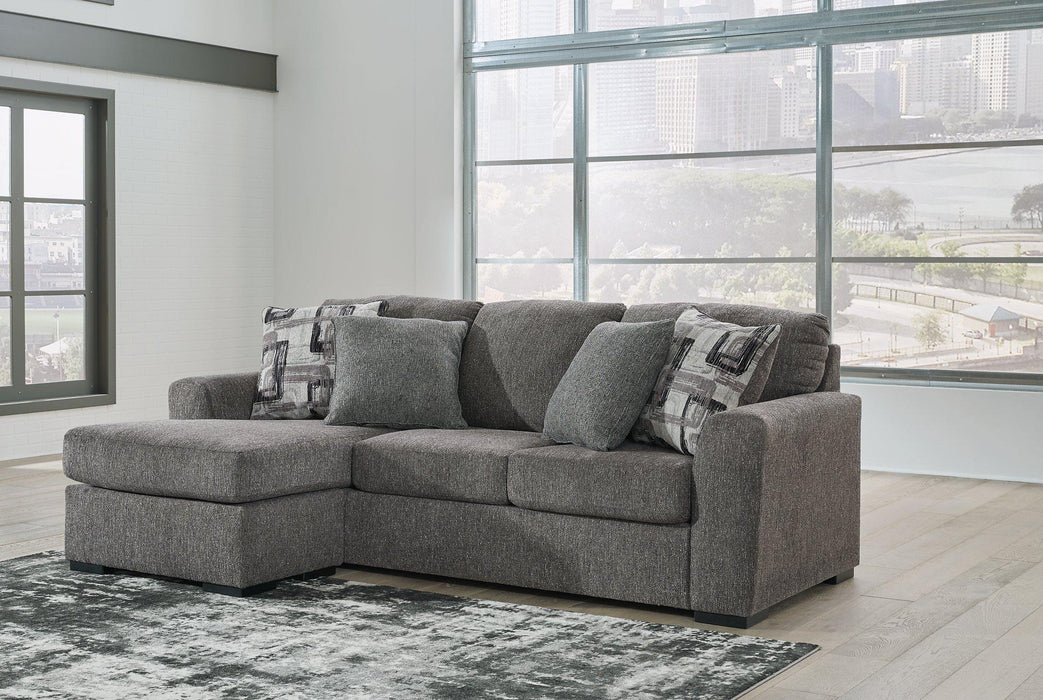
In bedrooms, the same principles apply. Light floors with neutral walls pair beautifully with upholstered beds in oatmeal or warm white, flanked by light wood nightstands. Add texture through linen bedding and a wool area rug in warm cream to prevent sterility.
Dark Floors and Pale Walls
Dark-stained hardwood floors or dark vinyl plank with white or cream walls became popular in renovations from 2015 onward. The contrast is dramatic but requires furniture that bridges the gap.
Transitional furniture works exceptionally well: medium-wood pieces, upholstered headboards, soft linen or chenille fabrics. Classic styles also shine, tufted sofas in ivory or gray, rich wood dining tables in walnut tones. These choices respect the contrast without exaggerating it.
Visual lightness matters here. Choose furniture with visible legs, metal or tapered wood, rather than pieces that sit flat on the floor. A sofa with exposed legs allows dark floors to “breathe” beneath it. A solid-base couch, by comparison, can make the room feel heavier than intended.
Area rugs serve as essential bridges between dark flooring and pale furniture. Look for rugs with mixed light and mid-tones, a cream rug with a subtle gray pattern, for instance, to create a transition zone your eye can rest on.
Consider a dining room example: dark hardwood floors, warm white walls, a walnut dining table with tapered legs, and chairs upholstered in pale gray linen. The rug underneath features cream with soft charcoal geometric accents. In a home office, dark floors meet pale walls with a white desk, light wood shelving, and a leather chair in tan to add warmth.
Grey or Concrete-Look Floors
Gray luxury vinyl plank and concrete-look tile exploded in popularity in apartments and modern homes after 2018. This flooring reads as contemporary and slightly industrial, which directs furniture choices accordingly.
Industrial furniture makes natural sense: black metal frames, reclaimed-wood tops, leather or charcoal upholstery. Modern urban pieces also work, low-back sofas in graphite or taupe, glass or black coffee tables, and sleek storage units. These styles echo the cool, no-fuss character of gray floors.
The challenge is avoiding coldness. Warm-toned furniture, tan leather, light oak accents, and brass lamps soften gray floors without fighting their modern appeal. A concrete-look floor with a charcoal sofa benefits enormously from a cognac leather armchair and an oak side table with brass hardware.
Wall paint matters especially here. Soft warm white, light greige, or pale mushroom tones keep gray floors from feeling stark while maintaining that modern edge. Avoid pure cool whites, which can make the space feel clinical rather than inviting.
Texture and Material: Matching Furniture Feel to Floor and Walls
Beyond color, surface texture shapes how furniture reads in any room. Smooth, rough, matte, glossy, each quality interacts differently with your flooring and walls.
Polished porcelain or marble floors reflect light and feel sleek. Balance that shine with matte or textured fabrics like bouclé, linen, or brushed cotton. The contrast creates visual interest and prevents the room from feeling cold and slippery.
Brushed or distressed wood floors already have texture built in. Pair them with smoother furniture surfaces, lacquered sideboards, crisp upholstery with tight weaves, to prevent the room from feeling too rustic or rough.
Heavily textured walls like brick, stone veneer, or heavy plaster need simpler furniture forms. Ornate carved pieces against exposed brick create visual clutter; clean-lined contemporary furniture lets the wall texture shine without competition.
A good rule: mix two to three materials in each room, wood, metal, fabric, rather than repeating the same wood tones in floors and every furniture piece. Variety creates depth; repetition flattens the space.
Hardwood and Wood-Look Floors
Whether you have genuine hardwood floors or convincing laminate flooring and wood-look vinyl, the principle remains: don’t match furniture wood exactly to floor color.
Instead, step lighter or darker. Light oak floors pair beautifully with mid-tone oak or walnut furniture. Dark wood floors work well with medium wood furniture or lighter pieces. This subtle variation creates depth rather than monotony.
Rustic floors with visible knots and heavy texture call for simple fabric sofas and black metal accents. Adding more busy wood grain to furniture competes with the floor. Let the floor’s character dominate, and keep furniture calmer.
Smooth, refined planks can handle more wood elements and classic silhouettes. A polished oak floor supports a traditional wood dining set or a sophisticated walnut sideboard without overwhelming the eye.
Picture a 2020s open-plan living and dining area with consistent wood-look flooring throughout. The living section features a gray linen sofa and a walnut coffee table with metal legs. The dining section holds an oak table two shades darker than the floor, with upholstered chairs in oatmeal. The wood tones relate without matching, creating warmth across the entire space.
Tile, Stone, and Concrete Floors
Hard flooring, glossy porcelain, matte stone, terrazzo, and polished concrete appear commonly in lofts, ground-floor spaces, and warm-climate homes. Each surface type suggests different furniture approaches.
Glossy floors reflect everything. Soften them with textiles: large area rugs, upholstered chairs, and rounded coffee tables. The furniture should add comfort and absorb visual hardness.
Rough or textured stone floors already have rustic character. Streamlined furniture with clean lines prevents the room from tipping into cave-like heaviness. Think sleek leather sofas and simple metal tables rather than chunky carved pieces.
Wall finishes interact with hard floors significantly. Smooth painted walls allow furniture to introduce all the texture; textured plaster walls need furniture to stay simpler.
Imagine a concrete-floored loft living room: mid-century style furniture with tapered wood legs, a large wool rug in cream and gray, and a leather sofa in cognac. The rug and fabric add comfort while the furniture silhouettes stay refined, the perfect balance against industrial flooring.
Carpeted Floors
Medium-pile carpet in neutral colors has remained standard in bedrooms and upper floors for decades. Carpet changes how furniture sits visually, softening everything and absorbing visual weight.
Choose furniture with visible legs. Beds, dressers, and nightstands with tapered or turned legs keep carpeted rooms from feeling heavy and grounded in the wrong way. Furniture that sits flat can look like it’s sinking into the floor.
Avoid harsh contrasts; ornate dark-toned furniture on very light carpet creates jarring visual breaks. Instead, let furniture fabrics echo the carpet’s undertones. Soft blues, greens, or warm neutrals in upholstery create continuity.
A bedroom example: light beige carpet, warm white walls, an upholstered bed in oatmeal fabric, light wood nightstands with slim legs. A wool throw in dusty blue adds an accent that complements both carpet warmth and wall neutrality.
Choosing Furniture Style by Floor and Wall Combination
“Style” labels, modern, traditional, farmhouse, should be guided by what your floors and walls already suggest. Fighting your home’s natural direction creates friction; working with it creates flow.
New builds with light, wide-plank floors and white walls naturally suit Scandinavian, coastal, and contemporary furniture lines. These spaces were designed with modern sensibilities; modern furniture completes the vision.
Homes with darker-stained floors and off-white or rich wall colors pair more easily with traditional or classic furniture. The warmth in the flooring asks for furniture with similar warmth, woods like walnut or cherry, tufted upholstery, and curved arms.
Mixed elements, gray floors with warm beige walls, for instance, support transitional furniture that blends modern and classic details. Laminate flooring is one of the most versatile and stylish choices you can make, able to complement a wide range of furniture styles. Its versatile nature means that whether your room features a mix of old and new, or you want to experiment with different looks, laminate flooring adapts seamlessly. A room from a 1990s home with red oak floors and tan walls might struggle with ultra-minimalist furniture but embrace updated traditional pieces with contemporary proportions.
Modern and Minimalist Furniture
Modern furniture features low, clean lines, metal or slim wood legs, solid-color fabrics, and minimal ornamentation. It thrives on simplicity.
This style works best with light or gray floors and crisp white or very pale walls. Concrete or large-format tile floors with smooth wall finishes also provide the neutral backdrop modern furniture needs.
Specific examples: a platform sofa in neutral fabric, a slab coffee table with a metal frame, and wall-mounted storage units. These pieces let the architecture speak while furniture occupies space efficiently.
The risk is sterility. Counter it with minimal but bold colors, one rust-colored armchair, one navy sideboard. These accents add personality without cluttering the visual space that modern style depends on.
Scandinavian and Japandi Furniture
Scandinavian style emphasizes natural light wood, soft off-whites, simple forms, and prioritized comfort. Japandi blends these principles with Japanese minimalism. Both celebrate negative space and material honesty.
These styles pair ideally with light oak floors, pale beige or warm white walls, and rooms with ample daylight. The furniture wants to breathe; cramped or dark spaces fight against it.
Suggested items: a light wood dining table, ladder-back chairs, low-profile sideboards, cotton or linen upholstery in ivory or light gray. The palette stays calm, the forms stay simple.
Add texture through wool rugs, woven baskets, and natural fiber accessories. These elements prevent ultra-minimal rooms from feeling cold while staying true to the décor style philosophy.
Farmhouse and Rustic Furniture
Farmhouse furniture features chunky wood tables, visible grain, distressed finishes, slipcovered sofas, and metal hardware. Rustic pieces share similar DNA with more emphasis on natural imperfection.
These styles match best with warm wood tones in flooring, whether genuine hardwood floors or warm-toned laminate. Cream or warm gray walls complete the look; accent wall treatments like shiplap or board-and-batten feel right at home.
Concrete examples: a farmhouse table with crossed legs, a slipcovered sofa in natural linen, black metal pendant lights, an oversized wooden bowl on the coffee table. The aesthetic celebrates the handmade and the comfortable.
If your floors are already dark, avoid overloading with more heavy dark pieces. Keep some items lighter, such as a cream sofa and light wood chairs, to maintain the right balance and prevent visual heaviness.

Traditional and Classic Furniture
Traditional furniture features curved arms, carved details, richer woods like cherry or walnut, and tufted upholstery. It suggests permanence and refinement.
This style works well with mid-to-dark wood floors and warmer wall colors, soft taupe, greige, muted gold, or deep green accent walls. The richness in the furniture needs richness in the surroundings to feel balanced.
Neutral carpeted rooms can also support traditional furniture if fabrics are refined: damask patterns, velvet textures, linen blends. The carpet softens the formality while the upholstery maintains elegance.
Example: a formal living room with dark wood floors, warm white walls, a navy tufted sofa, and a wood coffee table with turned legs. The furniture color provides contrast while the wood tones echo the floor, pulling the entire room together.
Special Situations: Matching Furniture to Very Light or Very Dark Floors
Extreme ends of the floor color spectrum require particular care. Almost-white floors and nearly-black floors both amplify furniture choices dramatically, mistakes show more clearly, but successes look more striking.
Very Light Floors
Whitewashed oak, bleached pine, and pale laminate became popular in coastal and modern homes after around 2017. These floors brighten spaces but risk feeling too airy without anchoring elements.
Furniture choices should avoid too much white. Instead of a white sofa on white floors against white walls, opt for oatmeal, beige, soft gray, or pale wood. These adjacent colors add just enough contrast to define furniture against the flooring.
Include one or two medium or dark anchor pieces, a dark-stained coffee table, and a charcoal media unit, so the room doesn’t feel like it’s floating. These pieces ground the space without overwhelming the brightness.
Pair these floors with wall colors like warm white or very light greige. Avoid pure cool white walls, which can make pale floors feel stark and clinical. The goal is serene, not sterile.
Living room example: whitewashed plank floors, soft white walls with cream undertones, a linen sofa in sand, an oak coffee table in natural finish, and a dark wood accent table. Bedroom version: the same floors, warm white walls, an upholstered bed in stone gray, light oak nightstands, and navy throw pillows for accent.
Very Dark Floors
Dark espresso, near-black hardwood, and dark laminate floors dominated builds and remodels from 2005 to 2015. They’re dramatic but demanding; poorly matched furniture creates a cave-like atmosphere.
Select sofas and larger furniture in light to mid-tone fabrics: cream, warm gray, soft blue. These choices provide breathing room against floor depth. White can work, but may feel too stark; warmer tones blend better.
Light or patterned rugs visually break up the dark floor expanse. Don’t cover the entire floor, just create transition zones under seating areas and dining tables where eyes can rest.
Avoid combining dark floors, dark walls, and bulky dark furniture unless you’re deliberately creating a moody, library-like atmosphere with excellent lighting. For most living rooms, lighten up.
Dining area example: dark hardwood floors, cream walls, a medium walnut dining table, and chairs upholstered in warm gray with visible light wood legs. The rug underneath features cream with a subtle geometric pattern. Living area version: the same floors, off-white walls, a stone-colored sectional, a glass-topped coffee table with a black metal frame, and light linen curtains that brighten the windows.
Practical Steps: How to Decide on Furniture with Your Existing Floors and Walls
Choosing furniture that complements your floors and walls doesn’t require professional training. It requires a systematic approach that you can repeat for every room.
Step 1: Identify your floor and wall colors and undertones. Is your floor warm (yellow undertones, honey tones) or cool (gray undertones, ashy tones)? Is it light, medium, or dark? Apply the same questions to your walls. This establishes your foundation.
Step 2: Decide on one main furniture style. Look at your architecture, your personal style, and how you actually live. A 2020s open-concept home suits modern or Scandinavian furniture. A 1980s traditional layout embraces classic or transitional pieces. Choose one direction.
Step 3: Choose furniture colors using the 60-30-10 rule. Your floors and walls occupy roughly 60 percent of visual space. Main furniture (sofas, beds, dining tables) fills 30 percent. Accents (pillows, accessories, lamps) complete the final 10 percent. This ratio prevents any element from overwhelming.
Step 4: Mix textures. Combine wood, metal, and fabric to avoid monotony. Don’t repeat the same material everywhere. A room with wood floors, wood furniture, and wood accessories feels flat despite perfect color matching.
Create a simple mood board with floor samples, paint swatches, and furniture fabrics before purchasing. Test combinations in natural daylight at different times of day. Colors shift dramatically between morning, midday, and evening light.
Testing Combinations in Real Rooms
Gather your materials: a piece of your flooring if possible (a spare plank or tile), or a good close-up photo. Add printed or painted wall paint samples on letter-sized paper. Bring fabric or wood finish samples from furniture stores.
Lay these samples on your actual floor. View them in morning light, midday light, and evening light; colors interact differently throughout the day. What looks perfect at noon might clash at sunset.
Take photos of your combinations for comparison. Bring these photos when furniture shopping to match against larger pieces you can’t bring home to test.
Practical tips: tape paint colors to the wall above your baseboards where they’ll actually meet the floor visually. Place fabric swatches over existing furniture to see how new upholstery will interact with your current space. Move samples around the room to see how natural light affects them in different positions.

This testing process takes an hour but saves thousands of dollars in furniture regret.
Conclusion: Creating a Cohesive Story from Floor to Ceiling
Successful rooms start by respecting existing flooring and wall colors, then choosing furniture styles and finishes that harmonize or contrast intentionally. Your floors and walls have already established the visual foundation, and furniture completes the conversation they started.
There’s no single correct answer. Light floors can host modern or rustic furniture. Dark floors can feel classic or dramatic. Gray floors can read industrial or warmly contemporary. The difference lies in deliberate choices: matching undertones, mixing textures, selecting styles that complement rather than clash with your architecture.
Use the steps outlined here as a checklist rather than rigid rules. Adjust for your home’s age, layout, and natural light. A 1995 colonial with warm oak floors and tan walls tells a different story than a 2023 apartment with gray LVP and white walls, and both can become beautiful, personal spaces with thoughtful furniture coordination. The goal isn’t perfection; it’s intentionality. When your floors, walls, and furniture work together, the entire space tells a cohesive story that feels like home.
Get Your Living Room Furniture at Curly’s Furniture Today
 Your living room is where comfort and everyday life come together. At Curly’s Furniture, our living room furniture collection includes sofas, sectionals, recliners, and accent pieces designed to fit your space and lifestyle. Each piece is chosen for comfort, durability, and long-lasting value.
Explore our living room furniture selection today and find the right pieces to complete your home. Whether you’re updating a single item or furnishing the entire room, Curly’s Furniture offers options that make your living space both welcoming and functional.