
What Bedroom Furniture Works for Small Bedrooms

Furnishing a small bedroom, typically 8 feet by 10 feet or 10 feet by 10 feet, is a challenge many people face in city apartments and older homes. Even standard furniture pieces can dominate the floor area and create a cramped, claustrophobic feel that makes your living space uncomfortable.
Small bedrooms benefit from multi-functional, vertical, and wall-mounted furniture that maximizes floor space.
Most people agree that practical, space-saving solutions are essential for making the most of a small bedroom. The best furniture for small bedrooms is compact, multi-functional, and scaled to the room. Think platform beds with built-in storage, slim wardrobes under 36 inches wide, vertical dressers, and wall-mounted shelves that reclaim 20-30% more usable space compared to traditional sets. This article will walk you through specific furniture types that work, how to arrange them, and what to avoid, covering beds, storage solutions, work surfaces, and layout ideas for your small spaces.
Mirrors and light colored furniture can also help create the illusion of a larger, brighter room.
Introduction to Bedroom Furniture
Designing a small bedroom starts with one of the most important decisions you’ll make: choosing the right furniture. In small spaces, every piece you select has a big impact on how the room feels and functions. The right bedroom furniture can help you create a sense of openness, maximize storage, and transform even the tiniest room into a comfortable sanctuary.
When living in a small bedroom, it’s essential to prioritize furniture that does double duty. Multi-functional pieces, like beds with built-in storage or desks that include shelving, allow you to make the most of every inch. Wall-mounted furniture and vertical dressers are also excellent ways to maximize storage and keep the floor clear, making the room feel more spacious. By carefully considering your layout and selecting furniture that fits your needs, you can create a space that feels larger, more organized, and uniquely yours.
Think about how you use your bedroom in daily life. Is it just for sleep, or does it also serve as a workspace, reading nook, or dressing area? By connecting with your space and exploring different design ideas, you can find creative solutions that work for your lifestyle. For example, a well-chosen bed can anchor the room and provide hidden storage, while a slim dresser or floating nightstand can keep essentials close without crowding the space. Incorporating earthy color palettes can give your bedroom an earth tone makeover, and adding indoor plants can breathe life into a small bedroom space.
Traffic flow is another key concern in small bedrooms. Arranging furniture to allow easy movement helps reduce clutter and creates a calming atmosphere. Even in the smallest rooms, thoughtful design can help you carve out a peaceful retreat that supports your well-being.
If you’re looking for inspiration, consider signing up for design newsletters or using an app to explore new furniture ideas and layouts. Staying connected to the latest trends and solutions can help you discover fresh ways to use your space and make informed decisions when you’re ready to buy. With a bit of creativity and planning, you can turn your small bedroom into a functional, stylish oasis that enhances your quality of life, no matter how limited the square footage.
Bedroom Essentials: What You Really Need in a Small Space
Designing a small bedroom starts with identifying what you truly need to create a comfortable and functional living space. In a compact room, every bit of space matters, so it’s important to focus on the essentials that will help you make the most of your bedroom without overcrowding it.
The bed is the heart of any bedroom, but in a small space, it pays to explore alternatives like a futon, a wall-mounted bed, or a Murphy bed that folds against the wall when not in use to free up valuable floor area. Multi-functional furniture is your best friend, think beds with built-in storage, or a compact futon that can serve as both a sofa and a sleep space. These ideas help you create a room that adapts to your life and keeps clutter at bay.
Storage is another key concern in small bedrooms. Use the walls to your advantage by installing shelves or slim storage units above eye level, which keeps the floor clear and the room feeling open. Under-bed storage bins or drawers are perfect for tucking away off-season clothes or extra linens, helping you maintain a calm and organized sanctuary.
A storage ottoman at the foot of the bed serves as extra seating while providing hidden storage for items like blankets.
When planning your layout, consider how you move through the room. A clear traffic flow not only makes the space feel larger but also supports a more relaxing environment. Place essential furniture where it won’t block pathways, and use compact pieces that serve more than one purpose to maximize every inch.
If your small bedroom doubles as a workspace, a slim desk or a wall-mounted laptop shelf can help you stay productive without sacrificing sleep space. Convertible desks, such as foldable models, offer dual-function use and save space. Just be sure to separate work and rest zones as much as possible to maintain a healthy balance in your daily life.
Creativity is key when working with a small bedroom. Don’t hesitate to explore new design ideas, try out different layouts, or seek inspiration from home decor apps and design blogs. By acknowledging the unique challenges of small space living and staying open to fresh solutions, you can create a bedroom that feels both beautiful and functional.
Remember, transforming a small bedroom is a journey. Be patient with the process, continue to experiment, and don’t be afraid to share your questions or ideas with others who have lived in similar spaces. Whether you’re signing up for a design newsletter or connecting with a community online, there’s a wealth of information out there to help you create a bedroom that truly works for your needs.
In the end, the best small bedroom is one that supports your sleep, fits your lifestyle, and feels like home. With a bit of planning and a willingness to explore new ideas, you can turn even the smallest room into a peaceful retreat that enhances your quality of life.
Measure First: Matching Furniture Size to a Small Room
Before you buy anything, measure everything. Record your room dimensions, ceiling height, door swing radius (typically 24-30 inches), window placements, and fixed elements like radiators or vents that occupy wall space.
Furniture choices differ dramatically based on size. In an 8-by-9-foot room (72 square feet), furniture must fit within a central 5-by-7-foot core to leave 24-inch walkways, limiting beds to twin or full sizes. A 10-by-12-foot room (120 square feet) allows a queen if paired with wall storage only. Use painter’s tape or cardboard templates on the floor to outline where the bed, wardrobe, and desk will go before purchasing. A full bed centered in an 8-by-10-foot room leaves just 22 inches on the sides versus 28 inches if cornered. Test this before you commit. Higher bed frames can also provide valuable storage space underneath, which is especially useful in small bedrooms.
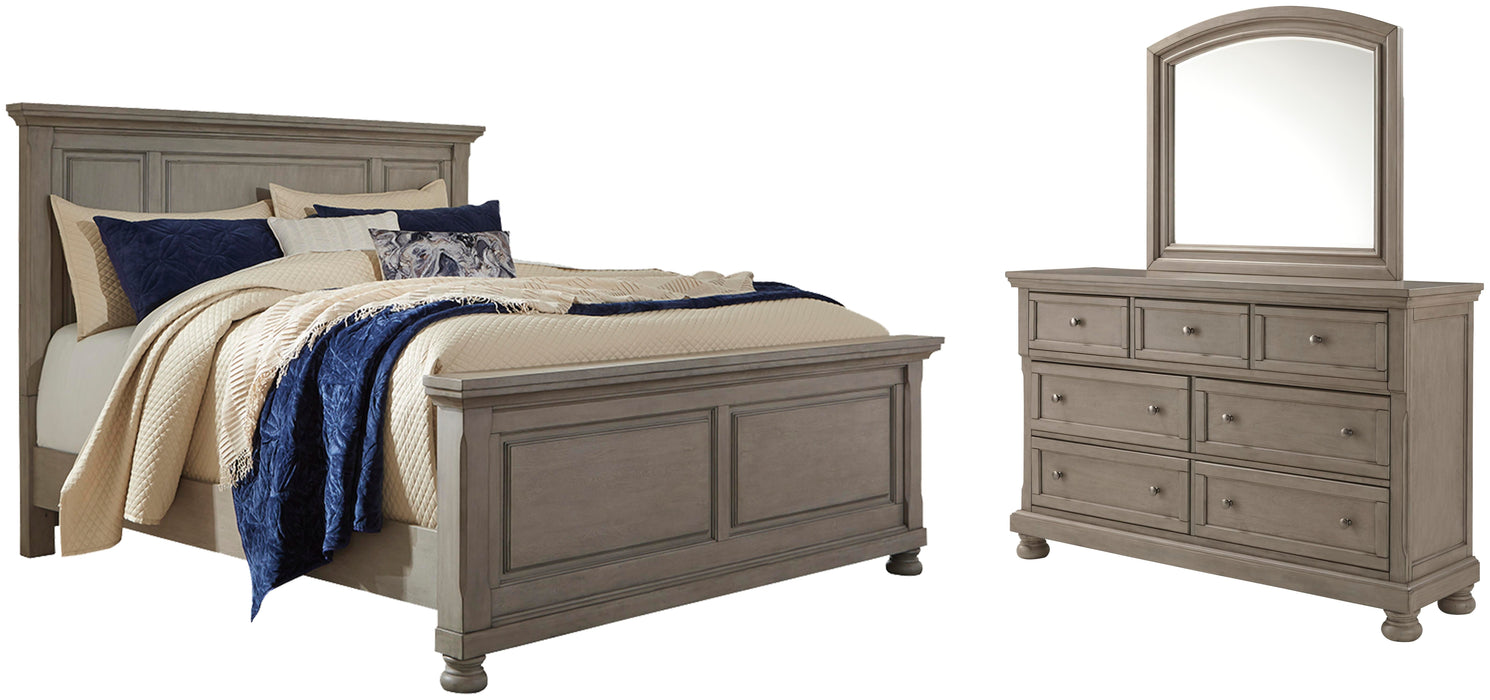
Best Bed Types for Small Bedrooms
The bed is the largest item in the room and will dictate all other furniture choices. In rooms under 120 square feet, low-profile, storage-integrated, and multi-functional beds are your best options. Whether you sleep alone or share the space, explore options like storage beds, platform beds, daybeds, or loft beds. Don’t push the bed size larger than necessary; choosing a full instead of a queen can reclaim crucial walkway inches.
Storage Beds and Ottoman Beds
Storage beds with built-in drawers (typically 4-6 units) and ottoman beds with hydraulic lift-up mattresses are ideal for small bedrooms lacking closet space. They conceal 20-40 cubic feet of linens, off-season clothes, and shoes, eliminating the need for a separate large dresser and saving 4-6 square feet of floor space.
The trade-offs: you need 24-36 inches of side clearance for drawers to fully extend, and these frames are heavier (150-250 pounds), which complicates moves. Position the storage side away from walls in an 8-by-10-foot room so drawers can open completely. Check ceiling height in attic rooms before choosing an ottoman style.
Platform Beds and Low-Profile Frames
Simple platform beds without bulky headboards or footboards help a small bedroom feel more open. Frames with slim legs (4-6 inches in diameter) allow light to pass underneath, making floors visible and the room less crowded. This visual trick can expand perceived space by 15-20%.
Pair platform beds with shallow rolling bins (12-16 inches high) for 10-15 cubic feet of storage if you don’t want built-in mechanisms. Low-profile frames work particularly well under sloping ceilings in attic bedrooms where vertical space is tight.

Daybeds and Sofa Beds for Flexible Rooms
Daybeds work brilliantly in very small multi-use bedrooms, home offices, or guest rooms that double as additional living areas. A daybed along the long wall in a 9-by-10-foot room can function as seating during the day and a bed at night, freeing 10 square feet of traffic flow compared to dedicated beds.
Pull-out sofa beds reclaim floor space when folded, but need 60-80 inches of clearance when opened, which is often unfeasible in tight rooms. Style a daybed with 3-5 layered cushions (18-24 inches total depth) and drawers below to create a sofa-like feel while maintaining bedroom functionality.
Loft Beds, Bunk Beds, and Futon-Style Sleeping
Loft beds and bunk beds are ideal when ceiling height allows (8.5+ feet), especially in rooms around 7-by-10-feet shared by two people or used as a studio-style space. Elevating sleep 5-6 feet frees 20-30 square feet below for a desk (36-by-24 inches) or lounge area.
A futon with a foldable 4-6 inch mattress can roll into a 2-by-3-foot bundle for zero daytime footprint, perfect for studio life. Safety demands guardrails (30+ inches high), ladders within 12 inches of bed edge, and 36-inch headroom above top bunks per CPSC standards.
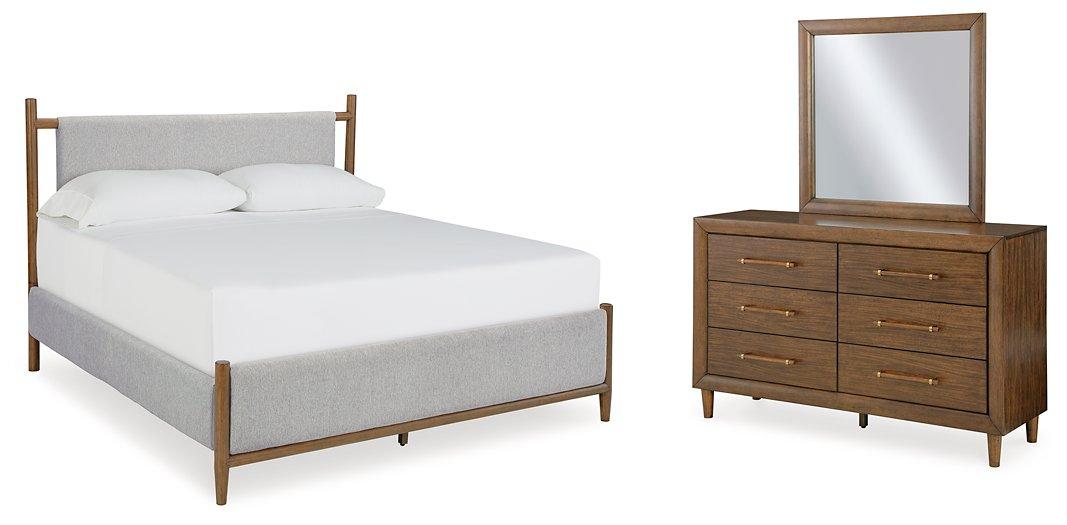
Space-Saving Storage Furniture That Actually Fits
Traditional deep dressers (18-24 inches deep) can protrude 20-30% into small rooms, overwhelming the space. The best storage furniture for small bedrooms is tall, narrow, and often built-in or wall-mounted. Vertical dressers use height rather than width to organize items, and using tall, narrow dressers instead of wide chests maximizes vertical storage without occupying excessive floor area. Research shows vertical storage increases capacity by 25% in rooms under 100 square feet. Focus on tall wardrobes, stacking drawers, and high-level shelving near the ceiling.
Wardrobes, Armoires, and Clothing Racks
A tall, narrow wardrobe (24 inches deep, 30-36 inches wide) outperforms wide, low alternatives by fitting single-person needs in 4-6 square feet versus 12+. Built-in wardrobes along one entire wall in very small rooms eliminate freestanding pieces entirely.
Open clothing racks work as lightweight alternatives in rental homes where built-ins aren’t possible, paired with storage boxes below and a shelf above. Keep visible clothes color-coordinated to reduce visual clutter by 30%.
Chests of Drawers and Bedside Storage
A tall, slim chest of drawers (18-24 inches wide, 40-50 inches high) can replace two low dressers. Use a narrow 3-4 drawer chest beside the bed to combine clothes storage and nightstand functions in one piece.
Wall-mounted floating drawers (12-16 inches deep) save floor space entirely where room beside the bed is very limited. Choose pieces with clean lines and flush pulls to avoid catching on clothing and to visually simplify the room.
Under-Bed and Over-Door Storage
Low rolling boxes (16-20 inches high, 30-by-36 inches) or vacuum bags compress items 50-70%, maximizing under-bed space. Over-door rails and hanging organizers handle bags, scarves, and shoes (20-30 pairs) when closet space is minimal.
Keep under-bed storage labeled to make seasonal rotation easier. Matching storage containers help the room look calmer, even when space is packed, acknowledging that clutter can triple perceived smallness.
Working Surfaces: Desks, Dressing Tables, and Multifunction Pieces
Many people need either a workspace or a vanity area in the bedroom, even when space is tight. Multi-purpose pieces, desk-vanity combos, wall-mounted desks, and fold-out tables work best. Convertible desks, such as foldable models, offer dual-function use and save space, making them ideal for small bedrooms. Choose shallow furniture (16-20 inches deep) along the longer wall to maintain a walkway, and select a compact stool that tucks fully under the table.
Floating Desks and Wall-Mounted Tables
A wall-mounted desk or fold-down table acts as a workspace by day and folds away at night. Position under a window or beside the bed in a 9-by-9-foot room to avoid blocking circulation. Add a shallow wall shelf above for books instead of a freestanding bookcase. Manage cables to keep the area uncluttered.
Desks and Dressing Tables That Double as Nightstands
A narrow desk (16-20 inches deep) beside the bed functions as both a nightstand and a work surface. Add a small set of drawers under one side for work items, keeping the top 70% clear. This design works perfectly where one side of the bed touches the wall, and the other side hosts the desk.
Light, Storage, and Surfaces: Nightstands and Bedside Alternatives
Traditional wide nightstands often don’t fit when the bed nearly spans wall to wall. Compact options include narrow tables, wall-mounted shelves, and headboard storage. Even the tiniest sanctuary needs at least a small landing spot for a phone, water, or a book.
Wall-Mounted Shelves and Sconces
Floating shelves on either side of the bed replace full nightstands when floor space is limited. Wall-mounted sconces (6-8 inch projection) supplant table lamps, keeping surfaces clear. Position shelves 6-12 inches above mattress height, routing cables behind walls for a clean look.
Headboards with Built-In Storage
Headboards with shelves, cubbies, or hidden compartments add storage without extra floor pieces. In particularly narrow rooms, integrated headboard shelves can replace separate bedside tables entirely. Choose designs no deeper than 8 inches so the bed doesn’t protrude too far into the room. Use boxes within cubbies to avoid cluttered visuals.

Furniture Layout Tips for Small Bedrooms
Furniture choices and placement work together to make a small room comfortable. Place the bed first as the anchor, then fill in storage and work surfaces around it. Common layouts include: a bed centered on the short wall with pathways on both sides, a bed in a corner to open more floor space, or a bed under a window when necessary. Maintain at least one clear walking path of 24-30 inches.
Single-Occupancy Small Bedroom Layouts
For a single person in a 9-by-10-foot room, try this type of layout: full-size bed against one wall, one tall wardrobe opposite, one combined desk-nightstand beside the bed. Center the bed if the door is centered; push to one side otherwise. Place the tallest furniture opposite or beside the bed, not at the foot, to avoid a boxed-in feeling.
Shared and Guest Bedroom Layouts
For two people sharing, consider narrow twin beds with shared central storage, bunks, or a loft plus a standard bed. A small guest bedroom that doubles as an office works well with a daybed along one wall, a wall-mounted desk opposite, and a slim storage cabinet. Keep circulation clear for nighttime trips and luggage in guest spaces. Matching furniture finishes makes multiple pieces feel cohesive.
What to Avoid in Small Bedroom Furniture
Avoiding common mistakes can instantly make a small bedroom feel larger. Skip oversized beds (queens in under 100 square feet cut walkways below 20 inches), deep dressers blocking 30% of space, heavy canopies shrinking height visually, and too many small tables fragmenting floors. Don’t buy a full bedroom set with matching bulky pieces; mix a few slim, well-chosen items instead. Visual heaviness from dark, shiny, or ornate furniture can be as problematic as physical size.
Finishing Touches: Color, Light, and Decor That Support Your Furniture Choices
Decor decisions can make small-bedroom furniture look lighter, and the room feel more open. Light or mid-tone wall colors reflect 60-80% of light versus dark’s 20-40%. Mirrors, especially a full-length mirror on the wardrobe door, can visually double perceived depth.
Choose a few larger decor items instead of many tiny ones to avoid a cluttered look. These finishing touches connect your compact, multi-functional furniture into a cohesive design that serves your life without overwhelming your home. Incorporating earthy color palettes can give your bedroom an earth tone makeover, while indoor plants can breathe life into a small bedroom space. Continue exploring ideas that fit your space, read up on vertical storage solutions, and share your questions with others who’ve lived in small rooms. Subscribe to home design resources to stay informed, and when you’re ready to buy, you’ll have the information to create a bedroom that truly works.
Shop Bedroom Furniture at Curly's Furniture Today

Upgrade your space with bedroom furniture at Curly's Furniture today and create a room that’s comfortable, organized, and perfect for rest and relaxation. The right bed, dresser, and nightstands can make your bedroom more functional while also giving it a clean and welcoming look. Curly's Furniture offers bedroom furniture designed to fit your space, your style, and your everyday routine.
Now is the perfect time to refresh your bedroom and improve your comfort at home. Shop bedroom furniture at Curly's Furniture now and create a space where you can relax, recharge, and start and end your day comfortably.