
Why Living Room Furniture Plays a Bigger Role Than You Think

Key Takeaways
-
Living room furniture silently shapes your daily routine, comfort, and social connection far more than wall color or decor ever will. It acts as the backbone of a home, defining both atmosphere and functionality.
-
The way you arrange a sofa, chairs, and a coffee table can change how easily people talk, relax, and move through the room. Seating facing one another improves communication, while scattered layouts push people apart.
-
A good furniture layout supports well-being by reducing stress, clutter, and visual noise, which is especially critical in modern living where screen hours are high.
-
The right pieces and smart furniture arrangement strategies can make even small spaces feel calm, generous, and surprisingly capable.
-
You will learn practical layout tips, how to choose core living room furniture, and when it makes sense to invest in high-end furniture versus when to save.
Introduction: More Than Just a Pretty Sofa
It is 2026. You walk in after a long day, drop your shoes by the door, set down your bag, and collapse onto the couch. Within seconds, you know whether the room is helping you decompress or adding to the noise. That feeling is not random. It is furniture.
Living room furniture defines a home's atmosphere and functionality. It affects daily habits, posture, screen time, and how often the people in your household actually talk to each other. Yet most conversations about living rooms focus on paint swatches, pillows, and decoration trends instead of the pieces that occupy the most square footage and get the most daily use.
This article focuses on the concrete elements: sofas, coffee tables, storage, and furniture layout. Every section offers actionable guidance for arranging furniture in rooms of different sizes, especially small spaces. Whether you are furnishing your first apartment or upgrading to a more capable living space, the same principles apply.
The Hidden Power of Living Room Furniture in Daily Life
The living room is the command center of the home. It is where most waking, non-working hours are spent: streaming, reading, talking, and sometimes just sitting in silence. Furniture shapes daily habits and routines in ways most people never stop to notice.
Seating choices quietly decide where you put your laptop, where kids end up playing on the floor, and where guests naturally sit. A poorly placed sofa or a too-small coffee table creates a cascade of small frustrations: nowhere to set a mug, tripping over bags near the entry, or twisting awkwardly to reach a remote. Comfort affects how often the room is used, and furniture dictates how the space is used. Improperly placed furniture can lead to a chaotic room feel, even if every single piece is beautiful on its own.
Research published in the Journal of Environmental Psychology found that furniture placement influences social interaction, solitude, and hosting behaviors in living rooms, independent of room dimensions. Two identically sized rooms with different layouts can produce opposite emotional responses: one feels chaotic and draining, the other feels calm and supportive. The difference is not decor. It is where the sofa sits and how much space exists between pieces. Furniture choices significantly influence emotional well-being, and that influence compounds over weeks, months, and years.
The Core Living Room Furniture That Shapes the Space
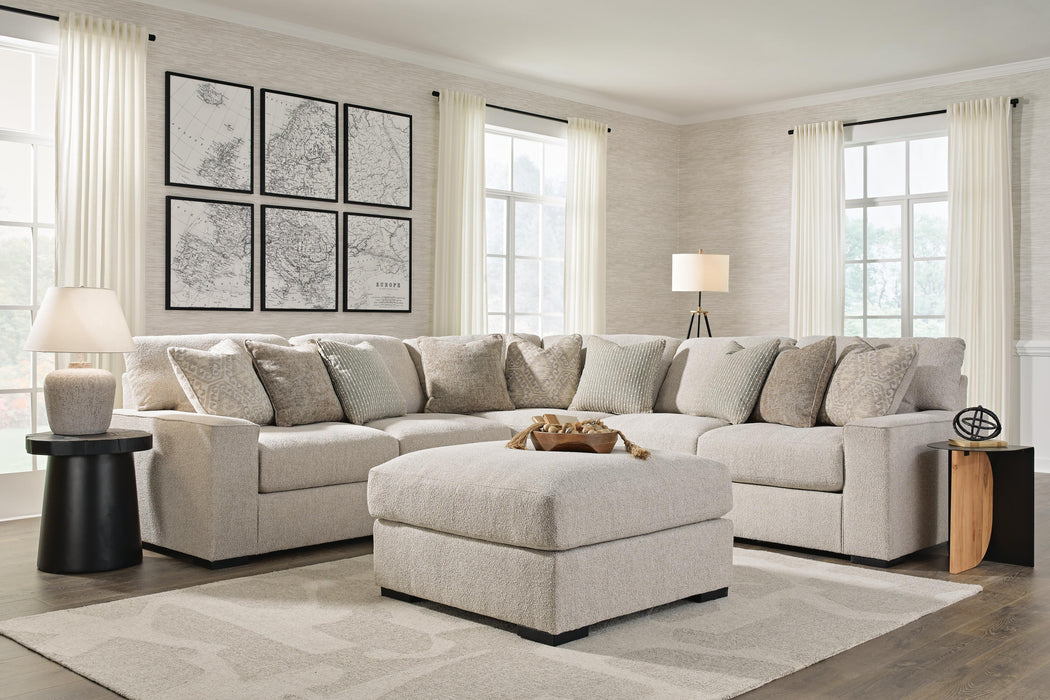
A few key pieces quietly define how the entire room works, regardless of what hangs on the walls. Living room furniture acts as the backbone of a home, and getting these anchor pieces right matters more than any single piece of decoration.
The essentials include:
-
Sofa or sectional
-
One or two accent chairs
-
Coffee table
-
Side tables
-
Storage or media console
-
Layered lighting (floor lamp, table lamp)
These anchor pieces decide walking paths, conversation zones, and where clutter naturally builds up. Starting with these core items creates a reliable foundation before adding a bench, extra cushions, or decorative objects. Think of each object as part of a connected system, not a series of separate purchases.
The Sofa or Sectional: Anchor of the Room
A comfortable sofa is the main seating anchor. It is the largest object in most living rooms and usually the first thing people notice when they enter. Large pieces like sofas dictate the room's overall color palette. If your sofa is navy, the rest of the room tends to follow.
Standard sofa widths range from roughly 140 cm for a compact two-seater to over 230 cm for larger models, with depths typically between 80 and 100 cm. Those numbers determine how many people can comfortably sit, where the coffee table can go, and how much floor remains for circulation. In small spaces, a slimmer sofa often works better than an oversized sectional that blocks walkways.
Keep at least 30 to 36 inches clear behind and beside the sofa for easy movement. The sofa's style subtly sets the tone: sleek lines for modern living, soft edges and softer curves for a more relaxed, comforting feel. Selecting appropriately sized furniture maximizes space and functionality.
Accent Chairs and Additional Seating
Accent chairs provide additional seating and comfort without turning the living space into a cluttered waiting room. Place one or two chairs across from or angled toward the sofa to create a natural talking circle. The distance between seats affects conversation and social connection; roughly 2 to 3 meters between facing seats keeps talking comfortable without shouting.
Swivel chairs or open-legged chairs are ideal for smaller rooms because they feel lighter and are easier to shift. The mix of sofa and chairs affects whether the room encourages shared time or defaults to everyone facing the TV only. Match seat heights within a few centimeters so conversation feels balanced, and people can sit at eye level.
Coffee Tables: Small Piece, Big Impact
A coffee table often gets overlooked, but it controls comfort, safety, and how "finished" a living room feels. Coffee tables serve as a central surface for drinks and decor.
Ideal height sits roughly level with or slightly lower than the sofa seat. Keep about 40 to 45 cm between the sofa edge and the table so people can move their legs and stand up easily. For shape, rectangular tables suit long sofas, while round or oval options work better in tighter corners because rounded furniture shapes feel more welcoming than sharp angles and soften traffic paths.

A table with a shelf or discreet storage helps reduce the pile-up of remote controls, chargers, and magazines in view.
Side Tables and Storage Pieces
Side tables provide functional surfaces for lamps and essentials. They prevent the classic "drinks on the floor" problem and reduce spills, especially around kids and pets. Place at least one within easy reach of the main seating area and keep the top roughly at armrest height so reaching does not require lifting or twisting.
A media console helps organize and store living room items: cables, routers, gaming equipment, and the small cabinet of remotes every household seems to accumulate. Choosing pieces with storage creates a calm, tidy space. Use closed storage for visual calm and a few open sections for books or display to avoid a heavy, boxy look. Furniture can maximize hidden storage in living spaces, making nightly clean-up faster and keeping surfaces clear. This directly supports well-being.
Furniture Layout: How Arrangement Changes Everything
Arranging furniture has as much impact as the pieces themselves. A good layout starts with clear walkways and seating arrangements. Thoughtfully placed furniture guides foot traffic in a room, and thoughtful layout choices improve movement through the room. Good furniture design ensures accessibility for movement.
Plan around three anchors:
-
The main seating area
-
The focal point (TV, window, or fireplace)
-
The primary walkway
A reliable furniture layout should make it easy to walk from the entry to seating without zigzagging. Layout can either support conversation and relaxation or push everyone apart. Before moving heavy pieces, sketch the room on paper or use a simple digital planner to test options.
Creating Conversation-Friendly Zones
Group the sofa, chairs, and coffee table into a defined "island" rather than scattering pieces to the walls. A conversation-focused seating layout creates a welcoming environment. Properly arranged furniture encourages conversation, and furniture placement can create natural gathering spots.
-
Keep seats within comfortable speaking distance (about 2 to 3 meters).
-
Angle chairs slightly inward to encourage eye contact.
-
Use a rug roughly matching the footprint of the seating zone to visually anchor the group.
Furniture establishes visual balance in a room. Even in long, narrow living rooms, you can create one main conversation zone and a small reading corner instead of one long row of furniture.
Balancing TV Viewing and Human Connection
Many living rooms revolve around a TV, but layout choices decide whether the room still supports real conversation. Place the main seat facing the TV or fireplace for balance, while keeping at least one chair or recliner angled more toward the room's center.
For viewing distance, a common guideline is 1.5 to 2.5 times the screen's diagonal for modern 4K sets. A 55-inch screen works best with the sofa roughly 7 to 11 feet away. Mount the center of the screen at about 40 to 42 inches from the floor to match seated eye level. Too high above a fireplace, for instance, causes neck strain over time. Furniture placement dictates patterns and room openness.
Movable pieces like poufs or light chairs can slide closer for big events and tuck away later, keeping the layout flexible.
Working With Small Spaces and Open Plans
A small living room works best with one sofa and one additional seat. Use compact sofas, a single accent chair, and a slimmer coffee table or storage ottoman. Avoid overcrowding by leaving space to walk and open drawers. Aim for 30 to 36 inches of clear walkway in main paths.
For open-plan living and dining areas, the back of a sofa, a console table, or a rug edge can mark where the living zone starts and the dining area begins. Furniture arrangement creates partitions in open spaces without walls. Walking paths in open layouts should feel obvious, not like a maze between furniture legs. Keep at least one side of the seating area open for smooth movement between the kitchen, dining, and living zones. Furniture can influence the perception of space significantly.
Designers increasingly warn against pushing all furniture to the perimeter, which accentuates boundaries and makes the room feel constricted rather than opening it up.

How Living Room Furniture Affects Comfort and Well-being
Furniture contributes to emotional well-being and relaxation. Clutter, awkward seating, and poor lighting increase low-level stress that builds over time. Well-chosen living room furniture supports daily recovery, quality time with family, and a sense of security and control over the home. Comfort is tied to a sense of safety in furniture design; when the body feels supported, the mind can rest.
Modern living often means more screen hours, so supportive seats and healthy viewing distances matter for long-term health. Furniture determines if a room feels luxurious, cozy, or minimalist.
Posture, Support, and Relaxation
Seat depth, cushion density, and back height influence whether someone feels rested or stiff after an evening on the sofa. Ergonomic guidelines recommend seat heights around 40 to 45 cm and seat depths of 60 to 70 cm to let most people sit with feet flat on the floor without slumping. Ergonomic seating supports proper posture, and furniture that supports natural posture enhances emotional comfort.
Mix-and-match cushions can subtly adjust support for different body types. Well-placed armrests and side tables reduce the twisting and reaching that strain shoulders and neck after a long day. Consider your actual daily use: reading, gaming, working on a laptop, or simply trying to relax, before choosing a sofa or chairs.
Visual Calm, Clutter, and Emotional Load
Cluttered spaces increase stress and anxiety levels. Research shows that women in cluttered homes exhibit significantly elevated cortisol. Too many small tables, decor items, and exposed cables make a room feel busy and tiring.
Use a few larger, functional pieces-a solid coffee table, an enclosed console-to hide everyday items quickly. Stick to a simple color palette for larger furniture to create a sense of unity. Clear surfaces and simple lines help the brain rest because there is less to process visually. In homes with kids or shared living situations, hidden storage is essential for fast nightly resets. Personal touches, like a few books or a plant, can add warmth without creating noise.
Light, Materials, and Mood
Lighting is essential for creating a comfortable atmosphere. The placement of a floor lamp and table lamps on side tables shapes how warm and inviting the room feels after sunset. Mix at least two lighting types-overhead plus lamps-so the living room can shift from energetic to calm.
Natural materials like wood add warmth and comfort. Upholstery and fabrics evoke emotion and comfort in living spaces: a wool throw, cotton cushions, or a linen sofa cover change how a room feels to the touch. Soft textures and personalized design elements enhance inviting spaces. Cool tones like blue and green create calm atmospheres, while warmer tones energize.
Mixing materials in furniture makes the space warmer and visually interesting. A glass coffee table paired with a soft rug or upholstered seating can balance modern style with comfort. Mixing materials creates balance and a welcoming environment. Furniture sets the color palette and style of a room, so choose wisely for pieces you will live with daily.
Making the Most of Any Size Living Room
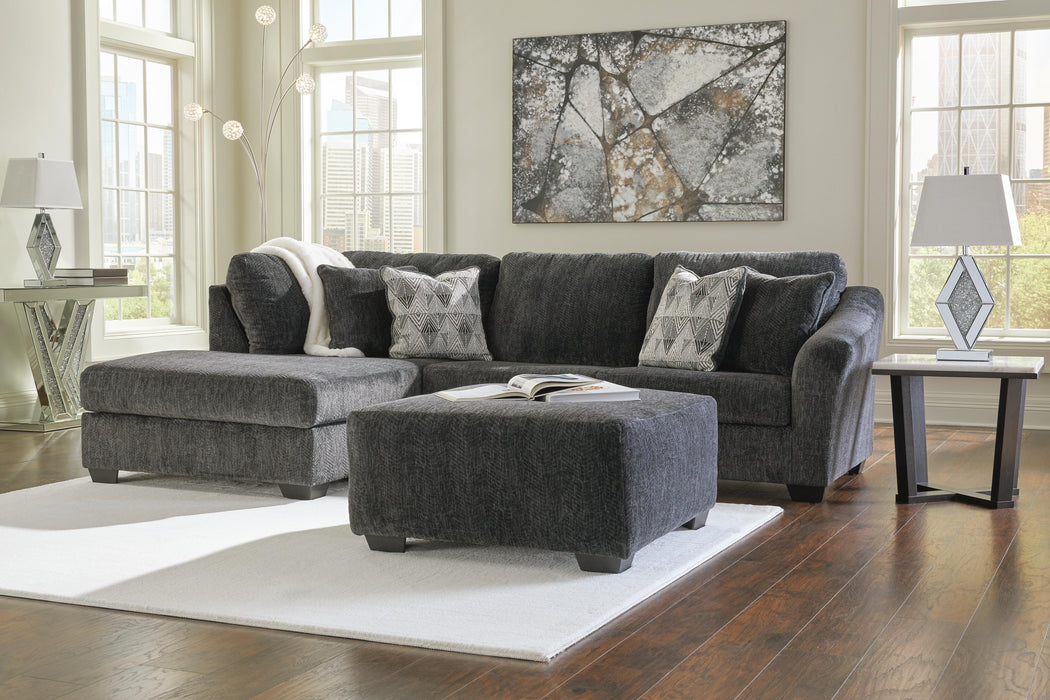
Not every home has a large living area, but a good furniture layout can make even compact rooms feel generous. The strategy shifts slightly for small, medium, and large rooms, but core principles stay the same: clear paths, right scale, and focused zones. Prioritize function first, then layer decor once essential seating and surfaces work well.
Small Living Rooms and Studio Spaces
A simple formula works: one compact sofa, one additional seat, and a slim coffee table or storage ottoman. Choose furniture with raised legs to show more floor and keep the room feeling light. Wall-mounted shelves or a narrow console can double as both storage and display without eating up extra space.
Avoid bulky recliners or oversized sectionals that lock the room into a single layout. A foldable or nesting coffee table can expand for guests and tuck away for everyday life. You do not need expensive furniture to make a small room work; you need the right scale and planning.
Medium-Sized Family Living Rooms
A common setup includes one full-size sofa, two accent chairs, a central coffee table, and a media console. Place furniture to allow kids to move safely between seating and play areas. Add at least one piece with hidden storage-an ottoman or console-to manage toys, games, and blankets.
Leave a main walkway at least 80 to 90 cm wide from the door to the sofa for easy daily movement. Flexible pieces like stools or poufs can serve as extra seating for gatherings without living out all the time. This kind of room benefits from a balance between enough space for the family and a layout that still feels elegant and intentional.
Large and Open-Plan Living Rooms
Break large rooms into zones: a primary seating area, a reading corner, or a small workspace instead of one oversized arrangement. Anchor each zone with an element such as a rug, console, or pair of chairs facing each other. Avoid pushing every piece against the walls, which makes the center feel empty and impersonal.
Use a larger sectional or two sofas facing each other if the room dimensions support it. High ceilings and large rooms often benefit from taller furniture pieces like bookcases to bring visual balance. In open layouts, the living room flows into the dining table and kitchen zones, so use furniture to create clear transitions.

When to Invest in High-End Furniture (and When Not To)
Not every one piece has to be expensive furniture, but some are worth upgrading for long-term comfort and durability. High-end furniture typically offers better frame construction, good quality fabric, and ergonomic design, which matters for daily-use pieces.
Where to spend more:
-
Sofa or main seating (you sit on it every day)
-
Primary coffee table (it takes the most wear)
-
Main chair or recliner
Where to save:
-
Cushions, pillows, and throws (easy to replace)
-
Accent tables and decorative lighting
-
Smaller accessories and bedroom items, like a mattress topper versus a new bed
A single well-made anchor piece can elevate the entire room's sense of quality and suit your lifestyle for years, even if the supporting items are more budget-friendly.
Durability, Sustainability, and Feel
Quality furniture provides long-term value. A sturdy sofa frame, resilient upholstery, and good-quality suspension will outlast multiple cheaper replacements. Materials influence furniture maintenance and durability. Well-made coffee tables and a small cabinet feel more solid and safe, especially in households with children.
Check stitch quality, drawer slides, and table stability as quick indicators of build. Investing in better materials also reduces waste over time since pieces do not need constant replacement. A few durable, well-chosen pieces create warmth, stability, and calm that support long-term well-being and relaxation. Think of it like choosing a good bed: you spend a third of your life asleep, and you spend most of your waking hours in the living room. Both deserve real investment.
The clear signs that it is time to replace are sagging cushions, squeaking frames, and wobbly surfaces. Until then, a well-made piece earns its cost back many times over, letting you sleep and rest easier knowing your home works the way it should. A thoughtful approach to planning your living space creates a lifestyle where your food tastes better, your evenings feel longer, and your sense of security at home deepens.
FAQ
How far should my sofa be from the coffee table?
Aim for a gap of roughly 40 to 45 cm between the front edge of the sofa and the coffee table. This lets people stretch their legs and stand up without bumping their shins. Less space makes the room feel cramped, while too much forces uncomfortable leaning to grab a drink or remote. Test by sitting down and reaching for an imaginary glass to check if the distance feels natural.
Can I mix different furniture styles in one living room?
Yes, as long as there is consistency in color palette, scale, or materials. Choose one dominant style, say, a modern sofa and chairs, and add a few contrasting pieces like a vintage coffee table or wood sideboard. Repeating at least one element, such as a timber tone or metal finish, helps the mixed styles feel intentional rather than random. Rounded furniture shapes feel more welcoming than sharp angles, so mixing a few curves in with straight lines adds warmth.
How do I stop my living room from feeling like a corridor?
Long, narrow rooms feel like hallways when furniture hugs the walls and leaves a strip down the middle. Pull the couch and chairs slightly away from the walls and use a rug and coffee table to create a central seating island. A narrow console or bookshelf on one long wall adds purpose and breaks the corridor effect.
What is the best way to update my living room on a small budget?
Start by rearranging furniture for better flow and decluttering surfaces, which costs nothing and can greatly affect how the room feels. Next, replace or add a key piece like a coffee table, side table, or lamp. Updating textiles-cushions, throws, and a rug-can refresh existing sofas and chairs without the expense of replacing them. Even adding a few personal touches, like framed photos or a plant, changes the atmosphere.
How often should I replace my living room furniture?
Well-made sofas and armchairs can last 8 to 15 years. Cheaper pieces may need replacing sooner. Clear signs it is time: sagging cushions, squeaking frames, wobbly coffee tables, or pieces that no longer suit your family's routines. Start with the most-used item, often the sofa, when planning a phased update to avoid major disruption and spread costs across time.
Discover Living Room Furniture at Curly's Furniture

Refresh your home with Living Room Furniture at Curly's Furniture, where comfort meets style. Whether you're looking for cozy sofas, comfortable sectionals, stylish recliners, coffee tables, or complete living room sets, you'll find quality furniture designed to make your space both functional and inviting.
Visit Curly's Furniture today to explore our Living Room Furniture selection and find pieces that complement your home and lifestyle. Our friendly team is here to help you choose furniture that delivers lasting comfort, timeless appeal, and exceptional value for every room.