
What Firmness Level of Mattress Is Best for Side Sleepers
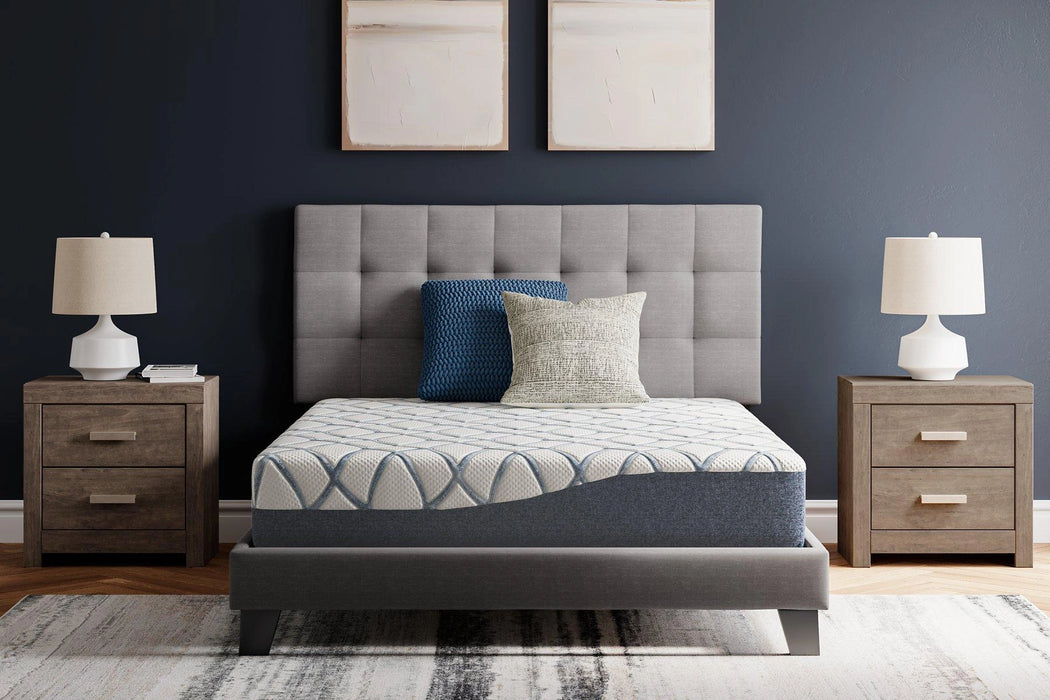
Medium-firm mattresses in the 5-7 range on a 10-point scale suit side sleepers best. Side sleeping concentrates pressure on the shoulder and hip. A 2025 NapLab survey of 70,000 people found 86% sleep on their side at least part-time, making proper contouring and spinal alignment essential purchase factors, not optional comfort upgrades.
Key Takeaways
-
Side sleepers comprise 86% of people surveyed in a 2025 NapLab study of 70,000 individuals.
-
Side sleeping concentrates pressure on the shoulder and hip, causing pain without proper mattress support.
-
Medium-firm mattresses provide optimal support for side sleepers by accommodating concentrated pressure points effectively.
-
Proper mattress firmness prevents morning shoulder pain, hip pain, and lower back stiffness in side sleepers.
Why Does Sleep Position Affect Mattress Choice?
Sleep position determines which parts of the body carry the most pressure overnight, and that pressure load dictates how firm or soft a mattress needs to be. Side sleepers face a different challenge than back or stomach sleepers. A single sleep position changes where the body needs cushioning versus support. Ignoring this distinction leads to a mattress that fights the body instead of supporting it.
Most shoppers fall into this category without realizing how common it is. A 2025 survey of 70,000 people found that 86% sleep on their side at least part of the night, making it the most widespread sleep position by a wide margin. That statistic matters for mattress shopping: a bed built mainly for back sleepers will underperform for the vast majority of buyers.
Why do shoulders and hips need extra attention on a mattress?
Side sleeping concentrates body weight on two narrow points, the shoulder and the hip, more than any other position. Without enough give in those areas, pressure builds, circulation gets restricted, and stiffness or numbness often follows by morning. A mattress needs enough contouring at these points to keep the spine level from neck to tailbone, rather than letting the hips sink lower than the shoulders or vice versa.
Curly's Furniture, based in Streator, Illinois, works with shoppers evaluating exactly this kind of fit before committing to a mattress. Collections at the store, mattresses included, are curated around a balance of:
-
Quality construction that holds up to nightly pressure points
-
Comfort tailored to different sleep positions
-
Value across a range of price points
Matching mattress firmness to sleep position isn't a cosmetic preference. It's a structural decision that affects spinal alignment every single night.

What Firmness Range Works Best for Side Sleepers?
A medium-firm balance, not a purely soft surface, delivers the best results for side sleepers. Extra-plush beds feel inviting in a showroom. Excess sink pulls the spine out of alignment overnight, trading one problem for another. Pressure relief still matters at the shoulder and hip. The real target is a mattress that cushions those two points without letting the midsection collapse.
Is a softer mattress always better for side sleepers?
No. Softness helps ease pressure at the shoulder and hip, but too much give creates a hammock effect through the torso. The spine needs to stay level from neck to tailbone, not curve downward at the middle. A mattress that's too soft undermines the same alignment it's supposed to protect.
How do shoppers know if a mattress firmness fits their needs?
The shoulder and hip should sink in just enough to relieve pressure. The rest of the body stays supported and level. Lying down and checking whether the lower back feels apartment, not arched or sagging, is a practical test. If either area sinks too far or not far enough, the firmness level is wrong for that sleeper.
Shoppers at Curly's Furniture can work through this comparison in person rather than guessing from a spec sheet online. The showroom floor allows customers to:
-
Browse the collection and compare styles and finishes side by side
-
Test different firmness levels directly, rather than relying on marketing labels
-
Notice how quickly a mattress responds when shifting from back to side
Firmness preference varies by body type and sleep habit, so no single number works for everyone. Staff at Curly's Furniture are available to offer a second opinion for shoppers who remain unsure which firmness level suits their frame and sleep style best. cite-3
How Does Body Weight Change Firmness Needs?
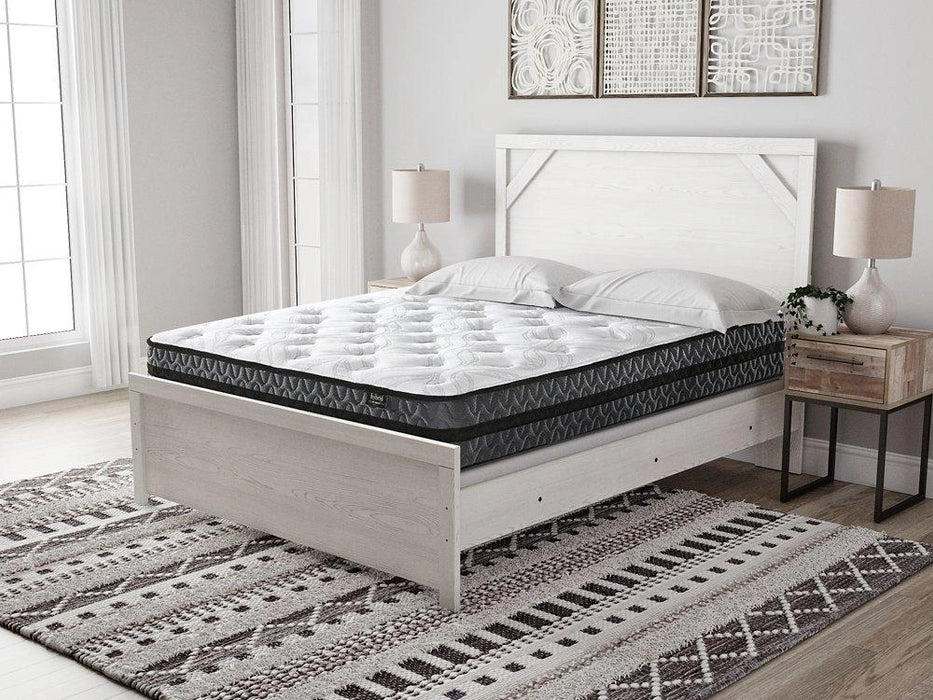
Body weight shifts how deep a sleeper sinks into any given mattress, which changes the firmness that actually feels supportive. Heavier side sleepers sink further into the same mattress than lighter sleepers do. A level that feels plush to one shopper may feel firm to another. A dependable side-sleeper guide accounts for this by sorting recommendations across mattress type, firmness level, and body weight rather than treating firmness as one-size-fits-all.
That breakdown matters because the shoulder and hip carry most of the pressure load during side sleeping. Weight changes how much cushioning those areas need. Curly's Furniture applies a similar logic across every furniture category: match the piece to how it will be used and by whom. A mattress works the same way. A 130-pound side sleeper and a 230-pound side sleeper are not shopping for the same firmness, even if they like the same brand or style.
Does a heavier person need a firmer mattress?
Not necessarily firmer overall, but a mattress with stronger support underneath the comfort layer. Heavier sleepers need enough structure to prevent excess sinkage at the hips, which keeps the spine level from neck to tailbone. Lighter sleepers, by contrast, often need softer comfort layers just to get any pressure relief at all.
Before deciding on firmness, shoppers benefit from a few practical checks:
-
Measure the bedroom space and door openings, since a bulkier mattress and frame combination can be harder to move than expected.
-
Consider household use, including guests or pets, when choosing materials and firmness.
-
Ask about financing options on qualifying purchases, since promotional low- or no-interest plans can make upgrading easier regardless of which firmness fits best.

Why Do Shoulders and Hips Need Extra Support?
Shoulder and hip joints carry more concentrated weight than any other contact point during side sleeping. A mattress without adequate cushioning at these two spots leaves side sleepers open to pressure buildup, numbness, and stiffness that shows up in the shoulder, hip, or lower back by morning. That stiffness rarely fades on its own; it tends to compound night after night until the sleep surface changes.
Proper support does more than prevent soreness. Side sleeping, when paired with a mattress that fits the body correctly, supports spinal alignment and may even reduce issues like acid reflux and snoring, according to sleep experts. Poor support cancels out those benefits entirely, turning a naturally healthy sleep position into a source of daily discomfort.
What happens if a mattress doesn't cushion these pressure points?
Contact-point neglect leads to a predictable chain reaction. Pressure builds first, numbness follows, and misalignment sets in as the shoulder or hip sinks unevenly relative to the spine. Customers who wake up with shoulder pain, hip pain, or a stiff lower back often trace the cause directly to a mattress that lacks targeted give at these two zones.
Does the mattress cover matter for support, too?
Cover material affects long-term comfort and cleanliness, not just support. Households with kids or pets benefit from durable, easy-clean materials, a standard worth applying to mattress covers and protectors as well as furniture upholstery. cite-3 A washable, wear-resistant cover keeps the sleep surface performing as intended for years.
Warranty coverage adds another layer of confidence. Most furniture pieces sold by Curly's Furniture, mattresses included, come with manufacturer warranty protection, giving side sleepers assurance that support quality holds up over time. cite-3
What Happens When a Mattress Is Wrong?
Wrong firmness levels cost side sleepers sleep quality long before comfort issues become obvious. A mattress that runs too firm fails to cushion the shoulder. Hip, the two points carrying the most weight in a side-sleeping position. Pressure builds at those contact points overnight, leading to numbness and pain that greets the sleeper the next morning rather than rest.
The opposite problem causes just as much damage. A mattress that sinks too much lets the hips. Shoulders drop below spinal level, pulling the spine out of alignment. Neither extreme delivers what side sleepers actually need: enough give to relieve pressure, enough support to keep the spine level from neck to tailbone.
How can a shopper tell if a mattress firmness is right?
Morning symptoms tell the story. Waking with numb shoulders, sore hips, or a stiff lower back points to firmness that does not match the sleeper's body weight and position. Comparing options side by side, rather than guessing from a showroom sit-test, gives a clearer picture of which firmness range fits.
Curly's Furniture recommends the following when firmness is uncertain:
-
Note where morning discomfort shows up: shoulder, hip, or lower back
-
Compare at least two firmness levels before deciding
-
Ask about exchange or comfort guarantees before purchase
-
Contact the store directly for a second opinion on firmness and comfort level
What if delivery timing affects the decision?
Large purchases like mattresses come with logistics to plan around. Curly's Furniture's shipping and delivery policy lays out expected timelines and delivery windows. Buyers can time a purchase around move-in dates or other schedules. Shoppers can contact the store for a specific delivery quote before committing to a firmness level and size.
Which Mattress Types Work Best for Side Sleepers?
No single construction wins for every side sleeper. Testing teams have evaluated more than 2,000 mattresses to determine which builds actually protect spinal alignment and relieve pressure at the shoulder and hip. That research consistently points to a range of price points and firmness levels rather than one universal answer, since body weight, budget, and personal comfort preference all shift the equation.
Shoppers researching side-sleep support benefit from comparing options rather than settling on the first option they see. Curly's Furniture structures its collections so customers can review finishes. Styles side by side before deciding, an approach that applies just as well to mattress shopping as it does to bedroom furniture. Comparing constructions directly makes it easier to spot which one matches a shopper's sleep needs.
Do brand and construction quality actually matter?
Yes. Curly's Furniture stocks pieces from established manufacturers selected for a dependable balance of quality, comfort, and value. cite-3 That standard extends to mattress selection: a well-built core and durable cover materials hold their shape longer under repeated pressure at the hip and shoulder, which matters most for side sleepers.
What should a side sleeper compare before buying?
A side sleeper narrowing down options should weigh:
-
Firmness level: softer settings near the shoulder and hip, firmer support through the core
-
Price point: options exist across multiple budget tiers, not just premium models
-
Construction quality: materials and build affect how long pressure relief lasts
-
Delivery logistics: confirm setup before purchase
On that last point, Curly's Furniture delivers throughout its local service area and, in most cases, brings the mattress inside and places it where the customer wants it. cite-5 That service removes one more variable from an already detail-heavy decision, letting shoppers focus on firmness and construction instead of logistics.

How Should You Test a Mattress Before Buying?
Testing a mattress properly requires more than lying on it for thirty seconds in a showroom. Side sleepers lose real value when they skip this step. Spinal alignment and shoulder pressure only reveal themselves after several minutes on one side. Sleep specialists and physical therapists are frequently consulted on exactly this question. Pressure at the hip and shoulder behaves differently than pressure felt on the back. Getting the firmness wrong at the point of purchase means living with discomfort for years, not days.
What should side sleepers check before finalizing a mattress order?
Side sleepers benefit from spending real time on each candidate mattress, not just a quick press with the hand. A few practical checks make the difference:
-
Lie on one side for at least five to ten minutes to feel how the shoulder and hip settle in.
-
Check whether the lower back stays level or dips out of alignment.
-
Bring measurements of the bedroom, doorways, hallways, and stairwells, since a mattress and frame that won't clear a tight stairwell creates costly return headaches.
Does Curly's Furniture help with delivery and financing?
Curly's Furniture delivers throughout its local service area and, in most cases, carries the mattress inside and places it exactly where the customer wants it. That service removes the guesswork of maneuvering a bulky mattress through narrow hallways alone.
Budget matters just as much as fit. Shoppers can ask about prequalifying for financing before shopping, which sets a clear budget and narrows the field to mattresses that actually make sense financially. Combining an in-person feel test with confirmed measurements. A set budget keeps the decision grounded in facts rather than guesswork. Exactly the approach a side sleeper needs before committing to a purchase that will shape years of sleep quality.
What Should You Do Before Buying Your Mattress?
Firmness testing matters more than reading a soft-or-firm label before checking out. Side sleepers carry pressure at two points: the shoulder and the hip. And the right mattress lets both sink in just enough to keep the spine level from neck to tailbone. A bed that's too firm leaves gaps under the waist. One that's too soft lets the hips drop and twist the spine out of line. Testing floor models with this in mind, rather than a general firmness number, produces a better match.
How firm should a mattress be for side sleeping?
There's no single firmness score that works for every side sleeper. The better question is whether a specific mattress cushions the shoulder. Hip while the rest of the spine stays supported and straight. A model that passes that test in the showroom is worth serious consideration, regardless of how it's labeled on the tag.
What if I'm still unsure which firmness fits?
Uncertainty is common, and it's worth resolving before delivery day rather than after. Curly's Furniture, located in Streator, IL, keeps staff available to walk shoppers through firmness options and answer specific questions about support and pressure relief. A second opinion costs nothing, and shoppers comparing two or three finalists are encouraged to reach out directly rather than guess.
Before finalizing a purchase, shoppers should:
-
Lie on the mattress in an actual side-sleeping position for several minutes, not just a quick sit-down test.
-
Check whether the shoulder and hip sink evenly, without the lower back arching or sagging.
-
Ask about financing, since qualifying purchases may include promotional low- or no-interest plans that remove cost as the deciding factor.
-
Contact Curly's Furniture with firmness questions before committing to a final choice.
Getting these details right upfront costs a few extra minutes. Skipping them risks months of mismatched sleep.
Selecting the right mattress firmness as a side sleeper requires balancing spinal alignment with pressure relief at your shoulders and hips. Medium to medium-firm options typically deliver the support and comfort necessary for quality rest in this position. By prioritizing your individual preferences and body composition alongside these guidelines, you establish the foundation for restorative sleep and long-term mattress satisfaction.
FAQ
What firmness level works best for side sleepers?
Medium-firm mattresses in the 5-7 range on a 10-point scale suit side sleepers best. This range accommodates the concentrated pressure on the shoulder and hip while keeping the spine aligned.
Why do side sleepers need special mattress support?
Side sleeping concentrates body weight on the shoulder and hip more than other positions. Without proper contouring, pressure builds and restricts circulation, causing stiffness or numbness by morning.
Is a softer mattress better for side sleepers?
No. Softness helps ease shoulder and hip pressure. Too much give creates a hammock effect that pulls the spine out of alignment through the midsection.
Upgrade to the Ultimate Mattress Collection at Curly's Furniture
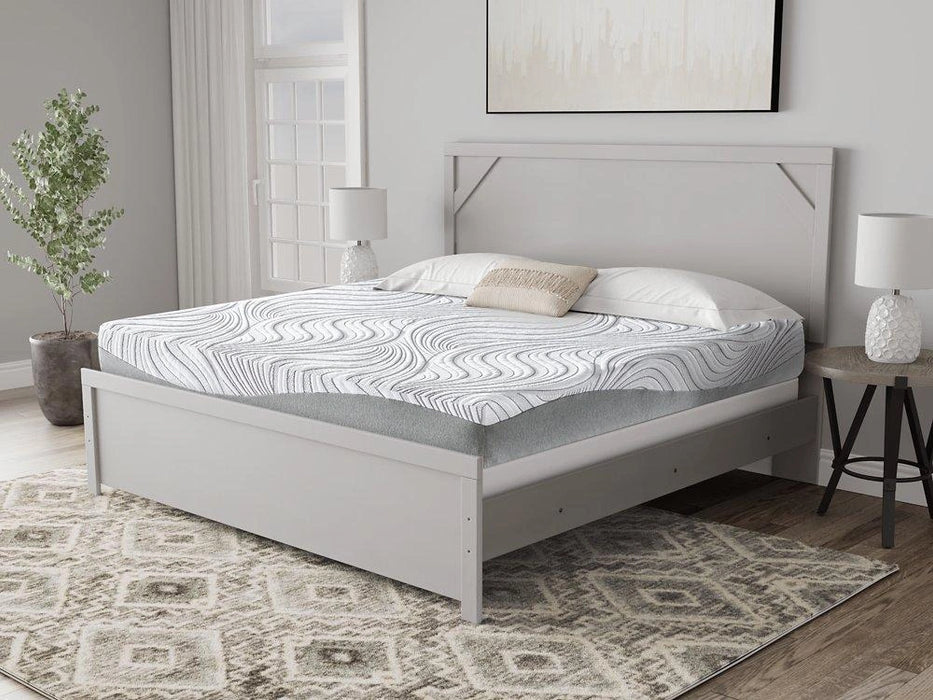
Stop tossing and turning on a mattress that works against you. Curly's Furniture has curated a premium mattress collection designed to deliver the deep, restorative sleep you deserve. From plush pillow-tops that cradle every curve to firm hybrids that support your spine through the night, our selection features top brands and cutting-edge sleep technology at prices that won't keep you up at night.
A better mattress isn't just a purchase; it's an investment in your health, energy, and mood. Don't spend one more morning groggy and aching; visit Curly's Furniture today, test our collection in person, and wake up to a whole new world of comfort.