
The Right Rug Size for Living Room Furniture
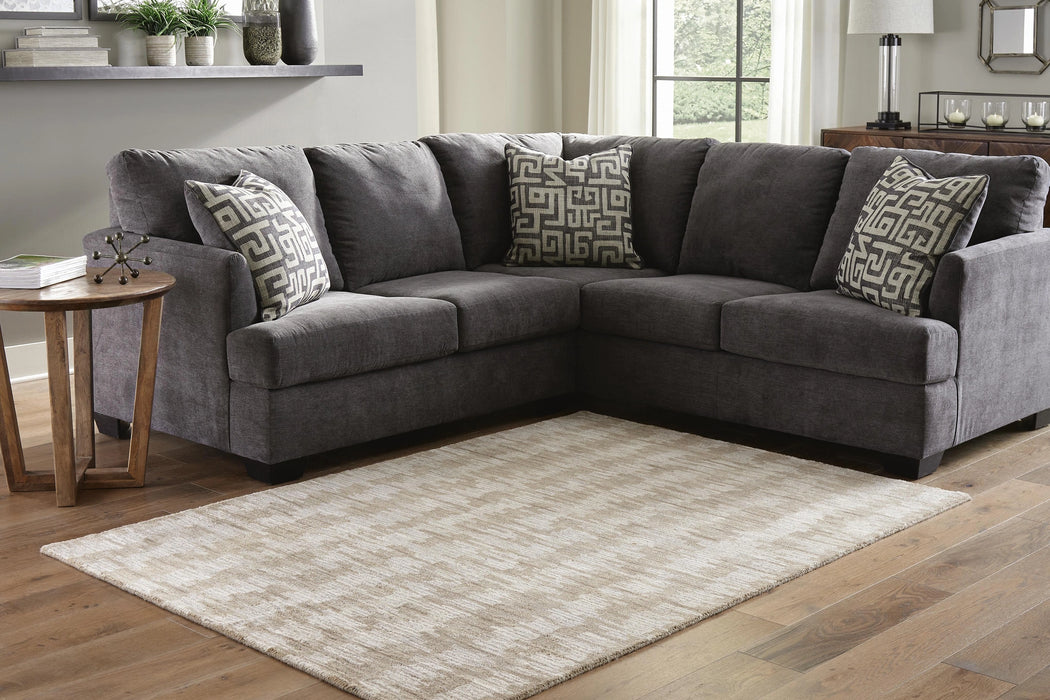
A 10'x14' rug fits a large living room measuring 11.5'x15.5' or larger, leaving 18" to 36" of visible flooring around the edges. At Curly's Furniture in Streator, IL, we recommend letting your seating's front legs rest on the rug for a grounded, cohesive look.
Proper rug sizing depends on furniture placement: a 10'x14' rug suits rooms measuring at least 11.5' by 15.5', leaving 18 to 36 inches of visible flooring around the edges. Front legs of seating fit on the rug (without cramping the space) or size down so no legs touch the rug, creating
Key Takeaways
-
Front legs of seating furniture must rest on the rug for proper placement and visual balance.
-
Smaller rugs like 5×7 and 6×9 create a chopped-up appearance that diminishes overall room cohesion.
-
Rugs define spaces, soften acoustics, and protect flooring while establishing the room's mood and function.
-
Larger 8×10 and 9×12 rugs anchor living rooms better than undersized options despite higher investment costs.
What Do You Need Before Measuring?
Two tools matter most before any tape measure comes out: a rough sketch of the room and a clear sense of daily use. A sketch shows where each sofa, chair, and console will sit. Scale and finish stay consistent with pieces already in the home. Skipping this step often leads to mismatched proportions once the living room furniture arrives.
Household habits matter just as much as layout. A room used daily by kids or pets calls for durable, easy-clean materials in both upholstery and rug fiber. A formal sitting room allows more flexibility in fabric choice. Matching color, finish, and scale to existing decor keeps the room cohesive rather than assembled piece by piece.
How does furniture placement affect rug size?
Furniture placement sets the boundaries a rug needs to respect. Once the sketch shows where seating and tables will land, rug dimensions can be chosen to complement, not compete with, that layout.
What should be checked before buying furniture for a small living room?
Access points deserve attention before purchase. Confirm the following before finalizing any order:
-
Measure the exact area where seating will go.
-
Check doorway widths along the delivery path.
-
Verify hallway and stairwell clearance for larger pieces.
-
Note how the space gets used daily, by family, guests, or pets.
Following these steps in order prevents the common problem of furniture that fits the room but never makes it through the front door.
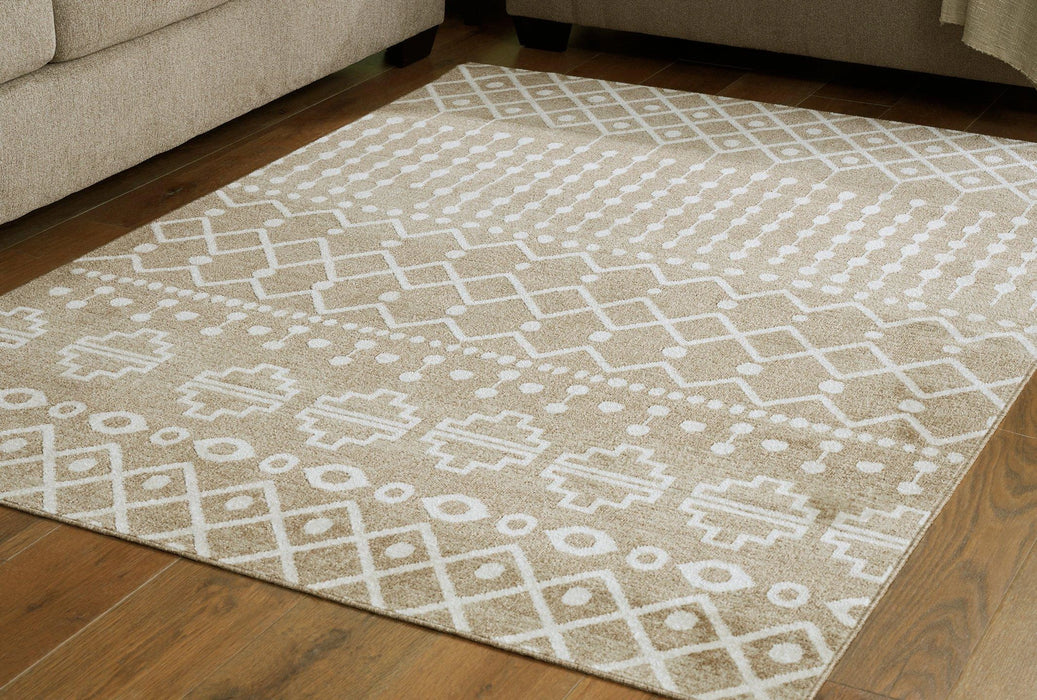
How Do You Measure Your Living Room?
Accurate measurements come before any furniture or rug purchase. Homeowners should record wall lengths first, then note the exact location of windows, doors, outlets, and vents. This prevents oversized pieces from blocking a doorway or crowding a walkway. Main traffic paths need roughly 30 inches of clearance. That figure should guide where a sofa, sectional, or console table can realistically sit.
Once the room's dimensions and fixed features are on paper, the next task is planning furniture placement. Living room furniture should anchor the layout before a rug ever enters the picture. Rather than centering the rug on the room's midpoint, use the arranged seating as the reference point. The geometric center of a space isn't always the best spot for a rug's center.
-
Measure all four wall lengths and jot down the total square footage.
-
Mark the position of every window, door, outlet, and vent on a simple sketch.
-
Block out 30 inches of walking space along main traffic routes.
-
Arrange the furniture layout on paper before shopping for a rug.
-
Check the remaining floor space against standard rug dimensions.
What size rug fits a large living room?
A 10-by-14-foot rug needs a room measuring at least 11.5 by 15.5 feet. That extra space leaves 18 to 36 inches of visible flooring between the rug's edge and the wall, which keeps the room from feeling boxed in.
Should furniture placement come before or after buying a rug?
Furniture placement should come first. Deciding where the sofa, chairs, and tables will sit gives homeowners a practical frame for rug sizing, rather than guessing based on the room's overall footprint alone. This sequence also helps avoid a rug that's too small once the seating group is finalized.
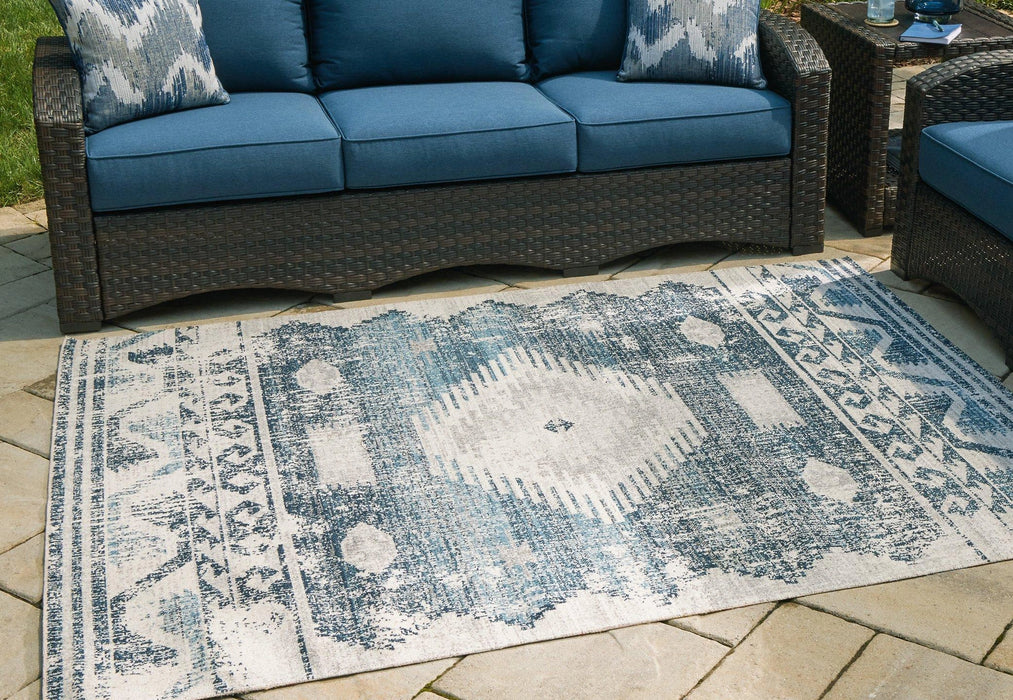
Which Rug Size Fits Your Layout?
Room dimensions determine the correct rug size, not personal preference or budget alone. A 9-by-12-foot rug fits a 12-by-18-foot or larger living room, including open floor plan layouts where multiple seating areas share one continuous space. Undersized rugs leave furniture stranded on bare floor and make a generously proportioned room look pieced together.
Curly's Furniture's living room furniture collection covers the full layout, from anchor seating pieces down to the finishing touches that pull a room together, including the rug underneath it all. Sofas, sectionals, and accent chairs set the room's scale first. Once that scale is established, the rug size follows naturally from the floor space those pieces occupy.
Do I have to buy a whole new set to add a rug?
No. Many living room pieces sell individually, so a new rug slides into an existing arrangement without forcing a full furniture replacement. Homeowners can swap rug sizes as their layout changes, adding a sectional, converting a formal living room into an open floor plan, or simply upgrading finishes, while keeping the seating pieces they already own. Coordinated sets remain available for customers who prefer everything selected together from the start.
How should the rug relate to the furniture footprint?
Measure the seating area before shopping, then match the rug to that footprint rather than the room's total square footage. The table below offers a starting reference:
|
Room Type |
Suggested Rug Size |
|---|---|
|
Standard living room |
Sized to room dimensions below 12'x18' |
|
Large or open floor plan |
9'x12' or larger |
Bring room measurements, including doorway and traffic-path clearances, when visiting the showroom. A sales associate can then match rug proportions to whichever seating pieces anchor the space, ensuring the finished layout reads as intentional rather than assembled piece by piece.
How Should Furniture Legs Rest on the Rug?
Two placement rules govern a proper fit: either the front legs of every seating piece rest on the rug, or the rug sits small enough that no legs touch it at all. Mixing the two approaches creates a visually unstable arrangement. Sofas, chairs, and loveseats need a consistent relationship to the rug beneath them, not a partial one.
Cramming a sofa's front legs onto a rug edge signals the rug runs too small for the room. A properly sized rug leaves room for those legs to rest comfortably, with enough rug surface remaining to visually anchor the piece. Living room furniture grouped this way reads as intentional, not accidental.
Should all furniture legs touch the rug?
For a fully grounded look, every major piece in the seating arrangement- sofa, chairs, and any accent seating- should touch the rug rather than floating on bare floor. This creates visual unity across the whole grouping. A rug that only reaches one or two pieces breaks the sightline and makes the layout look unfinished.
What if the rug can't fit all furniture legs?
Sizing down is the better fallback. A smaller rug placed fully under a coffee table, with no seating legs touching it, still reads as clean and deliberate. That approach beats the alternative: an oversized rug barely reaching the front legs, which crowds the walking space and undercuts the arrangement's balance.
Layout decisions like these get complicated fast once furniture shapes, doorways, and traffic paths enter the picture. Confirming the rug and seating fit works together before purchase avoids an expensive mismatch:
-
Measure the seating group's full footprint, including armrests
-
Note where front legs will land relative to rug edges
-
Decide upfront: full coverage or a smaller, table-only rug
-
Reach out for a second opinion on the layout before buying
How Do You Place a Rug in Any Layout?
Correct rug placement starts with the furniture already in the room, not an empty floor plan. A rug positioned with intention creates cohesion across the layout, softens the acoustics of a hard-surfaced room, and protects flooring from scuffs and wear under heavy seating pieces. Getting this step right changes how the whole room performs, not just how it looks.
Follow these steps for a layout that holds up under daily use:
-
Arrange the living room furniture first, including sofas, chairs, and side tables.
-
Measure the cleared floor space where the rug will sit.
-
Select a rug size that lets the front legs of major seating rest on the rug, or keeps all legs off it entirely, never a partial, awkward overlap.
-
Center the rug on the main seating arrangement rather than the exact center of the room, since those two points rarely match.
-
Adjust placement once furniture is set, checking sightlines from doorways and adjoining rooms.
Does furniture delivery affect rug placement?
Delivery timing matters more than most homeowners expect. Curly's Furniture delivers throughout its local service area and, in most cases, brings furniture inside and places it exactly where requested. That service gives homeowners and decorators a finished furniture layout to test rug positioning against, instead of guessing at spacing before pieces arrive.
Can rug placement really change how a room feels?
Yes. Placement shifts the mood of a living room, working as a subtle Integral part of how the space feels and functions day to day. A rug pulled tight under a seating group reads as grounded and formal. The same rug pushed toward one wall creates an open, casual flow instead. Testing both options after furniture is in place, rather than before, produces a more accurate final layout.
How Much Floor Space Should Show Around It?
Visible floor space between a rug's outer edge. The surrounding walls determine whether a room reads as planned or accidental. A rug does more than fill the gap between a sofa and a chair. It frames the seating area and marks where that area begins and ends. Homeowners furnishing a space with new living room furniture should treat the rug as a boundary line for the room, not an afterthought added once the furniture arrives.
Checking proportions before buying prevents a costly do-over. Follow these steps:
-
Measure the room's full width and length, wall to wall.
-
Mark where each major piece of seating will sit.
-
Subtract the rug's dimensions from the room's dimensions to find the floor space remaining on each side.
-
Compare that margin against adjoining rooms so hallways and open-concept areas flow evenly from one to the next.
-
Adjust the rug size up or down until the margin looks consistent on every side, not just in front of the sofa.
Does an uneven margin really matter?
Yes, a rug that leaves lopsided space around its edges throws off the balance of the whole room, even when the seating itself is arranged well. Uneven floor space pulls the eye toward the mismatch instead of the furniture. Consistent margins on all sides keep attention on the room's design rather than its flaws.
Shoppers unsure which proportions suit their space can contact Curly's Furniture directly for a second opinion before finalizing a purchase. Because a properly sized rug paired with a full seating arrangement represents a real investment, financing on qualifying purchases, often with promotional low- or no-interest terms, helps spread that cost while still getting the room right the first time.
What Rug Sizing Mistakes Should You Avoid?
The most common rug sizing mistake involves buying too small a rug to save money upfront. A living room furniture arrangement built around an undersized rug tends to look disconnected. The savings rarely outweigh the visual cost.
Cheaper rug sizes like 5-by-7 or 6-by-9 tempt many shoppers away from larger 8-by-10 or 9-by-12 options. That instinct backfires. A rug that's too small makes the whole room look chopped up and accidental rather than pulled together. The money spent ends up wasted on a piece that doesn't do its job.
How can shoppers avoid guessing wrong on rug size?
Guesswork is the real enemy here, not the tape measure. Homeowners planning a new layout benefit from a second opinion before finalizing a purchase, rather than committing to dimensions based on assumption alone.
Is it better to see furniture and rug proportions in person?
Photos and online sizing charts only go so far. Seeing pieces side by side in a showroom setting gives a much clearer sense of scale than scrolling through product pages at home.
Streator, Illinois shoppers have a local advantage in this regard. Curly's Furniture, located in Streator, IL, gives area customers a place to walk through rug and furniture proportions in person before committing to a size, which removes much of the uncertainty that leads to costly mistakes.
Common sizing errors to watch for include:
-
Choosing a rug that leaves furniture legs half on, half off the edges
-
Prioritizing a lower price over proper room coverage
-
Skipping measurements of the actual furniture layout before shopping
-
Assuming online dimensions will look the same in a real room
Anyone unsure about proportions has an easy remedy: reach out and ask. A quick conversation beats a returned rug and a re-do of the whole layout.
Where Can You Get Help Choosing Both?
Curly's Furniture guides homeowners and interior decorators through both decisions at once, since living room furniture and area rugs succeed or fail together. A sofa that fits the wall perfectly still looks wrong on a rug sized for a different room. Planning both elements side by side, rather than one after the other, prevents that mismatch before purchase.
Start with the space itself, not the showroom floor. Measuring doorways, hallways, and stairwells ahead of time prevents delivery-day surprises for large furniture pieces and oversized rugs alike. A rug rolled tight still needs clearance to turn a corner, just like a sectional does.
How should color and material choices work together?
Color and material selection should not happen in isolation. Matching color, finish, and scale to existing decor applies to rug selection just as much as it applies to choosing a sofa fabric or table finish. Households with kids or pets benefit from durable, easy-clean materials in both categories, since spills and wear rarely stay confined to just the furniture.
Is a layout sketch really necessary?
A rough sketch settles more arguments than a showroom visit does. Drawing out where each piece will sit, rug included, confirms that finishes and proportions actually work together across the whole room. This step catches scale problems early, before delivery trucks arrive.
Homeowners weighing both choices can work through them in order:
-
Measure the room, doorways, and access points.
-
Sketch furniture placement and rug boundaries together.
-
Match colors, finishes, and materials across both.
-
Contact Curly's Furniture for a second opinion before finalizing.
FAQ
What size rug fits a large living room?
A 10'x14' rug fits a large living room measuring at least 11.5' by 15.5', leaving 18 to 36 inches of visible flooring around the edges for a balanced, grounded look.
How should a rug relate to furniture placement?
Front legs of seating rest on the rug for a cohesive appearance. The rug size should be large enough so no legs touch it, avoiding a cramped or chopped-up look.
Why do smaller rugs like 5x7 or 6x9 not work well?
Smaller rugs create a chopped-up appearance that diminishes room cohesion. Larger 8x10 and 9x12 rugs anchor the living room more effectively despite the higher investment.
Conclusion
In closing, selecting the right rug size for your living room furniture establishes the foundation for a cohesive, well-proportioned space. By considering your room dimensions, furniture layout, and traffic patterns, you create an environment that balances visual harmony with practical functionality. The proper rug anchors your seating arrangement and defines your living area with intentional design. Visit Curly's Furniture in Streator to explore quality options that complement your home's aesthetic and meet your specific spatial needs.
Shop Living Room Furniture at Curly's Furniture Today
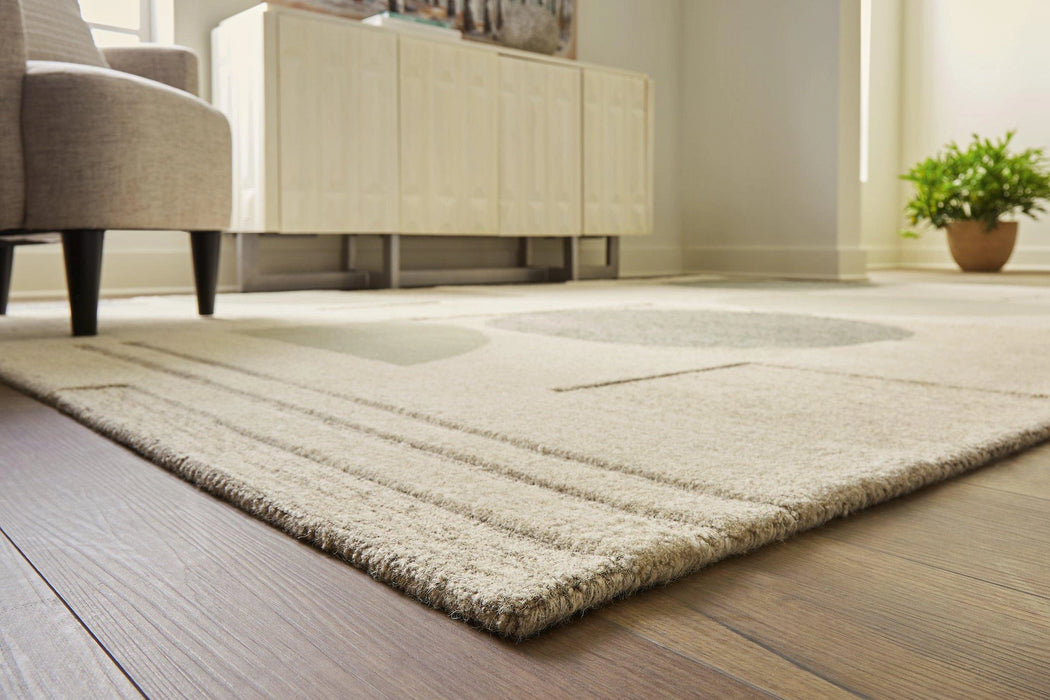
Create a comfortable and welcoming space for relaxing, entertaining, and spending time with family when you shop living room furniture at Curly's Furniture today. The right living room furniture can improve both the comfort and functionality of your home while giving your space a fresh and inviting look. Whether you are looking for sofas, sectionals, recliners, coffee tables, or complete living room sets, there are options to suit different spaces and everyday needs.
Now is the perfect time to refresh your living area with furniture that fits your style and lifestyle. Shop living room furniture at Curly's Furniture today and create a living room that is comfortable, functional, and ready for everyday moments.