
How to Choose Outdoor Furniture for Patios

Selecting patio furniture that lasts beyond a single season requires balancing material durability, comfort, and your specific outdoor space. This guide walks you through measuring your patio, matching materials to your climate, and investing strategically in pieces that deliver years of use.
Quick Answer: How to Choose Patio Furniture Fast
Choosing the right outdoor furniture comes down to five core decisions: measure your space accurately, define how you’ll use it, pick climate-appropriate materials, prioritize comfort, and plan for protection.
For most patios, start with this reliable combination:
-
A durable dining table with 4–6 chairs
-
One lounging zone featuring a chaise or loveseat plus additional seating
-
An umbrella or shade structure for sun protection
Timing matters for your wallet. Shop early spring (March–May 2026) for the widest selection of styles and colors. Wait until late August–October for discounts of 30–50% on remaining inventory.
Quick checklist before you shop:
-
Record patio dimensions in feet or meters
-
List your primary activities (dining, relaxing, entertaining)
-
Note your climate challenges (salt air, snow, intense sun)
-
Set a realistic budget for high-use pieces
-
Check storage space for off-season protection
The sections below expand each step with specific dimensions, material guidance, and maintenance schedules.
Introduction: Turn Your Patio into an Outdoor Room
Your patio, deck, or small balcony can function as a true extension of your home. With the right outdoor furniture, these spaces become morning coffee corners, family dining areas for 4–8 people, or quiet reading nooks with a lounge chair and side table.
This guide focuses on practical, long-lasting choices rather than one-season trends. You’ll learn how to plan your layout, select durable materials for your climate, ensure comfort, protect your investment, and add style that actually holds up. Five images throughout illustrate key concepts from compact balcony setups to winterized storage solutions.
1. Decide How You’ll Use Your Patio
Your use case should drive every purchase decision, not the other way around. Before browsing dining sets or outdoor seating options, identify your primary activities.
Dining-focused patio (4–8 people):
-
Rectangular dining table, matched patio chairs, and an umbrella
-
If you host Sunday dinners for 6, prioritize a proper dining area over an outdoor sofa
Lounge and reading zone:
-
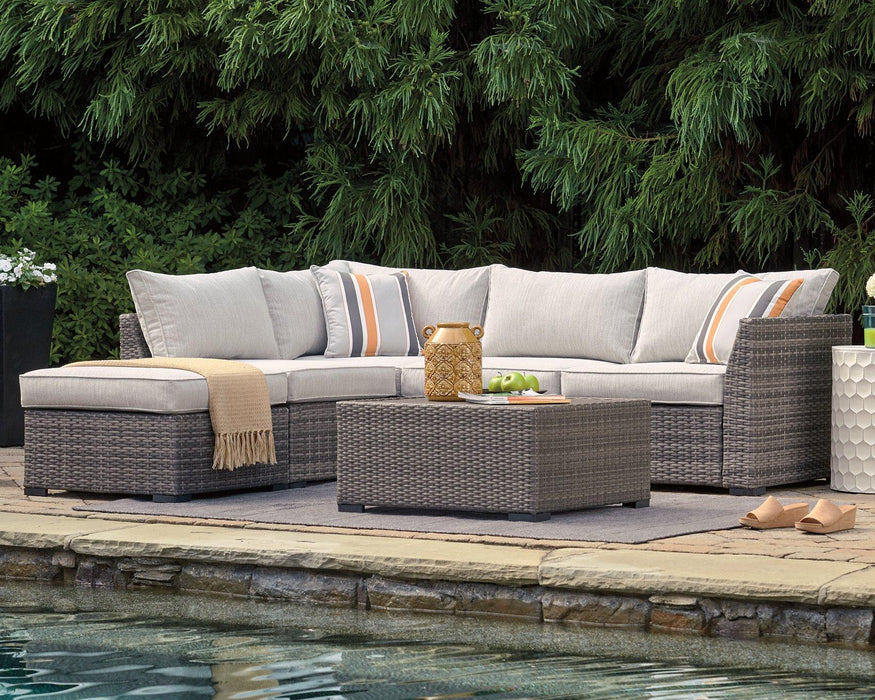
Sectional or loveseat, lounge chairs, and a low coffee table
-
Outdoor rugs to define the space
Entertaining hub (10+ people):
-
Modular seating that reconfigures for different gatherings
-
Side tables distributed throughout, serving cart
Multipurpose small balcony:
-
Bistro sets or narrow benches with foldable chairs
-
Storage benches that serve dual purposes
Write down your activity list: dine 3x weekly, read alone most evenings, host 2–3 parties per summer. This clarity prevents buying pieces that sit unused.
2. Measure Your Space and Plan the Layout
Accurate measurements prevent the frustration of overcrowded patios where chairs can’t pull out properly or walking paths disappear.
Follow this 4-step process:
-
Measure patio length and width in feet or meters
-
Note all doors, steps, grills, and pathway obstructions
-
Sketch a simple top-view layout on paper
-
Test clearances against these minimums before purchasing
Clearance guidelines: | Area | Minimum Clearance | | Walking space behind chairs | 36 in (90 cm) | | Table edge to wall/railing | 24 in (60 cm) | | Between lounge pieces | 30–36 in (75–90 cm) |
Size-appropriate setups:
-
Small balcony (4 ft × 8 ft): Bistro table with 2 chairs or one compact lounge chair plus side table
-
Typical suburban patio (10 ft × 12 ft): Dining table for 4–6, or loveseat with 2 chairs and coffee table
For limited storage space, choose dual-purpose pieces like storage benches, nesting tables, and stackable chairs.

Tips for Small Spaces
Making the most of a small patio, balcony, or compact backyard starts with selecting patio furniture that’s both functional and space-efficient. In tight outdoor spaces, every inch counts, so opt for outdoor furniture that serves multiple purposes and fits your lifestyle.
Bistro sets are a classic choice for small spaces, offering a cozy spot for morning coffee or intimate dining without overwhelming the area. Benches with built-in storage provide extra seating while keeping outdoor cushions, pillows, or accessories neatly tucked away. Look for slim-profile pieces like a narrow coffee table or a compact dining set to keep the space open and inviting.
When selecting patio furniture for small spaces, prioritize high-quality outdoor furniture made from durable materials such as synthetic wicker, teak, or wrought iron. These materials are not only stylish but also weather-resistant, standing up to harsh weather and daily use. Easy maintenance is key; choose outdoor cushions and fabrics that are water-repellent and quick-drying, and protect your investment with fitted furniture covers when not in use. A simple wipe-down with mild soap and water will keep your furniture looking fresh season after season.
To add personality and comfort, layer in outdoor rugs, colorful pillows, and a small umbrella for shade. Accessories in natural tones or classic styles help create a seamless transition between your indoor and outdoor spaces, making your patio feel like a true extension of your home. Even in small areas, these finishing touches can transform your outdoor space into a relaxing retreat for lounging or entertaining.
Always measure your available space before purchasing, ensuring there’s enough room to move comfortably around your furniture. Don’t forget to plan for storage space, stackable chairs, foldable tables, and benches with hidden compartments, which make it easy to protect your patio furniture from the elements during the off-season.
With thoughtful planning and the right outdoor furniture, even the smallest patio or balcony can become a stylish, functional, and durable backyard oasis. Whether you’re enjoying the sun, dining al fresco, or simply relaxing, these tips will help you create an outdoor space you’ll love year-round.
3. Choose Materials That Match Your Climate
The best materials for your outdoor patio furniture depend heavily on local weather conditions. Sun, rain, humidity, wind, and snow each create different demands.
Material families and ideal climates:
|
Material |
Lifespan |
Best For |
Considerations |
|---|---|---|---|
|
Teak and hardwood |
25–50 years |
Coastal, humid areas |
Needs oiling or weathering to gray |
|
Aluminum |
15–20 years |
Rainy climates, pool areas |
Lightweight; may shift in the wind |
|
Steel and wrought iron |
10–25 years |
Windy locations |
Requires rust protection in coastal areas |
|
HDPE/Resin |
20+ years |
All climates |
Virtually zero maintenance |
|
Synthetic wicker |
7–15 years |
Sun and rain exposure |
Quality varies significantly |
When choosing steel or wrought iron furniture, look for rust-resistant coatings or finishes to prevent corrosion and extend the furniture's lifespan, especially in harsh or coastal climates.
Climate scenarios:
-
Coastal with salt air: Choose marine-grade (316) stainless steel, teak, or HDPE lumber. All-weather wicker also performs well if UV-stabilized.
-
Snowy winters with freeze-thaw: HDPE and powder-coated aluminum excel because they don’t absorb moisture.
-
Hot, dry summers: High-quality materials with UV stabilization prevent fading. HDPE features color throughout the material, so scratches barely show.
Apply wood oil or sealant once yearly before winter. Clean with mild soap and water seasonally.

4. Prioritize Comfort and Ergonomics
Comfortable outdoor chairs get used daily. Uncomfortable ones collect dust. Test before buying when possible.
Seating specifications:
-
Seat height: 16–18 in (40–46 cm) suits most adults
-
Deeper seats (over 22 in) work better for lounging and taller people
-
Shallower seats (18–20 in) promote upright posture for dining
Cushion quality indicators:
-
Quick-dry foam core that sheds water immediately
-
Removable covers in UV-resistant fabrics
-
Ties or Velcro straps for windy locations
-
Fade-resistant labels indicating outdoor use
If you can’t test in-store, compare dimensions online to indoor furniture that already feels comfortable at home. Look for supportive back angles, armrests at natural height, and footrests on high stools.

Choosing the Perfect Patio Chairs
Selecting the right patio chairs is essential for creating a comfortable and stylish outdoor seating area that stands up to the elements. Start by considering the style and material that best suits your outdoor space. If you love the timeless appeal of wood furniture, teak is a top choice; it’s naturally resistant to harsh weather and ages beautifully with minimal maintenance. For a more contemporary look, synthetic wicker offers the charm of traditional rattan with added durability and easy upkeep, making it ideal for busy patios.
Metal options like aluminum and wrought iron are also popular for their strength and longevity. Aluminum patio chairs are lightweight, rust resistant, and require little maintenance, while wrought iron provides a classic, sturdy feel, just be sure to choose high quality materials with protective finishes to prevent corrosion. When selecting patio chairs, always consider how much maintenance you’re willing to do; wood may need occasional oiling, while synthetic wicker and metal typically just need a quick clean with mild soap and water.
Comfort is just as important as durability. Look for chairs with ergonomic designs, supportive backs, and the option to add outdoor cushions for extra coziness. Cushions not only enhance comfort but also let you introduce color and style to your outdoor seating. Whether you’re outfitting a spacious patio or a cozy balcony, choosing patio chairs made from high-quality materials ensures your furniture will look great and perform well for years to come, no matter the weather.
Dining and Seating Options
Creating the perfect dining and seating arrangement for your outdoor space starts with understanding your needs and the size of your patio. Dining sets are a popular choice for those who love to entertain or enjoy family meals outdoors. Look for dining sets crafted from durable materials like wood or metal, which can handle exposure to the elements and provide long-lasting style. If your space is limited, bistro sets or compact dining tables with foldable chairs are excellent options; they offer functionality without overwhelming small spaces.
Benches are another versatile seating solution, providing extra spots for guests and often doubling as storage space for outdoor cushions or accessories. For a cozy and inviting atmosphere, mix and match different seating types, such as pairing a dining table with a combination of chairs and benches. Don’t forget to add outdoor cushions and pillows to your seating area; these not only boost comfort but also let you play with color and texture to suit your style.
When planning your outdoor dining area, consider how many people you want to accommodate and how you’ll use the space. For larger gatherings, extendable tables or modular seating can adapt to your needs. In smaller areas, opt for stackable or foldable chairs that can be easily stored when not in use. By thoughtfully selecting dining and seating options made from durable materials and enhanced with comfortable cushions, you’ll create an outdoor space that’s perfect for relaxing, dining, and entertaining all season long.
5. Plan for Weather Protection and Seasonal Storage
Proper protection extends furniture life by years. Weather-resistant materials still benefit from additional care.
Everyday protection:
-
Umbrellas or shade sails reduce UV exposure and fading
-
Pergolas enable year-round porch and deck use
-
Furniture covers sized to fit each piece prevent debris and moisture damage
Off-season strategies:
-
Store outdoor cushions indoors from October to November through early spring
-
Move lightweight metal furniture to the garage, shed, or basement in harsh weather regions
-
Tilt, stack, or secure chairs in windy areas
Maintenance schedule:
-
Light cleaning at the start and end of the season
-
Wood: Apply oil or sealant once yearly
-
Metal: check for rust spots twice per season, address promptly
-
Cover furniture during storms, even in summer
Choose pieces that fold, stack, or disassemble easily if storage space is limited.
6. Style, Color, and Finishing Touches
Style choices should support comfort and durability, not override them.
Practical color strategies:
-
Darker tabletops hide stains better
-
Mid-tone natural tones for sofas and chairs reduce visible dirt
-
Brighter accent colors for pillows, lanterns, and planters
Layering elements:
-
Outdoor rugs rated for garden and patio use define zones
-
Planters with seasonal flowers soften hard edges
-
String lights or solar lanterns add evening ambiance
Tie the look together by repeating 1–2 colors and one material across pieces. Smaller accessories like pillows and rattan accents are easiest to swap when tastes change. This approach creates a stylish, classic backyard room without requiring complete replacement.
Adding Decorative Elements
Enhancing your outdoor space with decorative elements is the key to creating a warm, inviting, and personalized atmosphere. Start by defining your seating or dining areas with outdoor rugs made from weather-resistant, durable materials like synthetic fibers or natural options such as sisal or jute. These rugs not only add color and texture but also help anchor your furniture and create a cohesive look.
Incorporate accessories such as planters, vases, or sculptures to introduce visual interest and reflect your personal style. Choose weather-resistant planters and fill them with lush greenery or vibrant flowers to bring a touch of the garden right onto your patio. Outdoor lighting, such as string lights, lanterns, or solar-powered fixtures, can transform your space into a cozy retreat for evening gatherings.
Don’t overlook the power of small details; outdoor pillows, decorative trays, and unique garden accessories can all contribute to a stylish and comfortable environment. By layering these decorative elements, you’ll create an outdoor space that feels like a true extension of your home, ready for relaxing, entertaining, or simply enjoying the beauty of the outdoors.
7. Budget, Quality, and Longevity
Spending strategically matters more than simply spending more.
Invest most in:
-
Frequently used seating (sectionals, dining chairs)
-
Main tables that see daily use and sun exposure
Save on:
-
Accent tables and benches
-
Decorative accessories (pillows, lanterns, planters)
Lifespan expectations:
-
High quality outdoor furniture (wood, metal): 10–15+ years
-
Mid-range sets: 5–10 years
-
Lightweight plastic: 1–3 seasons
Quality indicators to check:
-
Solid, even welds on metal without gaps
-
Smooth, sanded edges on wood furniture
-
Tight, snug weaves on wicker
-
Strong stitching on cushions with fade-resistant fabric labels
Balance upfront cost with how often you’ll use the patio from spring through fall each year.
Making a Decision: Narrowing Down Your Options
Choosing the right outdoor furniture for your patio, porch, or deck is all about balancing your needs, style, and the realities of your outdoor space. Start by reviewing how you plan to use your backyard. Will it be a spot for lively dining, quiet lounging, or weekend entertaining? Your answer will help you focus on the types of patio chairs, outdoor seating, and tables that best suit your lifestyle.
Next, consider the size and layout of your space. Measure carefully to ensure your chosen furniture fits comfortably, leaving enough room to move around and enjoy the area without feeling cramped. High-quality outdoor furniture should enhance your outdoor room, not overwhelm it.
Material selection is key for both durability and easy maintenance. Teak, aluminum, and synthetic wicker are popular choices for their weather resistance and long-lasting appeal. If you want furniture that stands up to the elements with minimal upkeep, look for rust-resistant finishes and fabrics designed for outdoor use. Synthetic wicker and aluminum offer lightweight, durable options that are easy to clean; just a quick wipe with mild soap keeps them looking fresh.
Don’t forget to prioritize comfort and style. Test out patio chairs and seating if possible, or compare dimensions to your favorite indoor pieces. Choose cushions and accessories in colors and textures that reflect your personal taste and create a welcoming atmosphere.
Finally, think about how your furniture will hold up over time. Opt for high-quality outdoor furniture made from durable materials to ensure your investment lasts through many seasons. By carefully considering your needs, space, and maintenance preferences, you’ll be able to select outdoor furniture that not only looks great but also creates a functional, relaxing retreat in your backyard or on your deck. With the right plan, you can create an outdoor space that’s perfect for dining, lounging, and making memories for years to come.
Frequently Asked Questions About Choosing Patio Furniture
What’s the most durable outdoor furniture material? Teak leads with a lifespan of 25–50 years, followed by HDPE at 20+ years and quality aluminum at 15–20 years. For coastal areas, marine-grade stainless steel or teak handles salt air best. Snowy climates suit HDPE and powder-coated aluminum.
When is the best time of year to buy patio furniture? New inventory arrives February–April 2026 with peak selection. Discounts of 30–50% typically appear late August through October as retailers clear summer stock. Trade-off: limited selection during discount periods.
Can I leave outdoor cushions outside all year? Water-resistant cushions tolerate rain but aren’t fully waterproof. Store them indoors from late autumn through early spring to prevent mold, mildew, and material degradation.
What furniture works best for small patios or balconies? Bistro sets, folding chairs, narrow benches with storage, and nesting tables maximize limited space. Pieces that stack or fold flat eliminate storage challenges.
How do I keep outdoor furniture looking good for more than one season? Clean with mild soap seasonally, use furniture covers during storms and off-season, store cushions indoors during winter, and address rust spots promptly. Easy maintenance habits compound into years of extended life.
Buy Outdoor Furniture from Curly's Furniture Today.
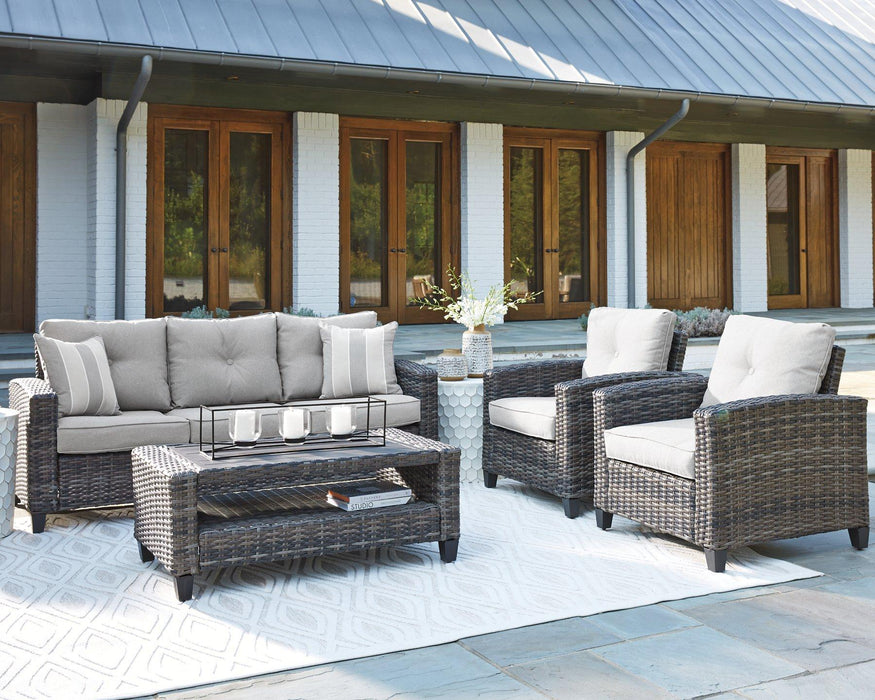
Transform your backyard, patio, or deck with outdoor furniture from Curly's Furniture today. With durable, stylish, and comfortable options, you can create an outdoor space perfect for relaxing, entertaining, or enjoying time with family and friends. Curly's Furniture makes it easy to design a functional and inviting outdoor area that fits your lifestyle.
Don’t wait to refresh your outdoor setup. Buy outdoor furniture from Curly's Furniture now and turn your patio or backyard into a place where comfort, style, and memorable moments come together.