
How to Choose Dining Room Furniture for Daily Use
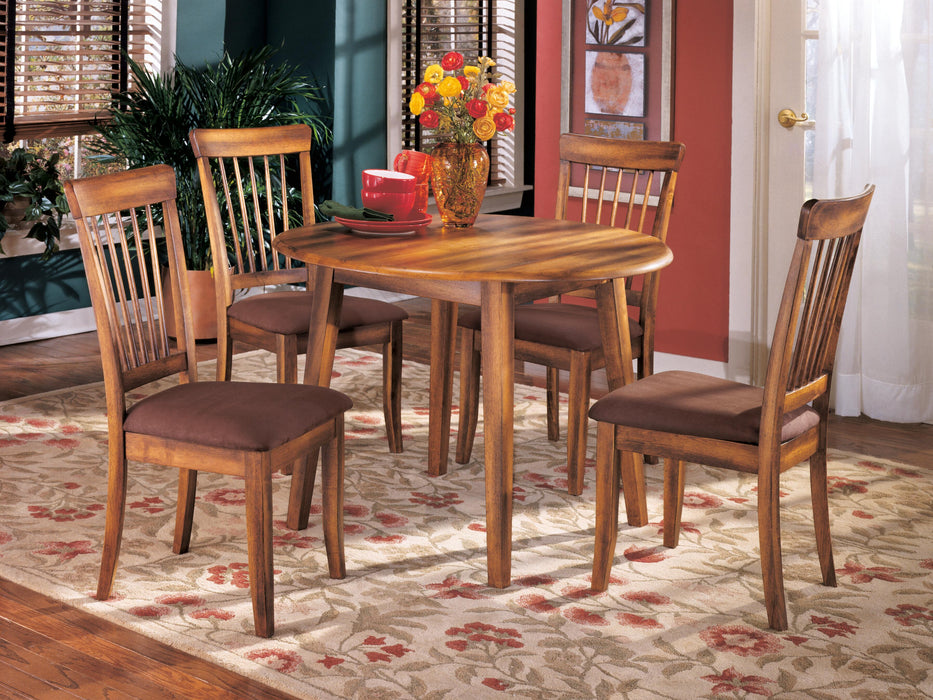
Your dining table isn’t just for Sunday dinners anymore. It handles breakfast at 7:00 a.m., kids’ homework at 4:00 p.m., remote work sessions in between, and casual dinners at 8:00 p.m., often all in the same spot. This guide focuses on choosing the right dining room furniture that survives real everyday life rather than sitting pretty for occasional dinner parties.
By the end, you’ll know how to navigate the main decisions: table size and shape, chair comfort, materials that handle spills, smart storage, and layouts that work for your dining space. The goal is furniture that earns its place in your home for the next 5–10 years, through holiday feasts and ordinary Tuesdays alike.
Step 1: Measure Your Dining Area and Plan Daily Traffic
Correct measurements are the fastest way to avoid furniture regret. Before browsing options, grab a tape measure and document your dining room dimensions.
Start by measuring the room’s length and width, then note every fixed element that affects furniture placement:
-
Doors and their swing direction
-
Windows and radiators along walls
-
Primary walkways to kitchens, stairs, or balconies
-
Existing furniture that will stay in place
The critical rule for everyday comfort is maintaining at least three feet (about 36 inches or 90 cm) of clearance from the table edge to walls or nearby furniture. This allows chairs to slide back smoothly without hitting obstacles during breakfast rushes or homework setups.
Here’s a practical trick: tape out the footprint of a potential table on your floor using masking tape. Try a 72” × 36” rectangle or a 48” round to simulate real movement. Walk around it during your normal daily routines to test traffic flow.
For apartments under 900 square feet, prioritize circulation paths you use multiple times daily. Routes between the kitchen, sofa, and main entry should remain clear. In open-plan layouts, your dining set should never block the natural flow between living zones.
Small spaces can feel 20–30% smaller psychologically when furniture crowds the walking path, so measure twice, buy once.

Step 2: Determine Your Ideal Seating Capacity for Daily Life
Before you fall in love with a dining table, take a moment to think about how many people actually gather around it on a typical day. The right dining room furniture isn’t just about filling a space; it’s about creating a dining experience that fits your lifestyle, whether you’re sharing everyday meals with family, hosting dinner parties, or using your dining space as a multifunctional hub.
Start by counting the number of people who use the dining table daily. Is it just you and a partner, a bustling family of five, or do you often have friends or relatives dropping by? Your ideal seating capacity should reflect your real needs, not just the maximum number you might host once a year. For smaller households, a compact square dining table or a petite rectangular table with two to four chairs may be all you need. Larger families, or those who love to entertain, might prefer a rectangular table or an extendable dining table that can comfortably seat six to eight people, or more for special occasions.
Next, consider how your dining room’s shape and available floor space influence your options. In square rooms, square dining tables create a balanced, harmonious feel, while round and oval tables are perfect for making the most of tight corners or breakfast nooks. Rectangular tables are ideal for longer rooms, offering ample space for both daily meals and extra guests when needed. No matter the shape, always leave at least three feet of floor space between the table edge and any walls or other room furniture. This ensures everyone can move around easily, pull out chairs, and enjoy the entire dining experience without feeling cramped.
Don’t forget to factor in the style and comfort of your dining table and chairs. Upholstered chairs add a touch of elegance and make lingering over meals more inviting, while wooden chairs offer a timeless, casual vibe that’s easy to maintain. The right combination of table and chairs can transform your dining area from a simple eating spot into the focal point of your home.
Ultimately, choosing the right dining room furniture is about finding the perfect match between your daily routine, your space, and your personal style. By thoughtfully considering your ideal seating capacity and how it fits within your dining room, you’ll create a space that feels welcoming, functional, and ready for everything from everyday breakfasts to elegant dinner parties.
Step 2: Choose a Table Shape That Fits Your Room and Routine
Table shapes directly affect both seating capacity and how the entire dining experience feels. A round dining table encourages intimate conversation, while a rectangular table supports multitasking across different zones.
When considering how to choose dining room furniture for daily use, it's important to think about dining table style, how the table’s shape and design fit your lifestyle, complement your décor, and create a harmonious look in your dining area.
Most homes used daily work best with rectangular or round tables, though square dining tables and oval tables solve specific layout challenges. A rectangular dining table is ideal for long rooms and can accommodate more guests, while round tables are better for smaller spaces and promote conversation. Let’s break down each shape with real-world scenarios for families, couples, and remote workers.
Rectangular Tables for Busy Households
The rectangular table remains the most versatile option for rooms longer than they are wide. It’s the workhorse of everyday dining.
For families of four to six, a table measuring 60”–72” long handles everyday meals comfortably. Only go larger (84”–96”) if your rectangular room is at least 12 feet long; otherwise, the space feels cramped.
Rectangular shapes excel at multitasking:
-
One end for laptop work, while the other holds snacks and crafts
-
Easy to designate zones for different family members
-
Natural head-of-table positions for parents or hosts
Look for designs with simple corner legs or recessed trestle bases. These allow chairs to tuck fully in, maximizing floor space when the table isn’t in use. They also provide enough room for taller individuals who need extra legroom.
An extendable dining table is smart if you host larger gatherings 3–6 times yearly, but don’t want daily bulk. Extension tables with leaves store compactly for weeknight dinners and expand for special occasions.
Square Tables for Compact, Social Spaces
A square table works beautifully when your dining area is roughly square, think a 9’ × 9’ breakfast nook or corner of a studio apartment.
Size recommendations for square rooms:
-
36”–42” sides: seats two to four people for intimate, face-to-face daily meals
-
42”–48” sides: fits four comfortably, but starts feeling crowded at six
-
Over 48” sides: makes reaching center dishes difficult during everyday meals
Square tables double as work surfaces or card-game tables in small spaces. Choose chairs that slide completely underneath to minimize the footprint when not in use.
The shape creates natural equality around the table; everyone sits at the same distance from the center, making conversation easy during quick weeknight dinners.
Round Tables for Conversation and Small Rooms
Round and oval tables eliminate sharp edges, making them excellent for tight corners where traffic flow is critical. A round table removes collision points from daily paths.
Practical sizing for round tables:
-
36”–44” diameter: comfortably seats four for daily use
-
48” diameter: accommodates four to six
-
54”–60” diameter: requires ample space and full clearance all around
A pedestal base makes round tables even more flexible. Without corner legs, you can squeeze in a fifth chair for an unexpected guest without anyone bumping knees.
Round tables work especially well in apartments where the dining space sits between the kitchen and living area. They become a natural gathering place that supports easy conversation from any angle.
Oval Tables for Flexible, Family-Friendly Use
Oval tables split the difference between rectangular seating capacity and round table circulation benefits. The rounded corners soften narrow room pathways.
An oval measuring 72” × 42” realistically seats six daily and expands to eight on weekends. This makes them ideal dining table shapes for families that regularly host extended family dinners.
In narrow rooms, ovals reduce the tunnel-like feeling that long rectangular tables can create. The rounded edges maintain traffic flow while still providing substantial surface area for homework, crafts, and meals.
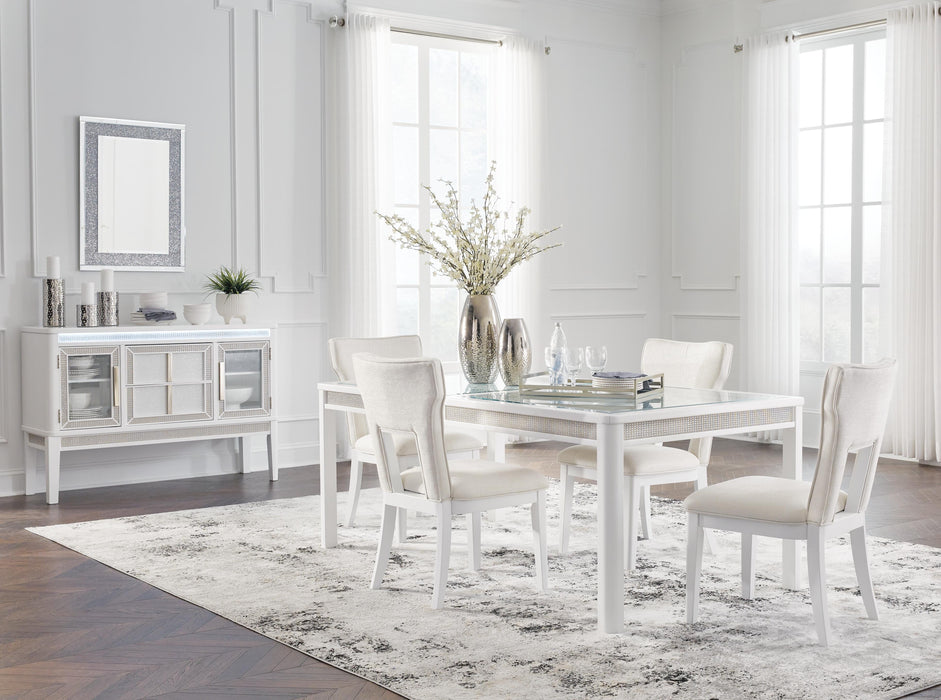
Step 3: Pick Everyday-Friendly Materials and Finishes
Material choice determines your daily cleaning burden, scratch resistance, and how forgiving the table top is to kids, pets, and laptops. For heavy everyday use, choose surfaces that hide minor wear from day one.
The best dining table materials balance durability with maintenance demands. Here’s what actually works in a multifunctional space.
Solid Wood and Veneer: Warmth and Everyday Durability
A solid wood dining room table remains the gold standard for daily use. Species like oak, ash, and maple are resilient enough to handle years of family meals and can be refinished if scratched.
Key considerations for wood:
-
Matte or lightly textured finishes hide fingerprints, crumbs, and minor wear better than glossy lacquers
-
Oak veneer over engineered wood offers stability at a lower cost, but limits deep repairs
-
Wood tables suit families who eat at the table most nights without fussing over every mark
For constant laptop work, use placemats with veneer surfaces; heat from electronics can damage thinner top layers over time. A proper wood table can handle tomato sauce spills and coffee rings if wiped promptly.
Ceramic, Stone-Look, and Composite Tops
Ceramic and stone-look composite surfaces excel in heat resistance. They shrug off hot pots, mugs, and baking dishes without damage.
These tops work well for:
-
Households with craft supplies and markers at the table
-
Remote workers with laptops generating heat
-
Busy families who need low-maintenance surfaces
Check the manufacturer's care instructions about sealing requirements. Lighter colors demand prompt spill wiping to prevent stains, especially from tomato-based sauces or red wine.
Ceramic tops typically pair with metal or wood bases. Consider how your dining chairs will coordinate with these base materials when building your dining set.
Glass and Metal for Light, Easy-Clean Spaces
Glass top tables visually lighten small rooms and wipe clean effortlessly after everyday meals. However, they show fingerprints and smudges quickly, demanding frequent cleaning.
Glass and metal recommendations:
-
Choose tempered glass for safety in homes with children or frequent guests
-
Metal frames with powder coating withstand daily chair knocks
-
Slim legs and airy designs keep the room feeling spacious
These combinations work well for modern apartments where the new dining table doubles as a work desk. The trade-off is visibility; every water ring and fingerprint shows immediately.
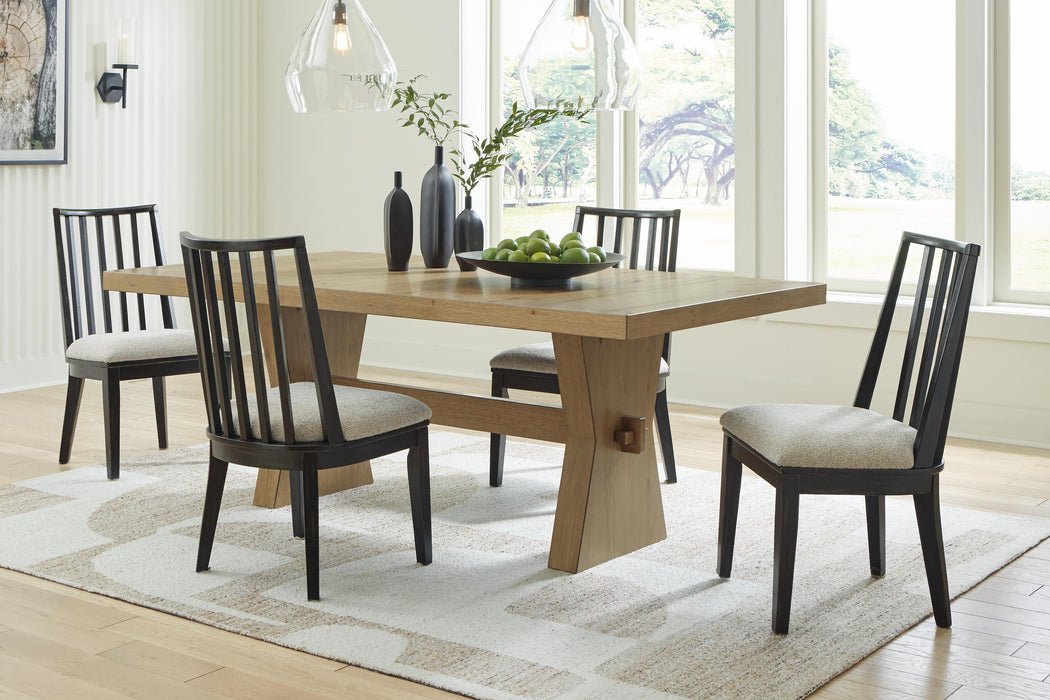
Step 4: Choose Comfortable, Practical Seating for Everyday Use
For daily use, chairs matter as much as the table. They affect posture, comfort, and how long family members actually want to sit together.
Standard ergonomic guidelines apply: pair a dining room table height of 28”–30” with seat height around 17”–19”, leaving 10”–12” of leg clearance underneath.
Seating options include:
-
Fully upholstered chairs: best for long work sessions and elegant dinner parties
-
Wooden chairs or metal chairs with pads: easier to wipe clean, good for families with kids
-
Benches: fit more people along rectangular sides and slide under when not in use
Test seat depth and back support in-store when possible, especially if you plan multi-hour work sessions. Consider real-life needs: grandparents may prefer armchairs at table ends, while kids benefit from wipeable seat surfaces.
Dining Chairs for Daily Meals and Work Sessions
Everyday dining chairs should support both 20-minute breakfasts and 2-hour laptop sessions without causing back strain. This eliminates flimsy designs that look good but fail functionally.
What to look for:
-
Medium-firm seat cushions that resist sagging after months of use
-
Breathable fabrics or leather-look materials (avoid sticky vinyl in warm climates)
-
Proper distance from floor to seat top, measure against table aprons to avoid knees bumping hardware
A perfect match between chair and table height prevents the posture problems that make everyday life uncomfortable. Aim for at least 23–24 inches of table length per person for comfortable elbow room during meals.
Benches, Stools, and Flexible Seating
Benches offer space-saving benefits for families. A bench along one side of a rectangular table can comfortably fit more kids than individual chairs, while sliding completely under when not in use.
Flexible seating considerations:
-
Backless benches suit quick meals but fail for extended work or homework sessions
-
Keep 1–2 stacking or folding chairs nearby for visitors in storage-limited apartments
-
Stools with footrests match counter-height setups, and confirm the correct seat height for your counter
For breakfast nooks, consider pairing chairs with a small bench to maximize seating options without cluttering the space.
Step 5: Match Furniture Style to Your Home and Lifestyle
Style influences how relaxed or formal your dining area feels in everyday life, not just how it photographs. Considering your dining style, how you use the space daily, your formality preferences, and your overall home decor helps determine the most appropriate type of dining table for your needs. The ideal dining table should feel welcoming on a Tuesday night, not just when hosting guests.
Clear style families include:
-
Modern/minimal: clean lines, slim legs, neutral colors
-
Rustic/farmhouse: warm woods, visible grain, sturdy construction
-
Mid-century: tapered legs, organic shapes, retro influences
-
Transitional: classic shapes with clean details
Choose a “hero piece” (usually the dining table) first, then select chairs and storage that echo one or two details, leg shape, wood tone, or metal finish. Interior designers call this creating “visual dialogue” between pieces.
Coordinated vs. Mixed-and-Matched Sets
Buying complete dining room sets is fast and safe, but they can feel flat or overly formal for everyday living. A formal dining room might benefit from matching pieces, but casual spaces often feel more lived-in with variety.
Mixing successfully requires keeping one element consistent:
-
Light wood table plus darker wood or black chairs
-
Neutral table plus colorful fabric upholstered chairs at the ends
-
Same metal finish across the table base and chair frames
Mixed approaches help if you upgrade pieces gradually over several years rather than all at once. A 2024 table can pair beautifully with 2026 chairs if you maintain material or color connections.
Aligning with Modern, Rustic, or Transitional Interiors
Modern style dining furniture features clean lines, slim legs, and neutral colors. These pieces work well with open-plan apartments and large windows where visual lightness matters.
Rustic or farmhouse pieces usually come in warm woods with visible grain. Their sturdy construction hides everyday scuffs naturally, suiting households that prioritize relaxed comfort over pristine surfaces.
Transitional style blends classic shapes with clean details, accommodating homes with both older and newer furniture. Echo existing finishes: repeat the same wood tone as a media console or the black metal of a floor lamp to create balanced proportions throughout connected rooms.
Step 6: Plan for Storage, Lighting, and Long-Term Durability
Dining rooms used daily benefit from smart storage, proper lighting, and robust construction. These elements transform a basic dining table and chairs into a fully functional zone.
Storage pieces like sideboards and buffets hold plates, cutlery, and everyday table linens within arm’s reach. Overhead lighting should illuminate the table for homework and reading while offering dimmer options for dinner ambiance.
Check construction details carefully: joinery quality, leg attachments, and weight capacity determine whether your dining room furniture survives years of daily movement and occasional home moves. Well-built sets last 10–15 years under heavy use, while cheaper alternatives may fail within five.
Sideboards, Cabinets, and Everyday Storage
A sideboard along a free wall stores items used daily, plates, glasses, and cutlery, reducing trips to the kitchen during meals.
Storage features to prioritize:
-
A combination of doors and drawers to hide clutter while keeping napkins and placemats accessible
-
Adjustable shelves that adapt over time as dishware needs change
-
Balanced proportions that complement your table without overwhelming the room
In small dining zones, narrow console tables or open shelves provide enough space for essentials without feeling heavy. Even in a multifunctional space, dedicated storage makes daily routines smoother.
Lighting and Maintenance for Daily Use
Pendant or linear lighting centered over the table provides even illumination for reading and eating without blocking sightlines. Hang fixtures at appropriate heights, low enough to define the focal point, high enough to maintain conversation across the table.
Daily care extends furniture life:
-
Use dimmers to transition from bright homework tasks to softer evening meals
-
Wipe surfaces daily to prevent buildup
-
Check chair screws weekly and tighten table hardware seasonally
-
Apply felt pads under chair legs and table feet to protect floors from daily movement
These routines take minutes but protect your investment through years of everyday use.
Conclusion: Create a Dining Space that Works Hard Every Day
Choosing the right dining table and chairs comes down to practical decisions: measure carefully, pick shapes that match your room and routine, select durable materials, prioritize chair comfort, and plan storage and lighting for daily life.
The best dining table isn’t the one that impresses guests at holiday feasts; it’s the one that feels comfortable and practical when you’re eating cereal on a Wednesday morning or helping with homework on a Thursday afternoon. Your right dining room furniture should handle whatever everyday life throws at it.
Invest in pieces that suit your 2026 lifestyle while anticipating changes over the next decade. Kids grow. Remote work patterns shift. You might move homes. Quality furniture adapts to these transitions.
Use this guide as your checklist before visiting showrooms or ordering online. Measure twice, test chairs in person when possible, and choose materials that forgive daily wear. When every piece earns its place in your everyday life, your dining room becomes more than a room; it becomes the heart of your home.
Buy Dining Room Furniture at Curly's Furniture Today

Upgrade your dining space with dining room furniture at Curly's Furniture today and create a comfortable place for everyday meals, family gatherings, and special occasions. The right dining table, chairs, and storage pieces can make your dining room more functional while also making the space feel more welcoming and organized. Curly's Furniture offers dining room furniture designed to fit both small dining areas and larger gathering spaces.
Now is the perfect time to refresh your dining area. Buy dining room furniture at Curly's Furniture now and create a space where you can e